Salvaged Pages — 10 Books I’d Save in a Fire (or a Flood)

The common reader, as Dr. Johnson implies, differs from the critic and the scholar . . . He reads for his own pleasure rather than to impart knowledge or correct the opinions of others.  Virginia Woolf, The Common Reader (1925); one of the books I’d save in a fire.
IMG_0014Earlier this week, a pipe burst at Lake Forest Book Store and within minutes, the entire basement was flooded and thousands of books were ruined. Certainly this was a catastrophe, but the store has insurance and the books can be replaced. Right before this happened, my colleague and I were chuckling over “Planning for Natural Disasters”,  one of the seminars offered at the upcoming American Booksellers Association Winter Institute: Why would anyone go to that, we wondered, when there are fascinating alternatives like “Sad and Dark YA Literature”? Now we know.

The flood made me think about what books I would try to save if there were a fire or flood in my house. (I’m not speaking literally, you realize! If there’s REALLY an emergency, I will not be standing in front of my bookshelves wondering which books to take. This is an academic question, like “If you could only take one book to a desert island, which one would you choose?”) Which books would I miss the most? Which ones can’t be replaced? Not many, it turns out. Most of the books I own would be easy to replace. I’d be sad to lose my signed ARCs from author events and trade shows, but those wouldn’t be the ones I’d grab on the way out the door.

The books I would want to save are books that belonged to me as a child, or to my parents and grandparents.  Many are long out of print. Just looking at their covers takes me right back to my childhood. They are falling apart, with loose pages, broken spines, and missing dust jackets.

Peter Pan by J.M. Barrie This version (1910) belonged to my grandmother, who was born in 1904.
Peter Pan by J.M. Barrie
This version (1910) belonged to my grandmother, who was born in 1904.
1 x 1 by e.e. cummings My grandmother was in the habit of writing to authors she admired, and a postcard thanking her for her fan letter is in the book.
1 x 1 by e.e. cummings
My grandmother was in the habit of writing to authors she admired, and a postcard thanking her for her fan letter is in the book. Think it’s worth anything?


James and the Giant Peach by Roald Dahl My aunt was kind enough to give me a lovely inscribed book, and I took a marker and corrected her spelling of "niece".
James and the Giant Peach by Roald Dahl
My aunt was kind enough to give me a lovely inscribed book, and I took a marker and corrected her spelling of “niece”. Not very nice!
The Bounty Trilogy by Charles Nordhoff and James Hall I reread these 3 books (all in one volume) over and over again.
The Bounty Trilogy by Charles Nordhoff and James Hall
I reread these 3 books (all in one volume) over and over.
The Common Reader by Virginia Woolf My grandmother (born in 1908) apparently received this book when she was 20, and years later added a bookplate with her new married name. I used this for research on my honors thesis when I was 20.
The Common Reader by Virginia Woolf
My grandmother (born in 1908) apparently received this book when she was 20, and years later added a bookplate with her new married name. I used this for research on my honors thesis when I was 20.
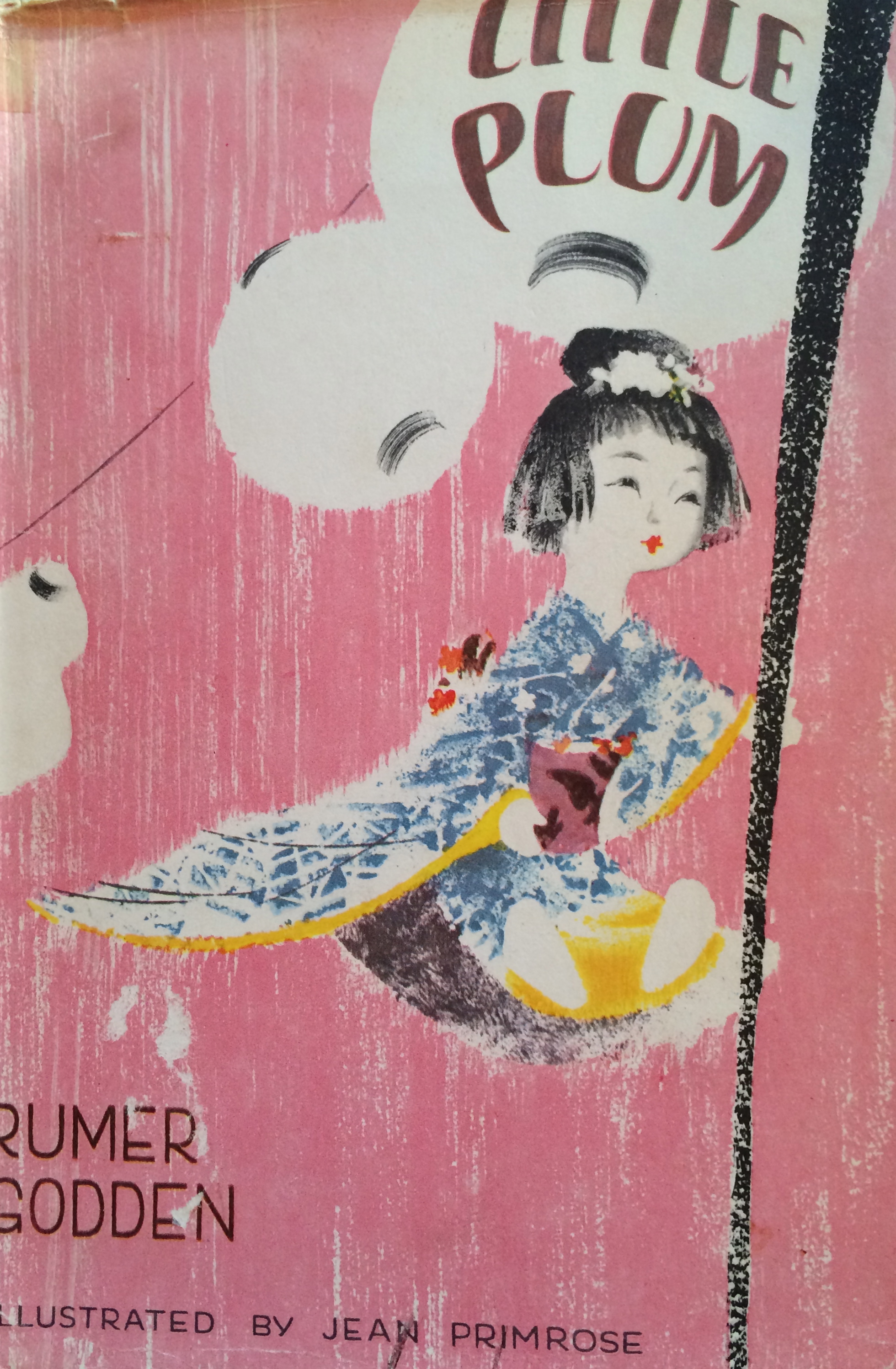
Little Plum by Rumer Godden A wonderful story about a lonely little girl and a Japanese dollhouse . . . so sad it's no longer in print.
Little Plum by Rumer Godden
A wonderful story about a lonely little girl and a Japanese dollhouse . . . so sad it’s no longer in print.
The Fabulous Flight by Robert Lawson I tracked this book down on Ebay -- it was a childhood favorite that I borrowed from the library again and again.
The Fabulous Flight by Robert Lawson
I tracked this book down on Ebay — it was a childhood favorite that I borrowed from the library again and again.
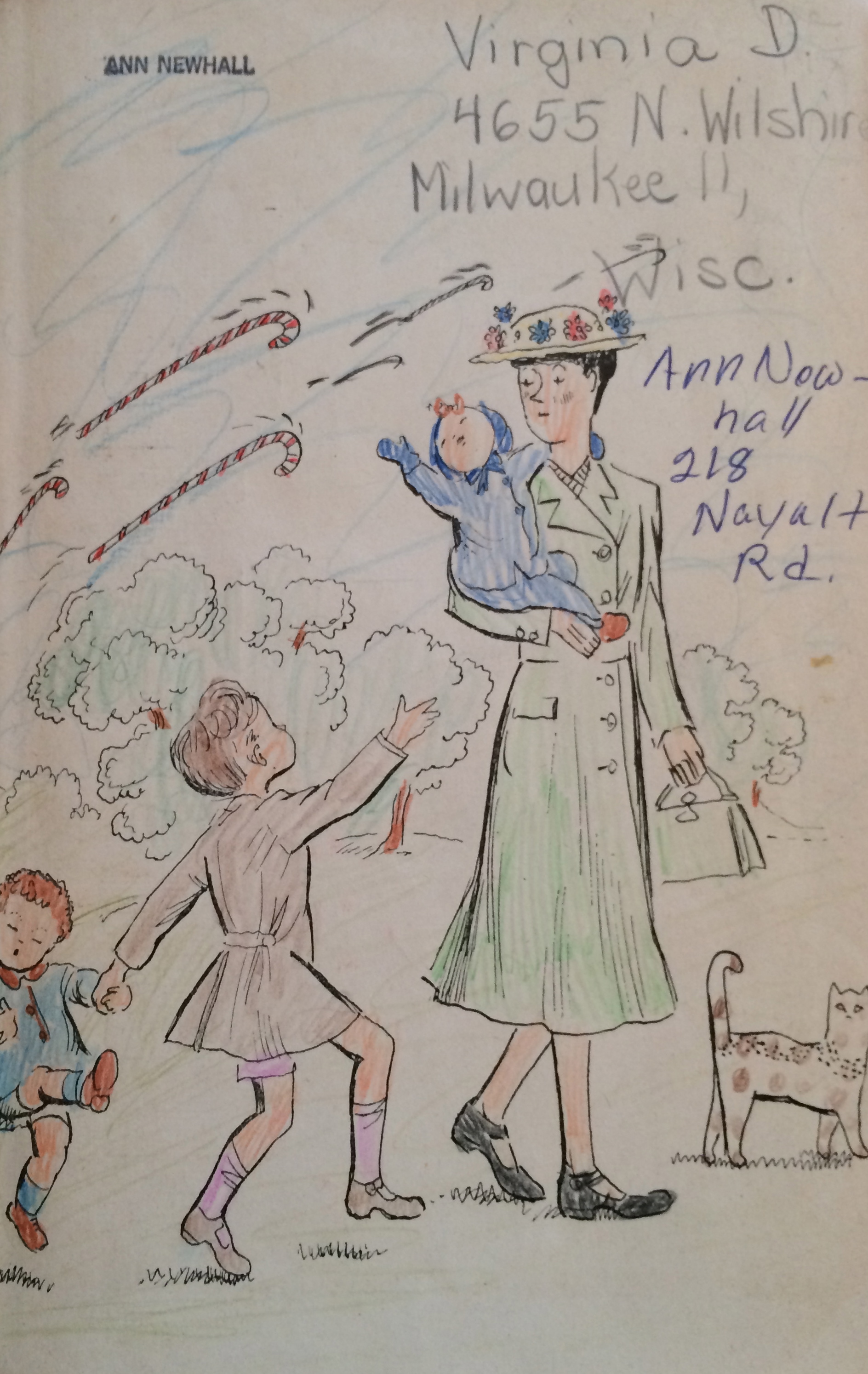
Mary Poppins Opens the Door by P.L. Travers Originally my mother's, I added my name and address. I don't know who colored the illustrations!
Mary Poppins Opens the Door by P.L. Travers
Originally my mother’s, I added my name and address. I don’t know who colored the illustrations!
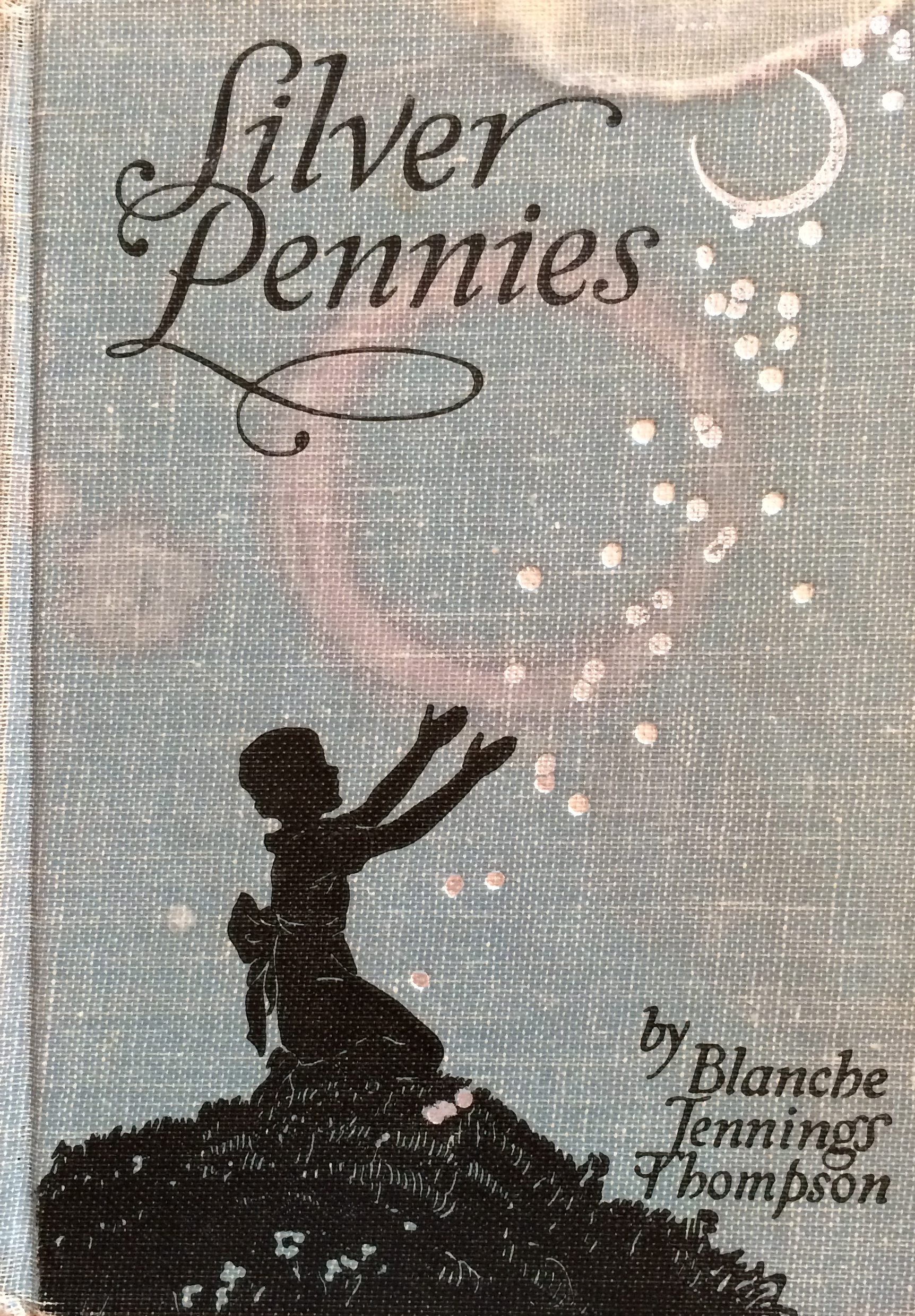
Silver Pennies My mother gave me this lovely little book of poems when I was five, and I circled the poems I liked and crossed out the ones I didn't.
Silver Pennies
My mother gave me this lovely little book of poems when I was five, and I circled the poems I liked and crossed out the ones I didn’t.
The Lonely Doll Learns a Lesson by Dare Wright Apparently some people find the Lonely Doll books creepy; I would never give up my  collection.
The Lonely Doll Learns a Lesson by Dare Wright
Apparently some people find the Lonely Doll books creepy; I would never give up my collection.

IMG_0011I asked my friends and colleagues which books they treasure most, and received some interesting responses.

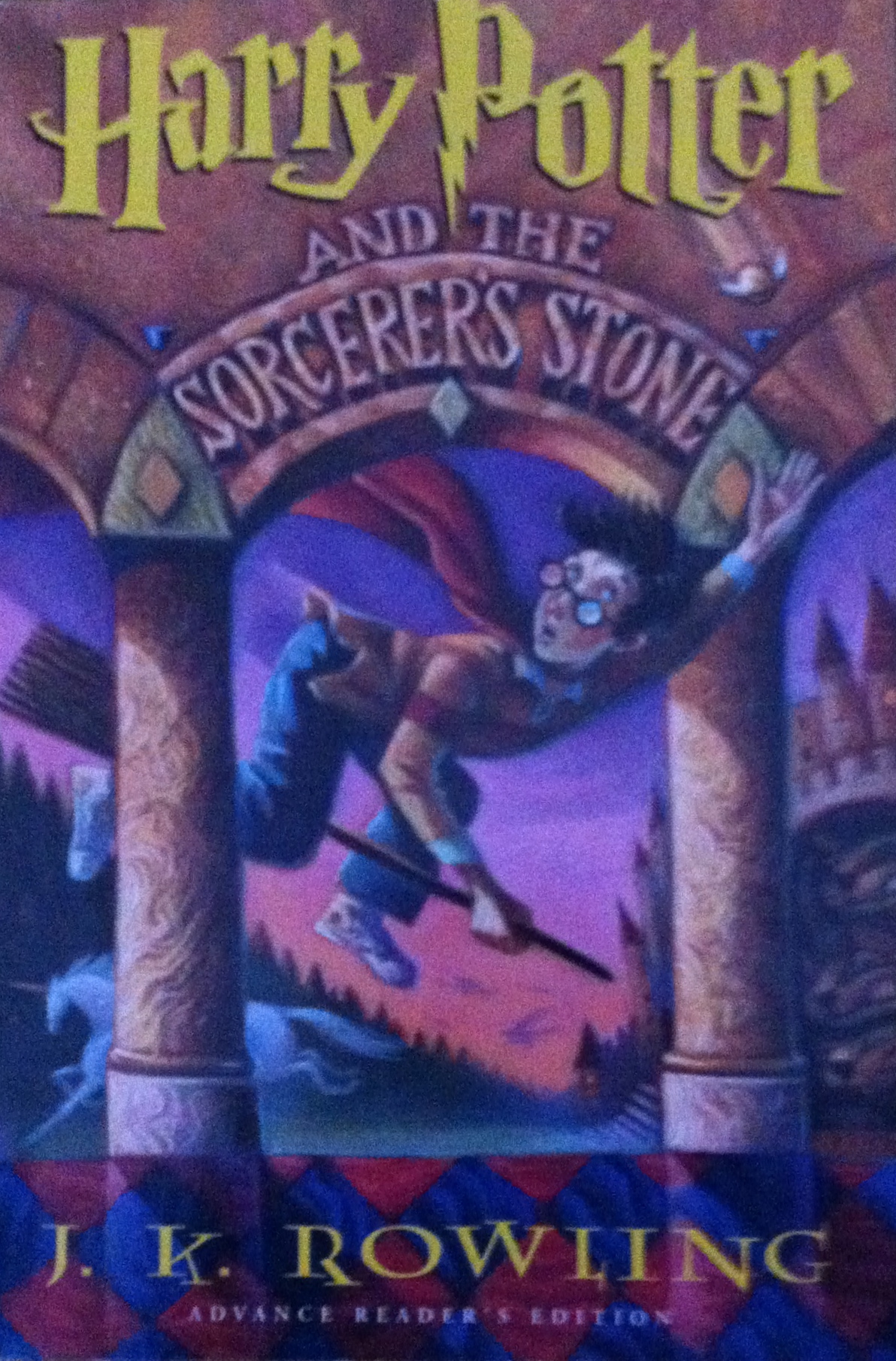
Sue chose her ARC of Harry Potter and the Sorcerer’s Stone, which she remembers reading on her porch to her family while on vacation in Michigan . . . she recalls her husband asking her not to read any more unless he was there! She could tell it was a classic from the first page. Molly is still sad she lost her inscribed copies of Laura Ingalls Wilder’s Littlephoto 1 House series, but still has a copy of Kahlil Gibran’s The Prophet, given to her by a beloved teacher and mentor 30 years ago. Ann is most attached to her copy of The Secret Garden, signed by Tasha Tudor, as well as “The Needlepoint Book: 303 Stitches, with Patterns and Projects by Jo Ippolito Christensen.  I purchased this one myself in the 80’s.  I threw the cover away a few years ago because it literally was torn to shreds.  I wish I could remember the cost.  Explanations and illustrations are wonderful in this book.  Of course, the projects are quite dated, but the stitches remain the same.  I saw the same version of the book on Etsy listed as “vintage” for $9.95.”
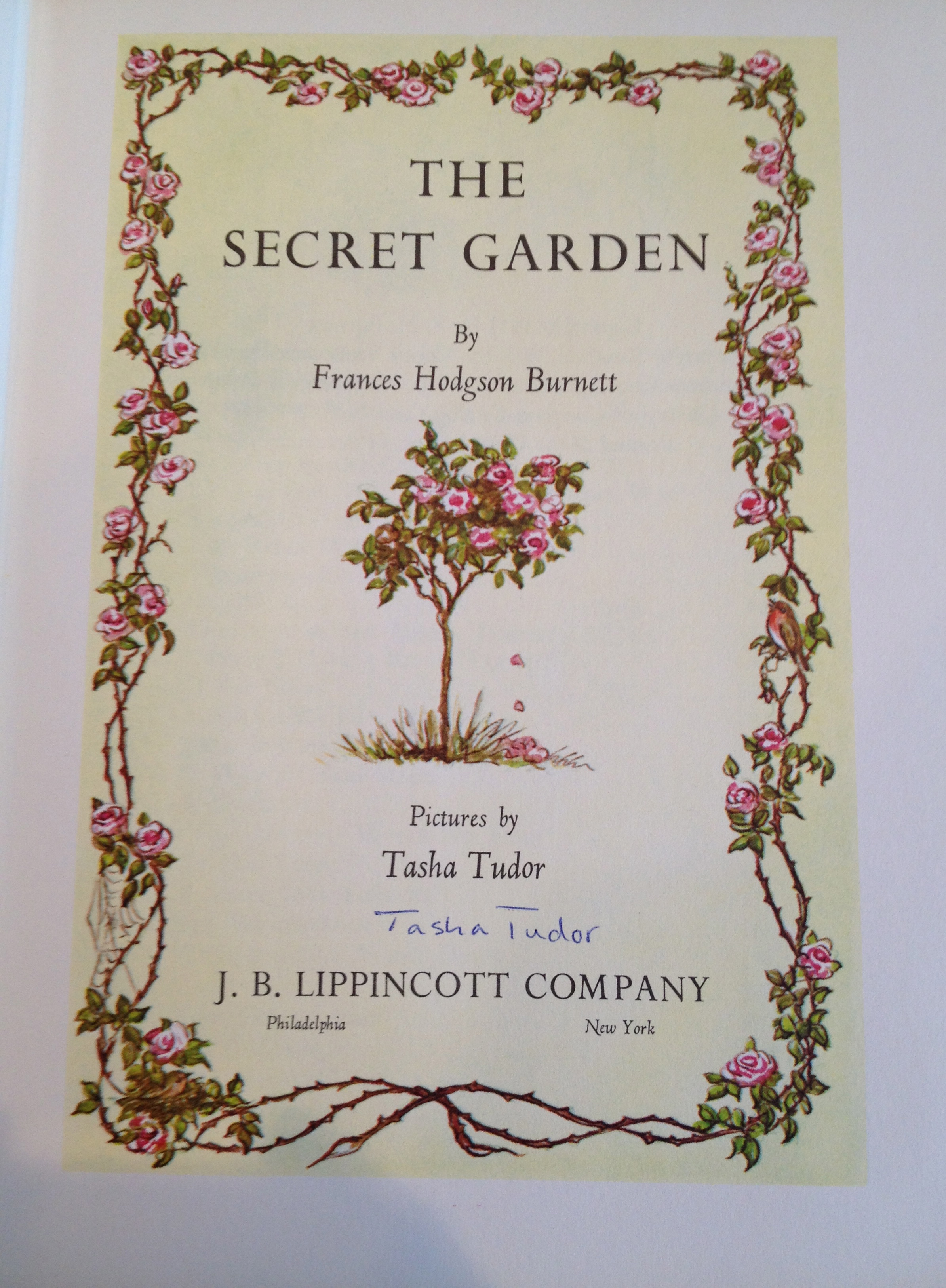
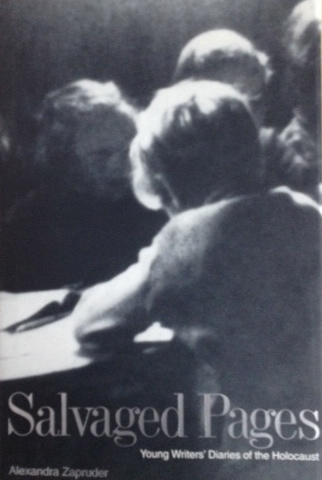
photo 1Most poignant was Kathy’s choice: Salvaged Pages,  a collection of diaries written by young people, ages 12 to  22, during the Holocaust, most of whom perished before their liberation. This is a book that should never go out of print.

What about you? Are there books in your library you would hate to lose?
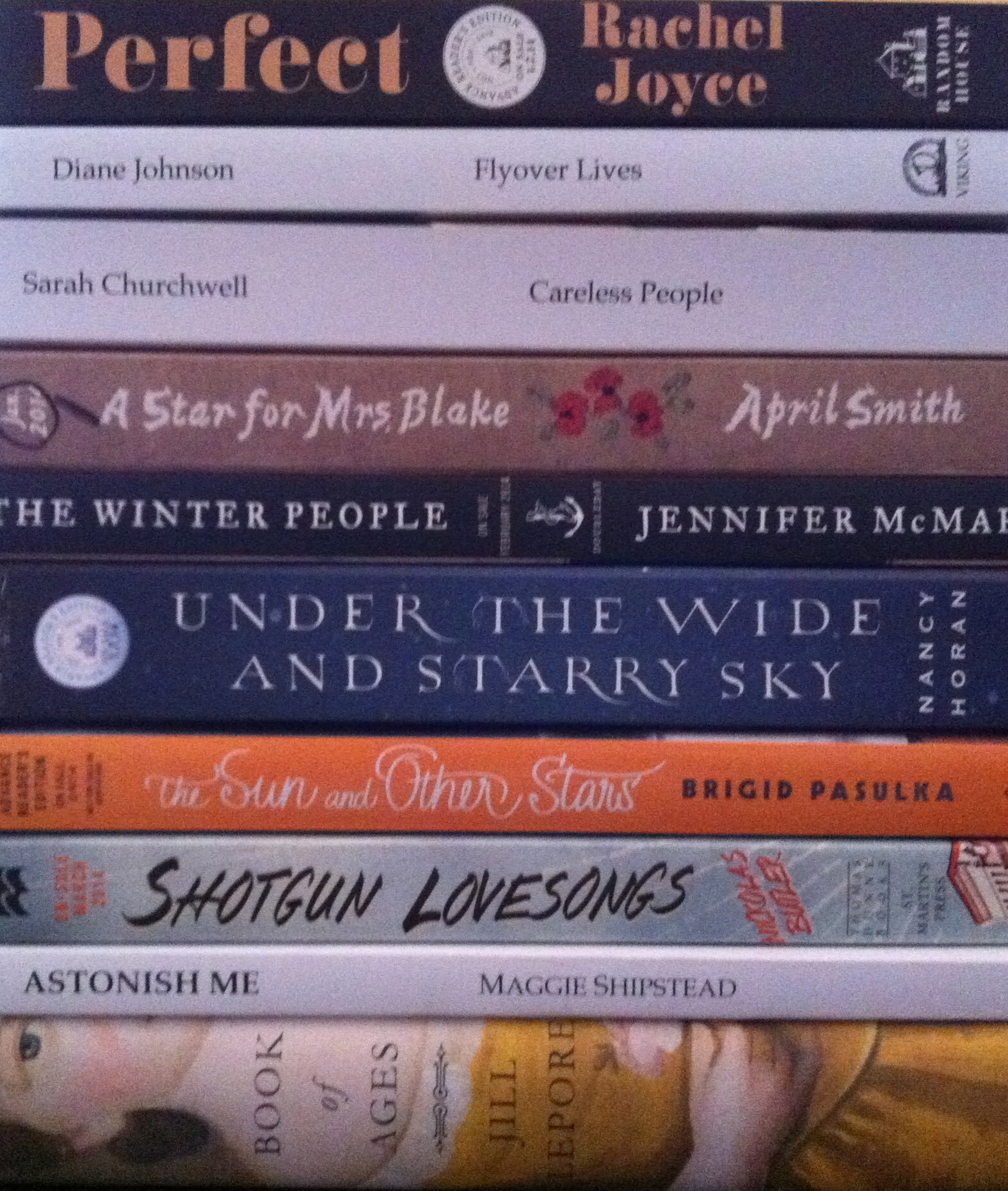
 

10 Books to Read After the Holidays

IMG_1716Winter has definitely arrived in Chicago — it’s 15 degrees (without the wind chill) and snow is on the ground. There is nothing more appealing than curling up on a comfortable couch with a good book — and possibly a blanket and a cup of hot tea. A roaring fire would be nice too, but we are having a problem with our fireplace. The chimney doesn’t seem to be drawing properly; every time we light a fire, the house gets very smoky. So I’ve just called our local chimney cleaning service, called  (I am not kidding) Ashwipe Chimney Sweeps. Anyway, I’m not going to be able to squeeze in much reading time over the next couple of weeks. There are Christmas presents to buy and wrap, meals to plan and cook, parties to attend, kids coming home on vacation. The bookstore would probably like it if I showed up and worked. And did I mention that my daughter is getting married three days after Christmas?

One of the best things about working in a bookstore is the endless supply of ARCs (advance readers’ copies) that we have piled in our basement. I probably shouldn’t tell you this, but we actually keep them in the bathroom. The store isn’t very big, and that’s really the only place they fit. I also have a backlog of electronic ARCs on my IPad. I have ARCs for books that will come out in June — no sense reading those now, because chances are I won’t remember the books very well by the time they’re published. So I try to read books that are either just published or soon to be published. Sometimes something comes along that has to be read immediately, because it’s so compelling — it might be a book that a friend or colleague absolutely loved, or one that called my name and displaced the others on my stack. Then I forget all about publication dates and read what I want.

I have a pile of books I’m looking forward to reading in January and February. (Nine of them will be published during those months, and one — Book of Ages — is already out.) Any bets on how many I end up reading?

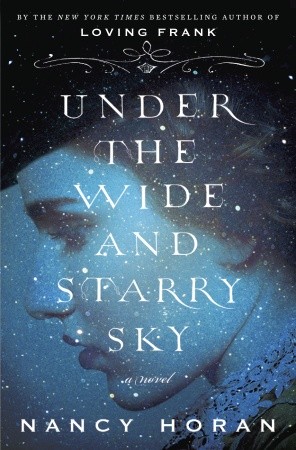
Nancy Horan's Loving Frank is one of my favorite works of biographical fiction. Her second novel is about another passionate love affair (Scottish writer Robert Louis Stevenson and his American wife, Fanny).
Nancy Horan’s Loving Frank is one of my favorite works of biographical fiction. Her second novel is about another passionate love affair (Scottish writer Robert Louis Stevenson and his American wife, Fanny).
Second novel by Chicago author Brigid Pasulka -- her first one was set in Poland; this one takes place in Italy.
Second novel by a wonderful Chicago author, Brigid Pasulka — her first one was set in Poland; this one takes place in Italy.
Debut novel by a Wisconsin author -- several colleagues have read this small-town story and loved it.
Debut novel by a Wisconsin author — several colleagues recently read this small-town story and loved it.
Book of Ages was a finalist for the National Book Award in nonfiction. I'm looking forward to reading about Jane Frankliln -- Benjamin Franklin's youngest sister and a brilliant person in her own right. (Also, a mother of 12!)
Book of Ages was a finalist for the National Book Award in nonfiction. I’m looking forward to reading about Benjamin Franklin’s youngest sister — a brilliant writer and commentator in her own right, and the mother of 12.
F. Scott Fitzgerald called Tom and Daisy Buchanan "careless people". This book tells the surprising story behind The Great Gatsby.
F. Scott Fitzgerald called Tom and Daisy Buchanan “careless people”. This book tells the surprising true story behind The Great Gatsby.
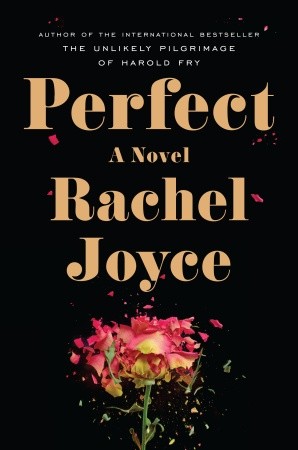
Darker than The Unlikely Pilgrimage of Harold Fry, Perfect is about a young boy whose view of the world is shattered.
I’m told that Perfect is darker than The Unlikely Pilgrimage of Harold Fry. It’s about a young boy whose view of the world is suddenly shattered.
Five  World War I Gold Star mothers travel to Europe to say final goodbyes to their sons.
Five World War I Gold Star mothers travel to Europe to say final goodbyes to their sons.
Diane Johnson explores her Midwestern roots in this memoir -- and she'll literally be returning to the Midwest as well; she visits Lake Forest in late January.
Diane Johnson explores her Midwestern roots in this memoir — and she’ll literally be returning to the Midwest as well; she visits Lake Forest in late January.
I adored Maggie Shipstead's first novel, Seating Arrangements. Her new novel is about the world of professional ballet.
I adored Maggie Shipstead’s first novel, Seating Arrangements. Her new novel is about the world of professional ballet.
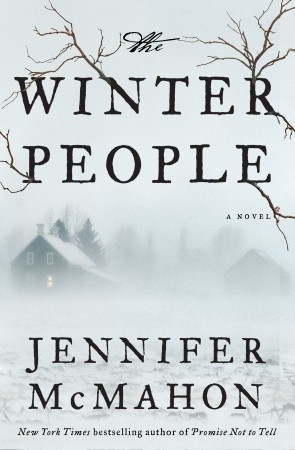
A ghost story set in Vermont -- right up my alley. Chris Bohjalian liked it and I'm betting I will too.
A ghost story set in Vermont — right up my alley. Chris Bohjalian liked it and I’m betting I will too.

My Reading Life with Pat Conroy

I was saddened to learn that Pat Conroy died yesterday (March 4, 2016), at the age of 70. In his obituary, the New York Times says that Conroy’s “legion of admirers . . . hung on his every word, entranced by the naked emotionalism of his male characters, the Lowcountry atmosphere and the page-turning Southern yarns.” Two years ago, I wrote about Conroy’s last book, The Death of Santini (published in 2013) and my long nearly 30-year membership in the Pat Conroy fan club.

How many aspiring writers have been told to “write what you know”? If Pat Conroy was given that timeworn advice, he’s certainly taken it to heart.  Both his novels and his memoirs are about what he knows — growing up as the son of an abusive Marine Corps fighter pilot, attending the Citadel as a basketball player and budding writer, losing a brother to suicide, coping with a sister’s mental illness. In his latest memoir, The Death of Santini, Conroy says, ” My books have always been disguised voyages into that archipelago of souls known as the Conroy family.”

coverI discovered Pat Conroy in 1987, with a paperback copy of The Prince of Tides. My first baby was born that year, and when he was asleep, I was reading Pat Conroy. As tired as I was, I stayed up late, immersed in the drama of the Wingo family — a violent and cruel father . . . a suicidal poet sister . . . escaped convicts on the loose . . . and a ferocious pet tiger. When I finished all 664 pages, I couldn’t wait to read more of Conroy’s writing. I quickly went through The Water is Wide, The Great Santini, and The Lords of Discipline — and then I was finished. The books went on the shelf, and my love affair with big, fat books continued when Tom Wolfe’s The Bonfire of the Vanities grabbed my attention.

Conroy disappeared for years, and finally published Beach Music in 1995. I wanted to love the book, but found I couldn’t get past the flowery prose and stilted dialogue. So it was with trepidation that I picked up My Losing Season several years later. On the surface, this memoir recounts Conroy’s senior year playing basketball at the Citadel, but it’s really about his relationship with his father, his coach, and his teammates, and finding his voice as a writer.

Do you think that Hemingway knew he was a writer at twenty years old? No, he did not. Or Fitzgerald, or Wolfe. This is a difficult concept to grasp. Hemingway didn’t know he was Ernest Hemingway when he was a young man. Faulkner didn’t know he was William Faulkner. But they had to take the first step. They had to call themselves writers. That is the first revolutionary act a writer has to make. It takes courage. But it’s necessary.

Even though I’m not interested in college basketball, I was captivated by Conroy’s story of failure and how it shaped him into the person and writer he became. It remains one of my favorite memoirs . . . along with My Reading Life, which Conroy published in 2010. (I wasn’t enamored with South of Broad, Conroy’s 2009 novel.) My Reading Life isn’t exactly a memoir; it’s a collection of essays about the powerful role of reading in Conroy’s difficult life. A person can’t be a writer without first being a reader, and Conroy tells us how he became a reader:

My mother turned me into an insatiable, fanatical reader. It was her gentle urging, her hurt, insistent voice, that led me to discover my identity by taking a working knowledge of the great books with me always. She wanted me to read everything of value, and she taught me to out-read my entire generation, as she had done hers. . . I have tried to read two hundred pages every day of my life since I was a freshman in high school because I knew that I would come to the writing of books without the weight of culture and learning that a well-established, confidently placed family could offer its children. I collected those long, melancholy lists of the great books that high school English teachers passed out to college-bound students, and I relied on having consumed those serious litanies of books as a way to ease my way into the literary life.

Even today, I hunt for the fabulous books that will change me utterly. I find myself happiest in the middle of a book in which I forget that I am reading, but am instead immersed in a made-up life lived at the highest pitch. Reading is the most rewarding form of exile and the necessary discipline for novelist who burns with the ambition to get better.

The Death of Santini covers some familiar ground — the relationship between Conroy and his terrifyingly abusive father, Don Conroy (a.k.a. “The Great Santini”). But this is a story of redemption — Don Conroy has transformed himself from a monster into a loving father and grandfather. At the end of The Prince of Tides, Tom Wingo (Pat Conroy’s alter ego), says, “I learned that I needed to love my mother and father in all their flawed, outrageous humanity. And in families there are no crimes beyond forgiveness. But it is the mystery of life that sustains me now.” Fact reflects fiction in The Death of Santini, for Conroy shows us how he is able to forgive Don Conroy for his vicious cruelty towards his family. The writing of the book was a necessary part of Conroy’s healing; he says in the prologue:

Mom and Dad, I need to go back there once again.  I’ve got to try to make sense of it one last time . . . Then I’ll be finished with you, Mom and Dad. I’ll leave you in peace and not bother you again. And I’ll pray that your stormy spirits find peace in the house of the Lord. But I must examine the wreckage one last time.

Don Conroy was, according to his son, far more cruel and abusive than Bull Meecham, the”Great Santini” of the novel. When Conroy sent his editor a first draft of the novel, she told him she was troubled by his potrayal of the Colonel — “no  reader could expect to believe that such an unsavory man could exist without a single virtue to recommend him. To make him credible, I had to include scenes that displayed a softer and kinder man.” This softer and kinder man eventually came to life, in the person of the elderly Don Conroy. Throughout his life, he enjoyed attending his son’s book signings; in fact, father and son made a pact that no customer would ever leave without a book signed by them both. (Of course, he often bragged that his line for autographs was longer.) He was enormously proud of Conroy’s success, and, in fact, wrote a letter to his entire extended family defending The Great Santini:

Pat is a very clever storyteller and I was totally absorbed and encountered every emotion, as reading very slowly, life with father unfolded in this work of fiction. It was as though I knew some of the characters personally . . . Pat did a superb job in developing the character Mary Ann . . . with all modesty, fell far short on Santini — which is quite understandable with such a dashing and complex character.

Yes, Don Conroy is a complex character — and Conroy does an extraordinary job of portraying that complexity in The Death of Santini. In one of the most moving scenes in the book, Conroy describes his father’s grief after his youngest son’s funeral: “Forgiven at last, my father sat in a chair in the living room, not even trying to control his crying. His kids surrounded him, because his love of Tom provided us an understanding of his own love for all of us. It was a day of surreal, uncommon beauty.”

Conroy closes the book with the eulogy he wrote for his father’s funeral. Is this really the last time Conroy will “examine the wreckage” of his tumultuous family? In an interview in BookPage, he claims it is: “I’m going to try to leave the family in peace. There are other things to write about.” We’ll see.

Men, Women, & Reading

Today is my husband’s birthday (Happy Birthday, Jeff!) and that made me think about the differences between men’s and women’s reading tastes.  I was trying to decide which book to give him for his birthday. When I started working at Lake Forest Book Store, our owner, Sue Boucher, gave me a “tour” of the store. The space we occupied at the time was only 1000 square feet, so the tour didn’t take long, but I learned some interesting things along the way. Sue pointed out the “men’s” and “women’s” sections. The men’s, as you might guess, was filled with murder mysteries and spy thrillers, while the women’s shelves contained literary fiction.

I had never given much thought to which books might appeal primarily to men and which might be “women’s” books. I had always dismissed a few authors as men’s authors I didn’t want to read, (such as the recently departed Tom Clancy), but I had always liked all kinds of books and vaguely assumed everyone else was the same.  I knew that my sons didn’t want to read The Babysitters Club series and my daughter wasn’t interested in science fiction, but they had all enjoyed listening to us read Charlotte’s Web, The Witches, the Narnia books, and the Little House books.

Now I was learning to think like a bookseller, not just as an independent reader, and what I learned fascinated me. First of all, I discovered that the differences start early. If a book features a female as the main character, boys, for the most part, won’t read it. However, girls are happy to read about either boys or girls. Why do you think J.K. Rowling wrote about Harry Potter, not Helen Potter? Yes, Hermione is a smart and independent girl, but she’s still a sidekick. Do boys want to read about “the girl who lived”? This difference carries through to adulthood — it’s a rare male reader, in my experience,  who is interested in reading a novel featuring a female character.

Over the years, I found that another generalization held true — boys and men are more interested in novels featuring action, humor, and factual information than they are in books about love, family relationships, and young people coming of age.  And men are much more interested in nonfiction than women. If you tell a woman a work of nonfiction “reads like a novel”, that’s a great selling point —  but it’s not necessarily for a man. I wonder why elementary school teachers insist that boys read fiction, when so many of them would much prefer to read a sports biography or a factual book about war? Is the literary value of any novel greater than the literary value of nonfiction?

TheBoysintheBoatAnyway, I finally decided not to get my husband another book. I looked at his nightstand and realized I had already provided him with enough reading to take him through 2013 and well into 2014. (By the way, he’s not a fan of mysteries or spy thrillers — but he does love history.) He’s now reading The Boys in the Boat: Nine Americans and Their Epic Quest for Gold at the 1936 Berlin Olympics by Daniel James Brown — which was my favorite book from the last few months.  Everyone knows about Jesse Owens’s famous victory at the 1936 Olympics, but how many know about the University of Washington crew team’s win?

This is a perfect book for both men and women — if you’re looking for a book to share with your spouse, this is the one.  On the surface, it’s an underdog sports story in the vein of Seabiscuit or The Greatest Game Ever Played,  but it’s much more than a sports book. The “boys in the boat” were the nine students at the University of Washington (eight rowers and one coxswain) who overcame obstacle after obstacle to defeat the Germans at the 1936 Olympics. The fact that they were attending college at all was a miracle — almost all of them were from dirt-poor families struggling to feed their families during the Depression. One of the boys was actually abandoned by his family and had to forage in the woods for food. This book hooked me from the first page, when Daniel James Brown describes his first meeting with his neighbor, Joe Rantz (one of the legendary nine):

I knew only two things about Joe when I knocked his daughter Judy’s door that day. I knew that in his mid-seventies he had singlehandedly hauled a number of cedar logs down a mountain, then hand-split the rails and cut the posts and installed all 2,224 linear feet of the pasture fence I had just climbed over — a task so herculean I shake my head in wonderment whenever I think about it. And I knew he had been one of nine young men from the state of Washington — farm boys, fishermen, and loggers — who shocked both the rowing world and Adolf Hitler by winning the gold medal in eight-oared rowing at the 1936 Olympics.

It’s a thrilling story, even though the outcome is known from page one. The personalities involved, the historical context, and the details about rowing and boatbuilding all combine to create a multi-dimensional narrative. It’s an inspirational story as well; Brown starts  each chapter of The Boys in the Boat  with a quotation by George Pocock, the British-born boatbuilder and unofficial coach and guru to the University of Washington crew. The final quotation in the book is posted in the boathouse at the University of Washington:

Harmony, balance, rhythm. There you have it. That’s what life is all about.

Link to a video of the famous race, complete with a German announcer:

http://www.youtube.com/watch?v=uRsMdzWKEV0


Book Clubs — Women Only?

It is love and friendship, the sanctity and celebration of our relationships, that not only support a good life, but create one. Through friendships, we spark and inspire one another’s ambitions.  Wallace Stegner

A long time ago in a galaxy far, far away (before email existed), my husband and I and another couple decided to form a coed book club. We thought we would start with just the four of us, to see how it went. The first task, of course, was to choose a book that all four of us would enjoy and that would inspire a good discussion. The two men went out for a weekday lunch, and my husband came home that evening and reported that they had decided on The Razor’s Edge by Somerset Maugham. I was impressed that the two men had stepped up to the plate and made a decision, and started reading the book right away.

292408Several weeks later, when our friends showed up at the door for dinner and our book discussion, I thought it was strange that John was dressed as a cowboy and was carrying a can of baked beans. I remember thinking that most people bring wine, but that canned beans certainly were a more creative hostess gift. I got my legal pad with discussion questions, made sure everyone was settled with a cocktail by the fire, and jumped right in to the discussion.  How did the war affect the characters in this book? What was the role of religion in the book? What was the author critiquing in both American and European society? Our friends had nothing to say in response, and in fact, looked a little confused. I think they finally said something about the pioneers who settled the American West. At that point, I had to say what we were all thinking: “What book did you two read?” Well . . . it turned out they read Angle of Repose, by Wallace Stegner.  (By the way, one of my favorite books!) We’re still not sure how the men walked away from lunch with two very different ideas of what book they had chosen!

Many book clubs, including my own, have a special couples’ meeting once a year where men are invited. This usually involves much debate about what book will appeal to both genders and lots of emails about the date, location, and dinner menu. The books chosen tend to be nonfiction or historical fiction — The Absolutist (John Boyne), The March (E.L. Doctorow), The Devil in the White City (Erik Larson), Shadow Divers (Robert Kurson), The Healing of America (T.R. Reid). We’ve had some great discussions, and some so-so discussions . . . just like any book club meeting.

In Karen Joy Fowler’s wonderful novel, The Jane Austen Book Club, the book club consists of five women and one man. (The man, Grigg, is a science fiction fan who has never read Jane Austen and is coerced into the group.) I can’t imagine many coed book groups reading Jane Austen . . .

Men often poke fun at women’s book clubs. My husband recently received an invitation — for the two of us — to a golf trip reunion. (He went on this trip in June — yes, less than four months ago — and this group has already seen the need for several “reunions”.) I quote from the invitation: “We know some of you ladies have Book Club — AKA Wine Club — then come before . . . This will be a guys’ version of Book Club/Wine Club.”

There’s a website that sells book club themed paraphernalia (T-shirts, mugs, tote bags, cocktail napkins). These items feature slogans such as “My drinking club has a serious book problem”, “Read between the wines”, “I love book club — good friends, good books, good wine”, My favorite item is a pair of MEN’S shoes that are embroidered with the saying, “My book club can drink your book club under the table” (http://www.cafepress.com/+bookclub5_x_7_mens_shoes,928979346). I’m not sure what the market for those is! Maybe women with large feet?

In an article in the Huffington Post (http://www.huffingtonpost.com/delia-lloyd/five-reasons-to-join-a-bo_b_476162.html) Delia Lloyd lists five reasons to join a book club. The final reason is:

Sometimes it’s fun just to chat. Finally – all book clubs – no matter how serious, entail some chit chat. And that’s just how it should be. Whether or not you’re in one that’s all-women – as seems to be the norm – or contains “the male element” (as someone ominously referred to men recently…yikes! sounds contagious!) we all thrive on friendship as we grow older. And book clubs are a great excuse to make and keep friends.

No excuses needed! Enjoy your book club and the friendships it fosters.

For more on women and book clubs:

http://www.huffingtonpost.com/delia-lloyd/five-reasons-to-join-a-bo_b_476162.html

http://bookgroupbuzz.booklistonline.com/2011/07/08/why-so-few-men-join-book-groups/

http://www.newyorker.com/humor/2009/05/25/090525sh_shouts_hodgman: Very funny “discussion questions” for a hypothetical book club. A couple of my favorites:

 Book-club members who have actually read this book have called its plot “depressing,” “disgusting,” and “too much about poor people.” Does this suggest that you, as a reader, have a moral obligation to say that you liked the book?

On page 2, the author refers to “supper.” In books, food is often used as a symbol. Try to think of a time when food, or a particular meal, has been important to you. Then keep it to yourself.


Used Books

I love everything that’s old — old friends, old times, old manners, old books, old wine.  Oliver Goldsmith

Years ago, when my husband and I bought a used car, the salesman kept referring to the car as “pre-owned”.  Apparently “used” is a dirty word when it comes to selling cars. Our local Friends of the Library holds a book sale every September, and I noticed that they refer to the books as “gently used”. Whatever they’re called — “pre-owned” , “gently used”, “well-loved”, “like new” —  used books bring back memories. At the book sale yesterday, I spotted Gorky Park and remembered reading that Cold War thriller on my honeymoon. I saw piles of Berenstain Bears paperbacks and remembered reading those awful books over and over to my children. And The Scarsdale Diet brought back memories of a short-lived attempt to live on 700 calories per day. (Whatever happened to Jean Harris, the private school headmistress convicted of murdering Herman Tarnower, the Scarsdale Diet Doctor?)

Yesterday was Bargain Day — all books 50% off the already low prices. People were lugging multiple loads of bags and boxes of books to their cars. There were supposed to be 100,000 books at the sale, and some frenzied customers looked like they were trying to bring home as many of those 100,000 as they could. I was on the lookout for certain old books I’ve been trying to track down for years  . . . no luck there, but I did score a copy of Noteworthy (the Ravinia cookbook,  long out of print) to give to my aunt, a hardcover copy of The Match (my husband’s favorite golf book) to give to my son, and a coffee table book about Chicago street names for my collection.

In the book business, we are always looking ahead to the newest books. We get advance copies of books months before they’re published.  I’ve already read books that will come out this fall and winter. If I haven’t read a book within a few months of its publication date, I feel like I’ve missed it and I need to move on to newer books. The used book sale reminded me that there are countless treasures from the past waiting for me to discover them. (Sadly, I have to admit some of those treasures are sitting on my own bookshelves.)

What overlooked book is sitting on your shelf? Maybe you should give it a try . . . or maybe it needs a new home.

Unlikable Characters — Why I Love Them

As a writer,  I subscribe to Chekhov’s world view — “It’s not my job to tell you that horse thieves are bad people — it’s my job to tell you what this horse thief is like.”  Claire Messud

We all have favorite characters in literature — but often, those aren’t the most likable or admirable characters. They’re usually the most interesting ones.  Jay Gatsby is complicated and fascinating, but would you want to have dinner with him? (Although you might want to go to one of his parties.) Holden Caulfield would probably be annoying. And who wants a friend as conniving and disingenuous as Scarlett O’Hara?

In an interview with Publishers Weekly, Claire Messud (The Emperor’s Children, The Woman Upstairs) took issue with the idea that characters should be likable. When asked, “I wouldn’t want to be friends with Nora (the protagonist of The Woman Upstairs), would you? Her outlook is almost unbearably grim,” Messud answers, “What kind of question is that? Would you want to be friends with Humbert Humbert . .  Hamlet . . . Raskolnikov . . .Antigone. . . If you’re reading to find friends, you’re in deep trouble. We read to find life, in all its possibilities. The relevant question isn’t ‘Is this a friend for me?’ but “Is this character alive?’ “.

A couple of weeks ago, our store hosted a luncheon for Maggie Shipstead in honor of the paperback release of her wonderful comedy of manners, Seating Arrangements. Maggie mentioned that she had participated via Skype in book group discussions of her novel and that a common criticism was that the characters weren’t likable. Seating Arrangements takes place over a single weekend, on an island very much like Nantucket, as a family of New England WASPs gathers for a wedding. Not everyone in the novel behaves well — in fact, most of the characters behave rather badly. Winn, the father of the bride, lusts after one of the bridesmaids and is obsessed with joining a golf club that won’t admit him. No, I don’t want him at my next party. A lesser writer would have portrayed Winn as a stereotypical upper-class jerk, but Shipstead makes him come marvelously alive.

The runaway hit of summer 2012 was Gone Girl by Gillian Flynn — and it’s still selling so well in hardcover that it hasn’t been released in paperback yet. Now there’s a book with unlikable characters! Even Nick, the supposed “good guy” in the book, is not really a sympathetic character.  Amy is the “horse thief” in the book and certainly Flynn tells us what this horse thief is like. Is that why Gone Girl has been so popular? Or is it the intricate plot with twist after twist — and that controversial ending?

coverFor me, The Dinner, by Herman Koch, was this year’s Gone Girl. (Actually, the Wall Street Journal calls it the “European Gone Girl“, but I thought of it first, I promise.) The entire novel unfolds over the course of a dinner at a fashionable restaurant in Amsterdam. Two couples meet to discuss a problem with their teenage sons. We gradually learn that the boys have committed a crime. But what is it? Who among the four parents is culpable? Not one of the characters in this book is someone you’d like at your dinner table. In her review of this book for the New York Times, Claire Messud says, “North American readers care inordinately that fictional characters be likable. This premise is strange, given that few real people are thoroughly nice and those few aren’t interesting.  Surely what actually matters is that characters clear this vital hurdle: that they be interesting.” The characters in The Dinner clear that hurdle . . . how about a book group meeting over dinner to discuss them and their motivations?

For more on likable/unlikable characters in literature, check out this link to Page-Turner,  the New Yorker’s book blog: http://www.newyorker.com/online/blogs/books/2013/05/would-you-want-to-be-friends-with-humbert-humbert-a-forum-on-likeability.html.

Why another book blog?

We read to know we are not alone.  C.S. Lewis

Only connect!  E.M. Forster

I follow quite a few book blogs, because I love reading about books almost as much as I love reading the books themselves. There are lots of terrific book blogs, and I will include links to those. So why another book blog? First of all, I thought our customers at Lake Forest Book Store would enjoy a blog with a local angle. I’ll be writing about what’s happening at our store and in the community — visiting authors, local book clubs, our bestsellers (which are rarely the same as the New York Times bestsellers),  and funny things that happen at the store. (Yes, a lot of funny things happen at the store — both funny peculiar and funny ha-ha.) Also, I’ve found that many book blogs are very specialized. There are great book blogs about chick lit, science fiction, YA, poetry, the classics . . . you name it. I’m an omnivorous reader and I wanted to create a blog for all kinds of readers. What kind of reader are you? What’s in your “to read” stack? What have you read lately? What’s your book club reading? I’d love to know!