5 Reasons to Read Short Stories

Collections of short stories are hard to sell. I can almost predict the response when I offer a book of short stories to a customer:

ME: What can I help you find this afternoon?

CUSTOMER: Well . . . I’m just looking for something good to read. Anything you’ve read lately you would recommend?

coverME: Oh, yes! I really enjoyed Astray by Emma O’Donoghue. She wrote Room.  It’s a collection of short stories, and I thought just about every story was wonderful.

CUSTOMER: Uh-huh . . . I wasn’t really looking for short stories. Anything else?

And booksellers aren’t the only ones who have trouble convincing people to read short stories. Author David Abrams has the same problem, as he notes in the website Book Riot:

I’ve always been a champion of the short story, both as a writer and a reader, and it always stuns me into silence when I have friends–good friends, well-read, intelligent, reasonable friends–who dismiss short stories with a flap of the hand, a pinch of the lips, and a deprecating, “Oh, I don’t do short stories.” It’s said in the same tone of voice a vegetarian would say, “I don’t do meat.” When I come back with, “Why not?” the answers are always vague and insubstantial. I have yet to find anyone who can give me a solid, tangible reason they don’t like short stories. I suspect they’re afraid of short stories, an aversion that began in grade school . . . By their nature, short stories compress language to its densest gem-like state (second only to poetry); novels sprawl and emphasize plot and are generally more accessible to younger readers. I could be wrong, but I think the average 15-year-old would rather read The Catcher in the Rye than “Young Goodman Brown.”

bernice_covWriters themselves have a hard time selling their short stories. Most are grateful if their stories see print in obscure literary magazines. This wasn’t always the case. In the 1920s, F. Scott Fitzgerald was able to support a lavish lifestyle through sales of short stories to popular magazines; the Saturday Evening Post paid him as much as $4,000 for a single story. In 1930, Edith Wharton sold a story to Cosmopolitan for $5,000.  (Imagine how much that would be in today’s dollars!) Writers used the income from short stories to support themselves as they worked on novels. Now, writes critic A.O. Scott in the New York Times, “A young writer who turns up at the office of an editor or literary agent with a volume of stories is all but guaranteed a chilly, pitying welcome. That kind of thing is just not commercial.”

I’ve been reading that the short story is experiencing a resurgence. It’s true that Alice Munro, arguably the best short story writer of our time, won the Nobel Prize for literature in 2013, and that George Saunders was a 2013 National Book Award finalist for his short story collection, The Tenth of December.  And digital publishing may be revitalizing the short story; in an article in the New York Times entitled “Good Fits for Today’s Little Screens: Short Stories”, Leslie Kaufman writes, “The Internet may be disrupting much of the book industry, but for short-story writers it has been a good thing.” She quotes Amber Dermont, a novelist who has recently published a short story collection: “The single-serving quality of a short narrative is the perfect art form for the digital age . . . Stories are models of concision, can be read in one sitting, and are infinitely downloadable and easily consumed on screens.”
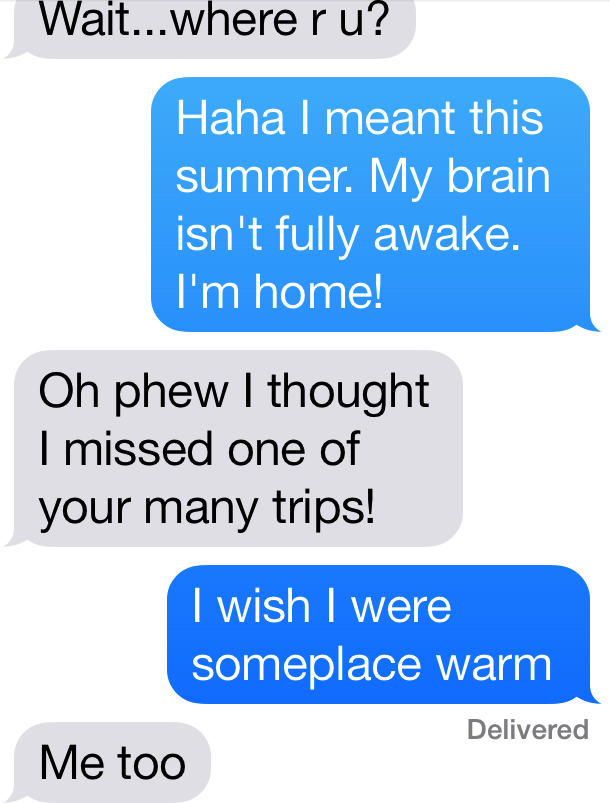
A typical text conversation of mine. Not a shining example of how digital technology enhances writing skills.

In the same article, Cal Morgan, an editor at HarperCollins, says that digital communication has had a positive influence on younger writers:

The generation of writers out of college in the last few years has been raised to engage with words like no generation before. Our generation was raised on passive media like television and telephones; this generation has been engaged in writing to each other in text messages on a 24-hour basis. I think it has made them bolder and tighter.

Hmmm, I’m not sure if texting makes anyone’s writing “bolder and tighter”, and I really don’t think the new generation of writers has “been raised to engage with words like no generation before” — but I appreciate the attempt at putting a positive spin on round-the-clock texting.

Here’s my sales pitch for short stories:

  1. They’re . . .  short. When you’re between books, or don’t have the time to immerse yourself in your current book, it’s very satisfying to read a thoughtful, well-written story. You feel like you’ve accomplished something. And there are many stories you can read in 10 or 15 minutes . . . stories that you will be thinking about for much, much longer than that.
  2. They’re usually very well-written.  Writers who are able to publish collections of short stories are generally well-established literary writers. It takes a tremendous amount of skill to write a good short story. Even if you scratch your head trying to figure out what the story was really about, you will appreciate the writing.
  3. They’re perfect for book clubs. No one can show up to your book club without having read the selection — anyone can find the time to read a short story or two. How about a meeting where you compare two short stories? A discussion based on a story might actually last longer than a discussion of The Goldfinch — especially if only two members of your group have finished it and the rest don’t want the ending ruined.
  4. They are wonderful to listen to or to read aloud. I really enjoy the NPR Selected Shorts podcasts. I find it hard to listen to audiobooks; I keep losing track of the plot. But short stories are ideal for car trips or walks.
  5. They lend themselves to rereading. I’m much more likely to reread a short story than a novel. I’m often amazed by how much more I appreciate a story when I read it again. I’m sure I’d feel the same way if I reread I novel, but I rarely do that; there’s always another book waiting.

I recommend starting with a short story anthology so you can read what an editor considers the best stories by top short story writers. I love the Best American Short Stories series, which comes out in paperback every fall. Each year, there’s a different editor, who’s a well-respected author; the 2013 volume is edited by Elizabeth Strout. The O. Henry Prize Stories series is also wonderful. I can almost guarantee that if you pick up any book in either of these series, you will find at least one story that speaks to you.

cover-1Here’s a list of 10 favorite short story collections, new and old:

  • What We Talk About When We Talk About Anne Frank by Nathan Englander
  • Different Seasons (4 novellas) by Stephen King
  • Bark by Lorrie Moore (due 2/25/14)
  • Dear Life by Alice Munro
  • The Complete Stories by Flannery O’Connor
  • Nine Stories by J.D. Salinger
  • Selected Stories by William Trevor
  • Collected Stories and Other Writings by John Cheever
  • Unaccustomed Earth and Interpreter of Maladies by Jhumpa Lahiri

Next on my list? The News from Spain by Joan Wickersham.

Further reading on short stories:

A Brief History of the Short Story in America (Critical Mass, blog of the National Book Critics Circle of America)

Sorry, the Short Story Boom is Bogus (Salon)

Brevity’s Pull: In Praise of the Short Story (New York Times)

Good Fit for Today’s Little Screens: Short Stories (New York Times)

20 for 2012: Short Story Collections (Book Riot)
Salvaged Pages — 10 Books I’d Save in a Fire (or a Flood)

The common reader, as Dr. Johnson implies, differs from the critic and the scholar . . . He reads for his own pleasure rather than to impart knowledge or correct the opinions of others.  Virginia Woolf, The Common Reader (1925); one of the books I’d save in a fire.

IMG_0014Earlier this week, a pipe burst at Lake Forest Book Store and within minutes, the entire basement was flooded and thousands of books were ruined. Certainly this was a catastrophe, but the store has insurance and the books can be replaced. Right before this happened, my colleague and I were chuckling over “Planning for Natural Disasters”,  one of the seminars offered at the upcoming American Booksellers Association Winter Institute: Why would anyone go to that, we wondered, when there are fascinating alternatives like “Sad and Dark YA Literature”? Now we know.

The flood made me think about what books I would try to save if there were a fire or flood in my house. (I’m not speaking literally, you realize! If there’s REALLY an emergency, I will not be standing in front of my bookshelves wondering which books to take. This is an academic question, like “If you could only take one book to a desert island, which one would you choose?”) Which books would I miss the most? Which ones can’t be replaced? Not many, it turns out. Most of the books I own would be easy to replace. I’d be sad to lose my signed ARCs from author events and trade shows, but those wouldn’t be the ones I’d grab on the way out the door.

The books I would want to save are books that belonged to me as a child, or to my parents and grandparents.  Many are long out of print. Just looking at their covers takes me right back to my childhood. They are falling apart, with loose pages, broken spines, and missing dust jackets.

Peter Pan by J.M. Barrie This version (1910) belonged to my grandmother, who was born in 1904.
Peter Pan by J.M. Barrie
This version (1910) belonged to my grandmother, who was born in 1904.
1 x 1 by e.e. cummings My grandmother was in the habit of writing to authors she admired, and a postcard thanking her for her fan letter is in the book.
1 x 1 by e.e. cummings
My grandmother was in the habit of writing to authors she admired, and a postcard thanking her for her fan letter is in the book. Think it’s worth anything?


James and the Giant Peach by Roald Dahl My aunt was kind enough to give me a lovely inscribed book, and I took a marker and corrected her spelling of "niece".
James and the Giant Peach by Roald Dahl
My aunt was kind enough to give me a lovely inscribed book, and I took a marker and corrected her spelling of “niece”. Not very nice!
The Bounty Trilogy by Charles Nordhoff and James Hall I reread these 3 books (all in one volume) over and over again.
The Bounty Trilogy by Charles Nordhoff and James Hall
I reread these 3 books (all in one volume) over and over.
The Common Reader by Virginia Woolf My grandmother (born in 1908) apparently received this book when she was 20, and years later added a bookplate with her new married name. I used this for research on my honors thesis when I was 20.
The Common Reader by Virginia Woolf
My grandmother (born in 1908) apparently received this book when she was 20, and years later added a bookplate with her new married name. I used this for research on my honors thesis when I was 20.
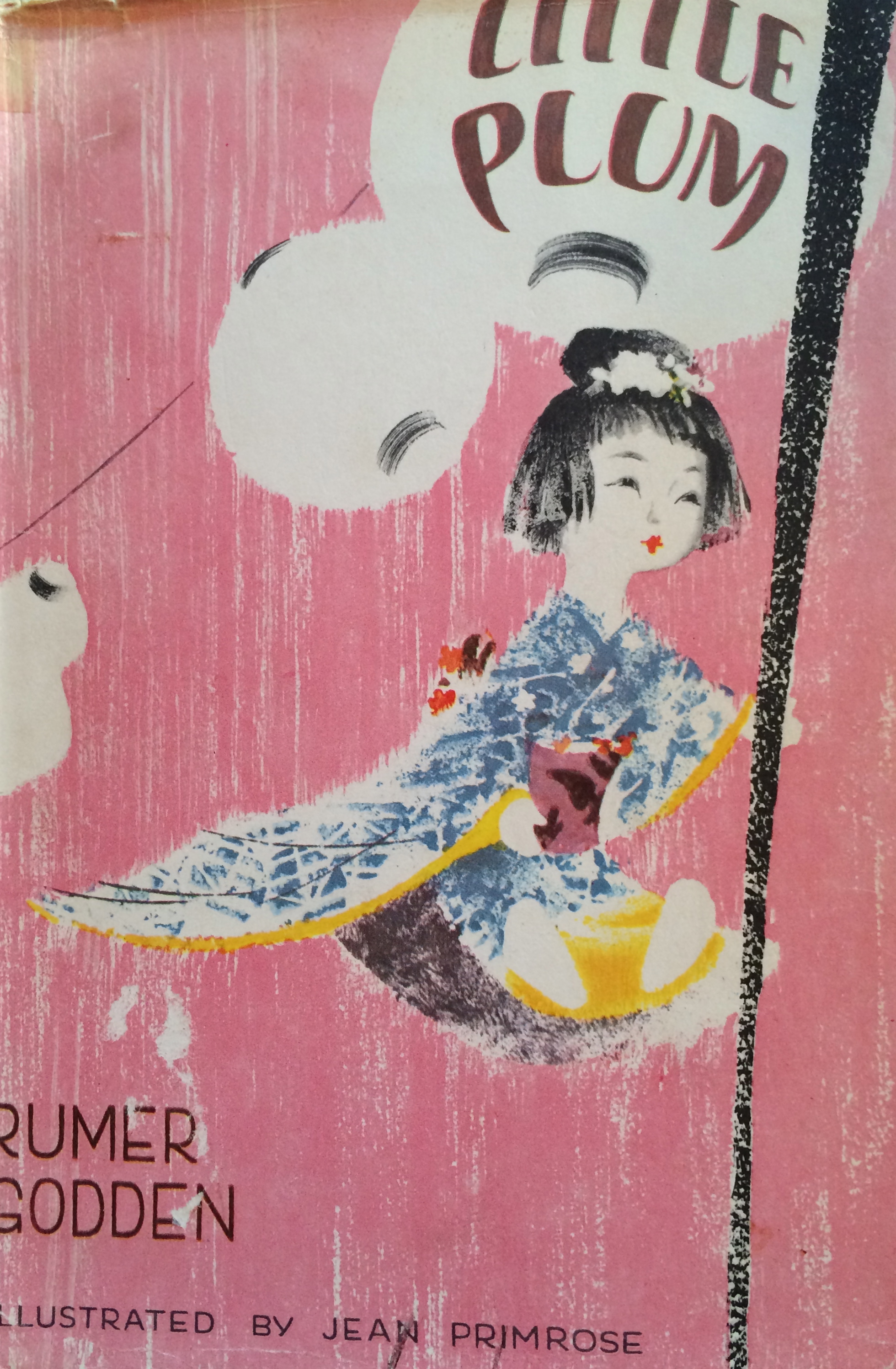
Little Plum by Rumer Godden A wonderful story about a lonely little girl and a Japanese dollhouse . . . so sad it's no longer in print.
Little Plum by Rumer Godden
A wonderful story about a lonely little girl and a Japanese dollhouse . . . so sad it’s no longer in print.
The Fabulous Flight by Robert Lawson I tracked this book down on Ebay -- it was a childhood favorite that I borrowed from the library again and again.
The Fabulous Flight by Robert Lawson
I tracked this book down on Ebay — it was a childhood favorite that I borrowed from the library again and again.
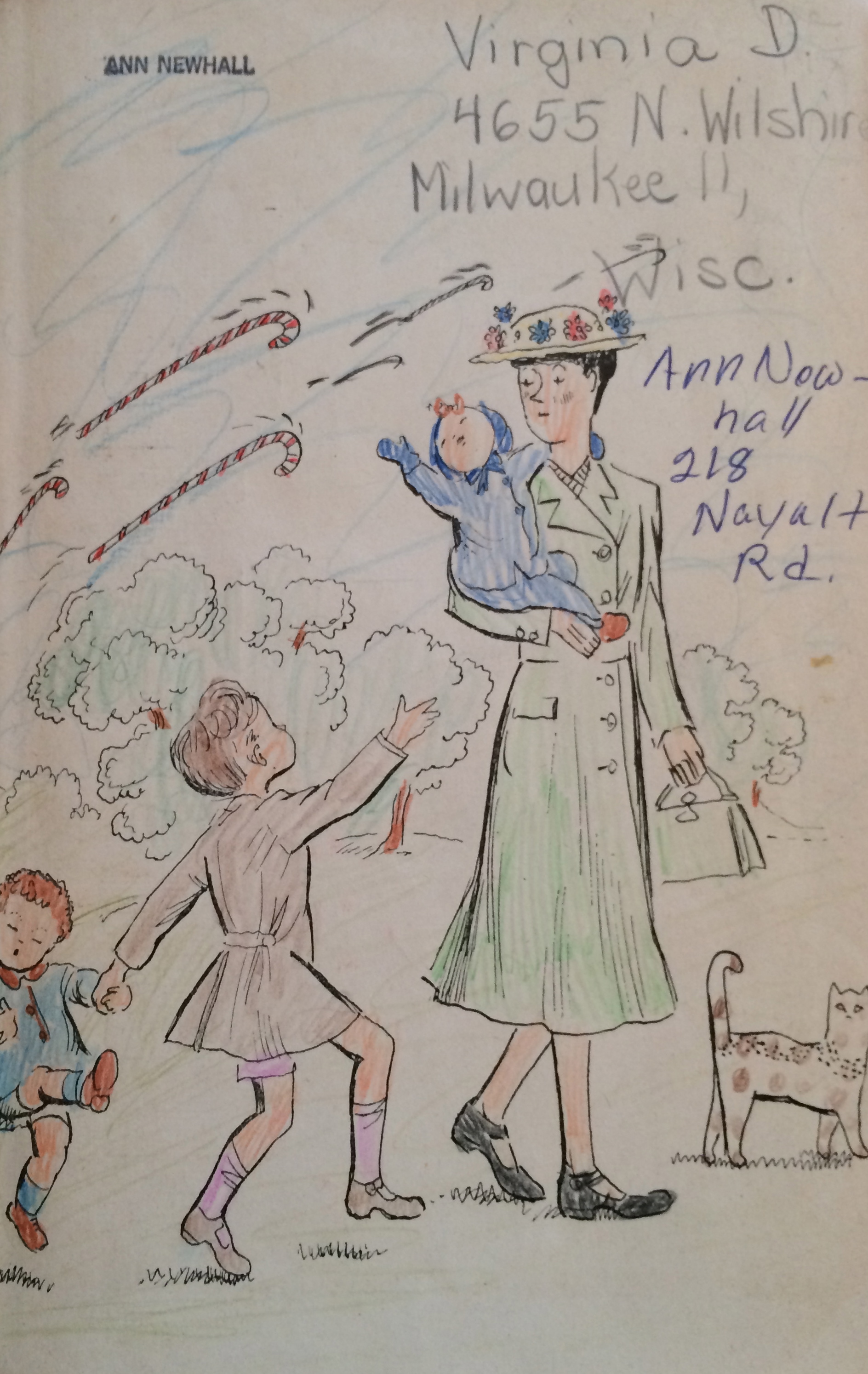
Mary Poppins Opens the Door by P.L. Travers Originally my mother's, I added my name and address. I don't know who colored the illustrations!
Mary Poppins Opens the Door by P.L. Travers
Originally my mother’s, I added my name and address. I don’t know who colored the illustrations!
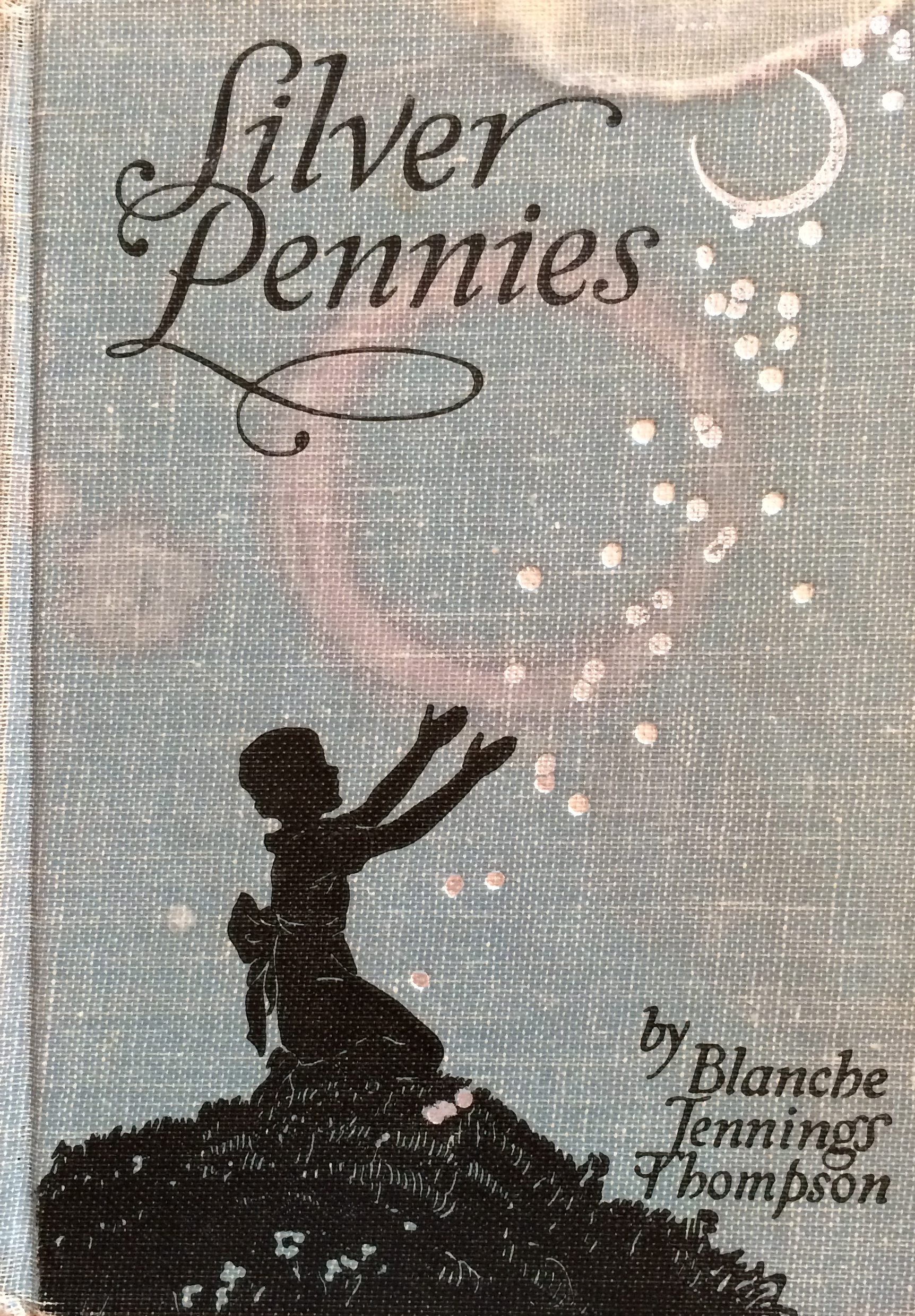
Silver Pennies My mother gave me this lovely little book of poems when I was five, and I circled the poems I liked and crossed out the ones I didn't.
Silver Pennies
My mother gave me this lovely little book of poems when I was five, and I circled the poems I liked and crossed out the ones I didn’t.
The Lonely Doll Learns a Lesson by Dare Wright Apparently some people find the Lonely Doll books creepy; I would never give up my  collection.
The Lonely Doll Learns a Lesson by Dare Wright
Apparently some people find the Lonely Doll books creepy; I would never give up my collection.

IMG_0011I asked my friends and colleagues which books they treasure most, and received some interesting responses.

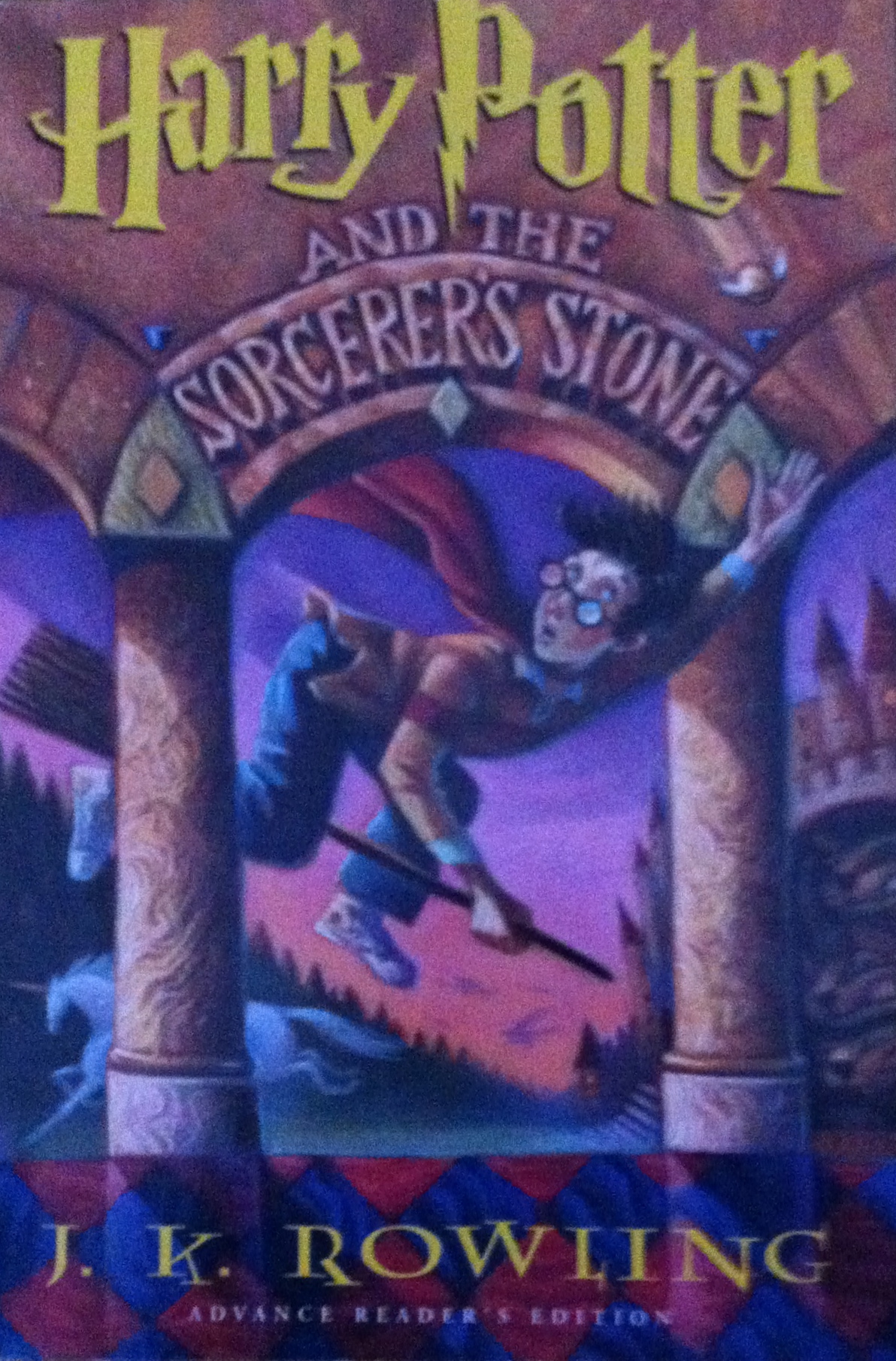
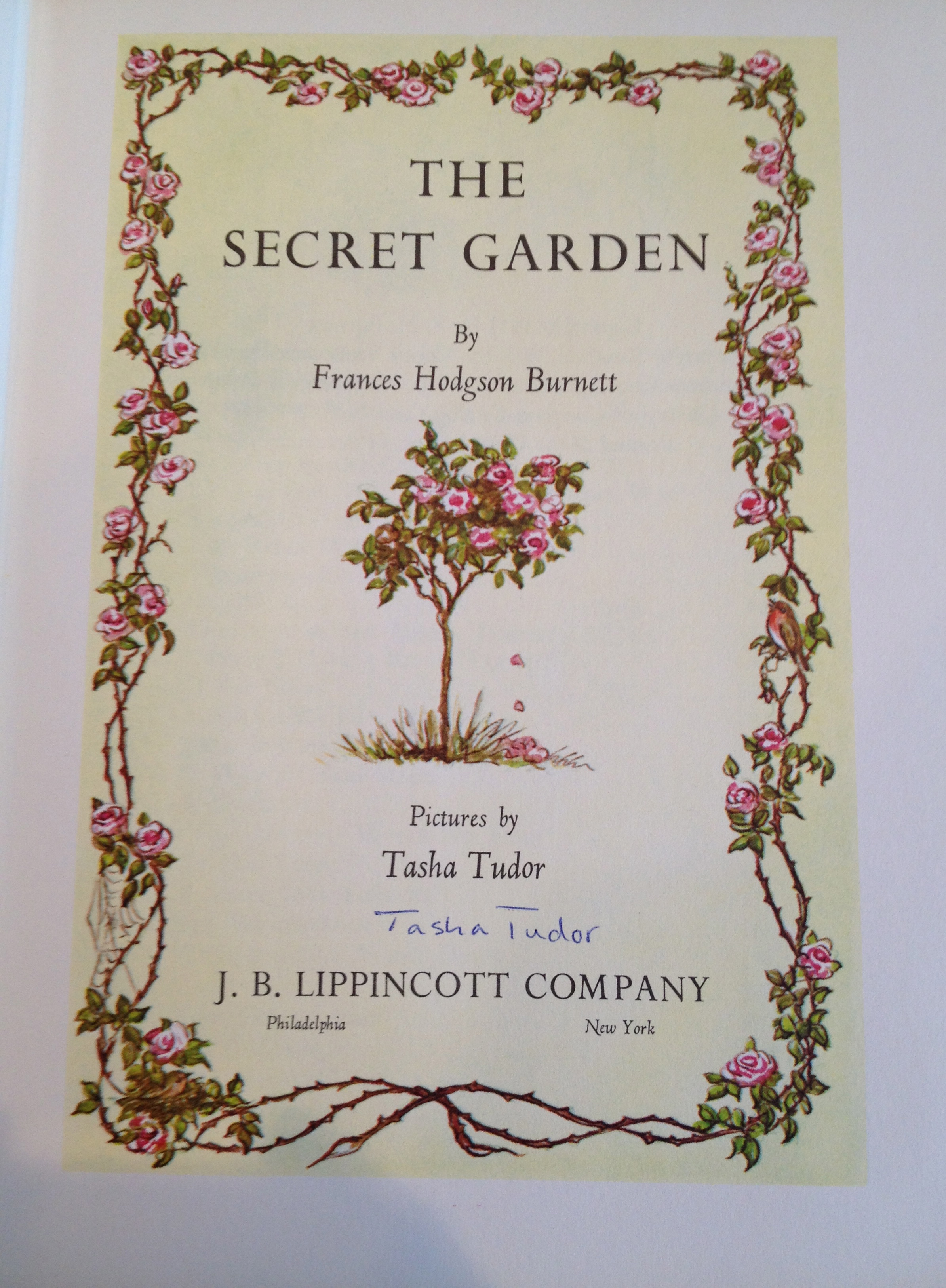
Sue chose her ARC of Harry Potter and the Sorcerer’s Stone, which she remembers reading on her porch to her family while on vacation in Michigan . . . she recalls her husband asking her not to read any more unless he was there! She could tell it was a classic from the first page. Molly is still sad she lost her inscribed copies of Laura Ingalls Wilder’s Littlephoto 1 House series, but still has a copy of Kahlil Gibran’s The Prophet, given to her by a beloved teacher and mentor 30 years ago. Ann is most attached to her copy of The Secret Garden, signed by Tasha Tudor, as well as “The Needlepoint Book: 303 Stitches, with Patterns and Projects by Jo Ippolito Christensen.  I purchased this one myself in the 80’s.  I threw the cover away a few years ago because it literally was torn to shreds.  I wish I could remember the cost.  Explanations and illustrations are wonderful in this book.  Of course, the projects are quite dated, but the stitches remain the same.  I saw the same version of the book on Etsy listed as “vintage” for $9.95.”

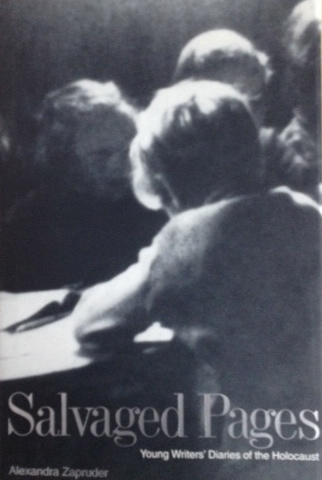
photo 1Most poignant was Kathy’s choice: Salvaged Pages,  a collection of diaries written by young people, ages 12 to  22, during the Holocaust, most of whom perished before their liberation. This is a book that should never go out of print.

What about you? Are there books in your library you would hate to lose?


Book Club Spotlight — The Book Thieves

Some book clubs are very well organized. They have regularly scheduled meetings, choose a year’s worth of books at a time (sometimes according to a clever theme) , and assign a leader to every discussion.  That is not how my book club operates. We meet every six weeks or so, and the date is chosen via email poll. We don’t like to choose our books too far ahead, because who knows what terrific book we will all want to read six months from now?

9781594204784HThis year, I volunteered to serve as the secretary of our book club. (Or was I drafted? I can’t recall.) My performance has not been up to par, even by our book club’s relatively low standards. In fact, I neglected my duties so badly that one of our members seized control and organized our annual Christmas book swap. Because she is a very nice person, she did this in a kind and tactful way, sending me the following emails:

Email #1: Are we having a book exchange in December or did that get past us all? Just wanted to make sure I did not miss anything.

Email #2: Do you want me to send an email to the group and see if we could get an impromptu group together the week of the 10th? I am happy to work on that if you think that is fun.

I gratefully accepted the offer, and last week 12 of us gathered for our favorite book club tradition — the holiday book exchange, also known as book thievery. I know many other book club organize similar exchanges over the holidays, but I wonder if our club takes ours just a little more seriously. The element of thievery certainly adds to the drama (and the fun). One of our members is the self-appointed referee and makes sure that the “official” rules are followed.

Each member brings a wrapped book. It can be any book (hardcover or paperback) — a novel, biography, cookbook, or even a beautiful coffee table book. Once someone brought what was once euphemistically called a “marriage manual” — I’m told that book is still in the back of another member’s closet, waiting for the right opportunity to reappear. 51GHq5y52OL._SX200_Sometimes there are add-on items — an adorable Santa carrying a stack of books was very popular one year. Everyone takes a number (this year from 1 to 12), and #1 is the first to choose. #2 then can decide whether to choose another wrapped book or “steal” from #1 . . . and so on, up to #12, who has the final pick. I think this type of gift exchange is called a “Yankee swap”. Our group is very fond of stealing, and our referee has to enforce rules about the number of times a book can be stolen. One of our members spoke for all of us when she said:

The book exchange is definitely a highlight because I always find it interesting to see what books people choose to bring and what is the “hot” book/gift each year.  The stealing and maneuvering always makes me laugh!  I also like seeing the different iterations that turn up — magazines, book related gifts, and book/gift combos!

This year, we had a terrific selection of books to steal — I think the only thing they have in common is that they were all published in 2013:

  • The Goldfinch (Donna Tartt) — Two members brought copies, and both were repeatedly stolen.
  •  Wave (Sonali Deraniyagala) — Just named one of the 10 best books of the year by the New York Times.
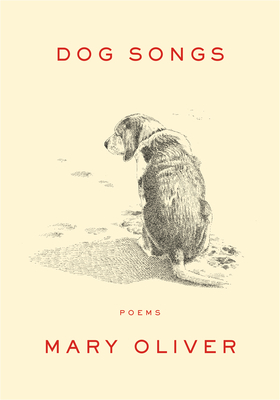
  • Dog Songs (Mary Oliver) and Dog Shaming (Pascale Lemire)
  • The Ocean at the End of the Lane (Neil Gaiman)
  • The Burgess Boys (Elizabeth Strout)
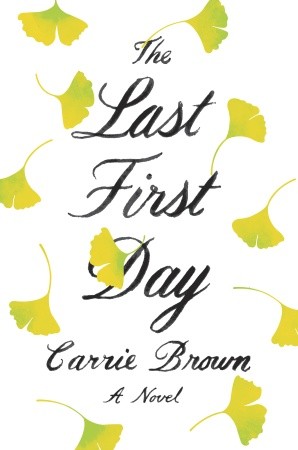
  • The Last First Day (Carrie Brown)
  • A Literary Christmas: An Anthology
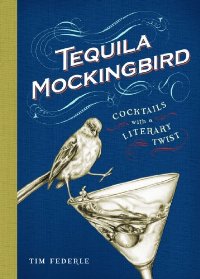
  • Tequila Mockingbird: Cocktails with a Literary Twist (Tim Federle) — I stole this one and I’m happy I did — Romeo and Julep, anyone?
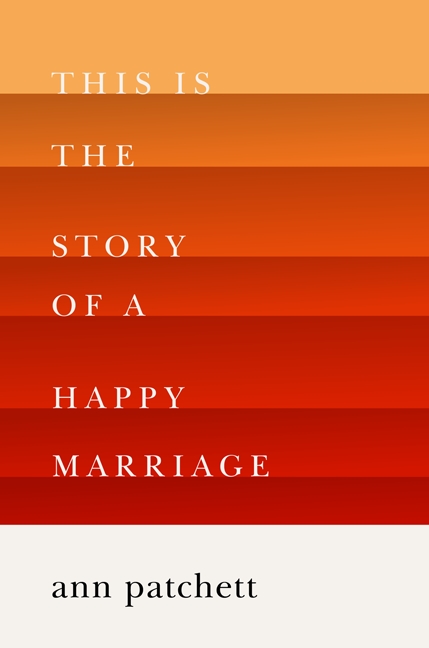
  • This is the Story of a Happy Marriage (Ann Patchett) — My contribution!
  • The Conquest of Everest (George Lowe)
  • Subscription to Vanity Fair — Creatively packaged in a wine bag.

Not only did everyone go home with a new book, we agreed on our next three book club selections. We are all anxious to read The Goldfinch — any book that’s received such extraordinary acclaim is a perfect choice for us. Several of our members have read Sutton by J.R. Moehringer, and thought our husbands would enjoy it as well — so that’s what we will read for our couples’ get-together in February. And we are th_a2948c4fc82083353093e0133d3393f1_1364311155_magicfields_HB__BOOK_COVERIMAGE_1_1looking forward to discussing Alice McDermott’s Someone, the quiet and lovely story of an “ordinary” woman examining her life.

Our book club has been meeting (and stealing) since 1993. I asked our members to share their favorite memories of the past 20 years:

  • The evening when a husband and wife reviewed (together) The Great Gatsby — everyone came dressed in 1920s attire. He had read the book 59 times and was a Gatsby fanatic/expert!
  • The contentious discussion of Atlas Shrugged; some of the most vociferous opinions were expressed by those who had not made their way through that very long book.
  • The time when a member brought her sick infant to a meeting; as she said, “nothing comes between me and my book club!”
  • The discussion of Into Thin Air that was interrupted when a member received a call that her house was on fire.
  • The very thorough review of The Shipping News, a book that some members weren’t enthusiastic about at first but grew to appreciate.
  • The couples’ discussion of E.L. Doctorow’s The March, complete with a Union table with a blue tablecloth and a Confederate table with a gray tablecloth.
  • The field trip we took to Oak Park to visit Frank Lloyd Wright’s home and studio, after reading Loving Frank.

We are looking forward to the next 20 years of reading, friendship, and theft!

For information on Yankee swaps: www.giftypedia.com/Yankee_Swap Of course, you can make (and enforce) your own rules!

10 Books to Read After the Holidays

IMG_1716Winter has definitely arrived in Chicago — it’s 15 degrees (without the wind chill) and snow is on the ground. There is nothing more appealing than curling up on a comfortable couch with a good book — and possibly a blanket and a cup of hot tea. A roaring fire would be nice too, but we are having a problem with our fireplace. The chimney doesn’t seem to be drawing properly; every time we light a fire, the house gets very smoky. So I’ve just called our local chimney cleaning service, called  (I am not kidding) Ashwipe Chimney Sweeps. Anyway, I’m not going to be able to squeeze in much reading time over the next couple of weeks. There are Christmas presents to buy and wrap, meals to plan and cook, parties to attend, kids coming home on vacation. The bookstore would probably like it if I showed up and worked. And did I mention that my daughter is getting married three days after Christmas?

One of the best things about working in a bookstore is the endless supply of ARCs (advance readers’ copies) that we have piled in our basement. I probably shouldn’t tell you this, but we actually keep them in the bathroom. The store isn’t very big, and that’s really the only place they fit. I also have a backlog of electronic ARCs on my IPad. I have ARCs for books that will come out in June — no sense reading those now, because chances are I won’t remember the books very well by the time they’re published. So I try to read books that are either just published or soon to be published. Sometimes something comes along that has to be read immediately, because it’s so compelling — it might be a book that a friend or colleague absolutely loved, or one that called my name and displaced the others on my stack. Then I forget all about publication dates and read what I want.

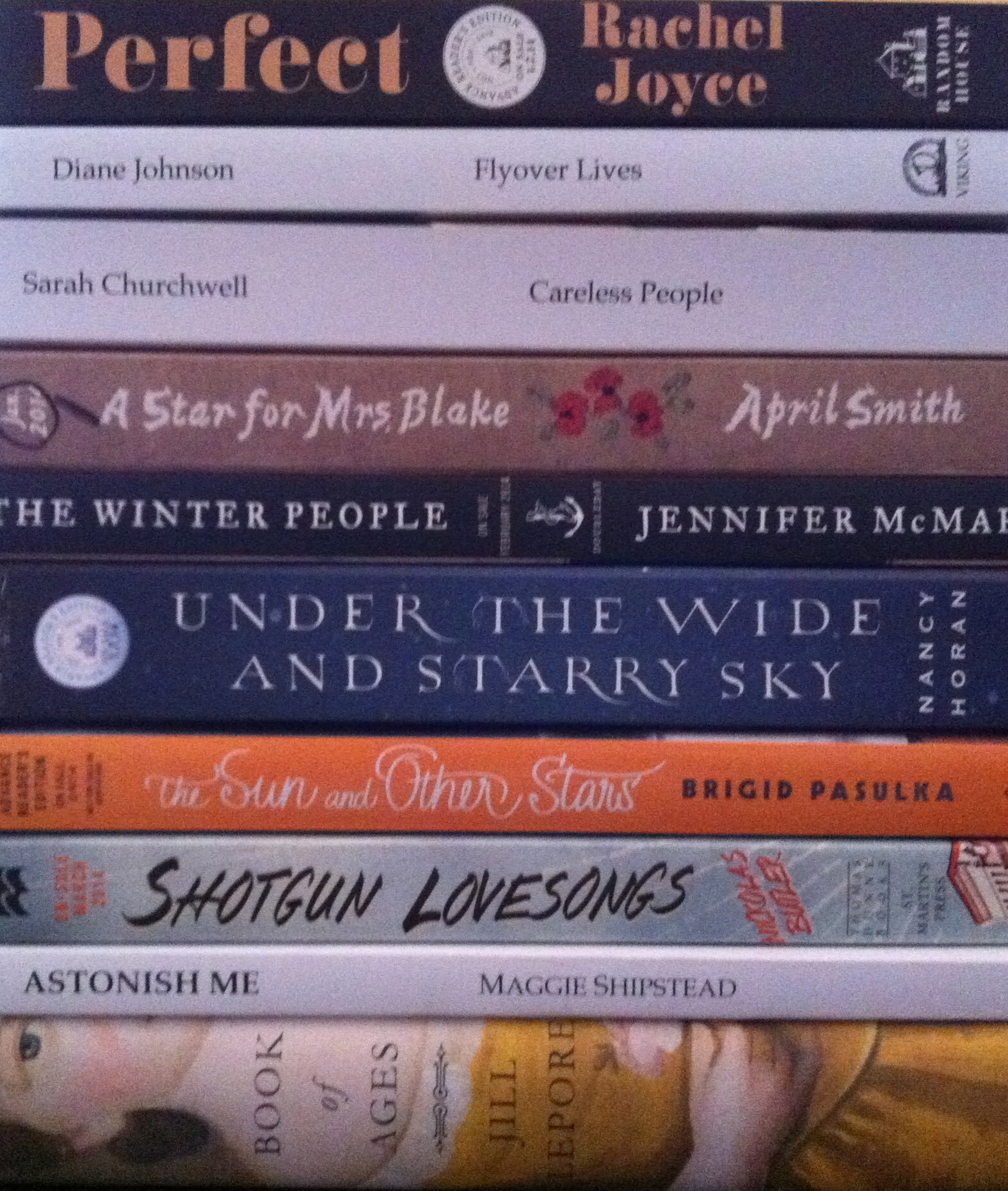
I have a pile of books I’m looking forward to reading in January and February. (Nine of them will be published during those months, and one — Book of Ages — is already out.) Any bets on how many I end up reading?

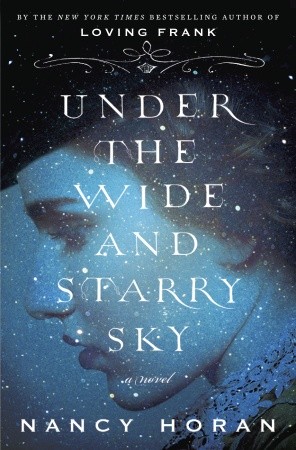
Nancy Horan's Loving Frank is one of my favorite works of biographical fiction. Her second novel is about another passionate love affair (Scottish writer Robert Louis Stevenson and his American wife, Fanny).
Nancy Horan’s Loving Frank is one of my favorite works of biographical fiction. Her second novel is about another passionate love affair (Scottish writer Robert Louis Stevenson and his American wife, Fanny).
Second novel by Chicago author Brigid Pasulka -- her first one was set in Poland; this one takes place in Italy.
Second novel by a wonderful Chicago author, Brigid Pasulka — her first one was set in Poland; this one takes place in Italy.
Debut novel by a Wisconsin author -- several colleagues have read this small-town story and loved it.
Debut novel by a Wisconsin author — several colleagues recently read this small-town story and loved it.
Book of Ages was a finalist for the National Book Award in nonfiction. I'm looking forward to reading about Jane Frankliln -- Benjamin Franklin's youngest sister and a brilliant person in her own right. (Also, a mother of 12!)
Book of Ages was a finalist for the National Book Award in nonfiction. I’m looking forward to reading about Benjamin Franklin’s youngest sister — a brilliant writer and commentator in her own right, and the mother of 12.
F. Scott Fitzgerald called Tom and Daisy Buchanan "careless people". This book tells the surprising story behind The Great Gatsby.
F. Scott Fitzgerald called Tom and Daisy Buchanan “careless people”. This book tells the surprising true story behind The Great Gatsby.
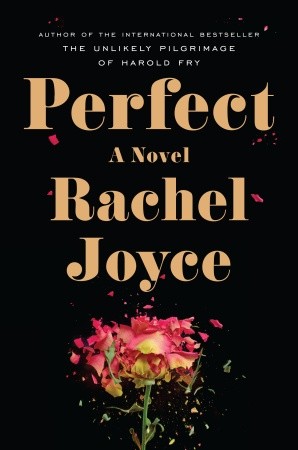
Darker than The Unlikely Pilgrimage of Harold Fry, Perfect is about a young boy whose view of the world is shattered.
I’m told that Perfect is darker than The Unlikely Pilgrimage of Harold Fry. It’s about a young boy whose view of the world is suddenly shattered.
Five  World War I Gold Star mothers travel to Europe to say final goodbyes to their sons.
Five World War I Gold Star mothers travel to Europe to say final goodbyes to their sons.
Diane Johnson explores her Midwestern roots in this memoir -- and she'll literally be returning to the Midwest as well; she visits Lake Forest in late January.
Diane Johnson explores her Midwestern roots in this memoir — and she’ll literally be returning to the Midwest as well; she visits Lake Forest in late January.
I adored Maggie Shipstead's first novel, Seating Arrangements. Her new novel is about the world of professional ballet.
I adored Maggie Shipstead’s first novel, Seating Arrangements. Her new novel is about the world of professional ballet.
A ghost story set in Vermont -- right up my alley. Chris Bohjalian liked it and I'm betting I will too.
A ghost story set in Vermont — right up my alley. Chris Bohjalian liked it and I’m betting I will too.

10 Books the Critics (And I) Loved

I’m not really a book reviewer; I’m a book recommender. If I’m reading I book I don’t like, I have no problem putting that book down and moving on to the next one in my stack.  There are far too many 9781400067558wonderful books in the world to bother with those that don’t capture my attention. That’s why I wouldn’t want to be a critic. People who agree to review books end up having to plow through a certain number of books they don’t enjoy — and then, if they’re honest, enumerate what they see as the failings of those books. I prefer to ignore the books that aren’t to my taste and to spread the good word about the ones that are. Maybe that attitude comes from 15 years of bookselling? When someone comes in the store and asks for a recommendation, I don’t point out the books that the customer wouldn’t like! If I’m asked point blank what I think of a book, and it’s one I disliked, I usually say, “It wasn’t my cup of tea”. That response covers a lot of territory. . . . although I’m always happy to expand on it.

Apparently, there is a controversy in the world of book reviewing about the value of negative book reviews. The well-regarded critic Laura Miller addressed this issue in an article for the online magazine Salon entitled “The Case for Positive Book Reviews”, stating “Critics who have a choice generally prefer to call attention to books they find praiseworthy”.

In yesterday’s New York Times review of The Death of Santini, Frank Bruni quotes the author, Pat Conroy:

I trained myself to be unafraid of critics, and I’ve held them in high contempt since my earliest days as a writer because their work seems pinched and sullen and paramecium-souled . .  No writer has suffered over morning coffee because of the savagery of my review of his or her latest book, and no one ever will.

Although Bruni finds Conroy to be self-righteous in his refusal to criticize other writers (especially, Bruni notes, when his sensitivity doesn’t seem to extend to the Conroy family members who are used as material in his books), I appreciate Conroy’s position. Jacob Silverman, a columnist and book reviewer, does not.  In an article in Salon,  “Against Enthusiasm: The Epidemic of Niceness in Online Book Culture”, Silverman argues that there is a place for critical voices and negative reviews, saying “reviewers shouldn’t be recommendation machines” — that they should all “think more and enthuse less”. I appreciate his position as well — but I would rather keep my negative thoughts to myself.

cover-1I certainly respect the work that book critics do, and I am an enthusiastic reader of book reviews. Every Sunday, the book review section is the first one I pull out of the paper. I know I could read it earlier, when it arrives in the mail at the store, or online, but I like the ritual of reading it on Sundays. During the week, I read other book reviews online, in magazines, and in newspapers, but there is something special about the Sunday New York Times Book Review. I have a love-hate relationship with the Book Review — I’m mystified, and frequently annoyed, by the editors’ choices of books they deem worthy of review. But when I read a review of a book that I thought was terrific and find that the Times thought it was terrific too, I feel validated as a reader.

Here is a list of 10 books published in the last year or two that I loved, and that the critics loved as well. (Maybe sometime I’ll make a list of books that I thought were wonderful that the critics dismissed.)

And the Mountains Echoed by Khaled Hosseini; reviewed by Michiko Kakutani/New York Times www.nytimes.com/2013/05/21/books/and-the-mountains-echoed-by-khaled-hosseini.html

Behind the Beautiful Forevers by Katherine Boo; reviewed by Janet Maslin/New York Times www.nytimes.com/2012/01/31/books/katherine-boos-first-book-behind-the-beautiful-forevers.html

Big Brother by Lionel Shriver reviewed by Julie Myerson/The Observer www.theguardian.com/books/2013/may/11/big-brother-lionel-shriver-review

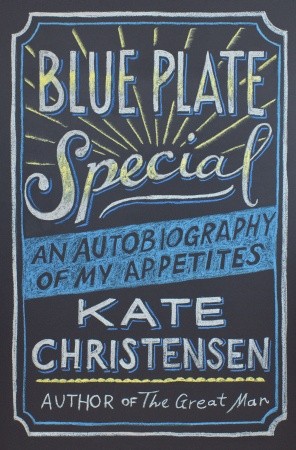
Blue Plate Special by Kate Christensen reviewed by Max Watman/Wall Street Journal online.wsj.com/news/articles/SB10001424127887324354704578636141281560474

Lost Girls: An Unsolved American Mystery by Robert Kolker reviewed by Mimi Swartz/New York Times www.nytimes.com/2013/07/07/books/review/lost-girls-by-robert-kolker.html

The Orphan Master’s Son by Adam Johnson reviewed by Michiko Kakutani/New York Times www.nytimes.com/2012/01/13/books/the-orphan-masters-son-by-adam-johnson-review.html?pagewanted=2a

9780062236678-1The Painted Girls by Cathy Marie Buchanan reviewed by Susan Vreeland/Washington Post articles.washingtonpost.com/2013-01-21/entertainment/36472794_1_dancers-sisters-marie-van-goethem

Sister Mother Husband Dog (Etc.) by Delia Ephron reviewed by Elinor Lipman/New York Times www.nytimes.com/2013/09/15/books/review/delia-ephrons-sister-mother-husband-dog-etc.html

This Is the Story of a Happy Marriage by Ann Patchett reviewed by Maureen Corrigan/NPR www.npr.org/2013/11/13/244996958/a-marriage-a-divorce-a-dying-dog-and-essays-done-right

With or Without You by Domenica Ruta reviewed by Margaux Fragoso/New York Times www.nytimes.com/2013/03/24/books/review/with-or-without-you-by-domenica-ruta.html?pagewanted=2&_r=0


Fall Reading, Part 2 — Top 10 Lists

Last week I attended the Heartland Fall Forum,  a conference for independent booksellers. Book nerds from all over the Midwest gathered to “meet, network, promote new titles, place orders, and learn crucial skills”. (That’s from the official literature.) It was, as promised, very informative, and loads of fun as well.  Sue Boucher was asked to present her favorite books for fall at the Buzz Panel session; unfortunately,  I couldn’t attend because I was at the social media session,  creatively titled “Tweak Your Tweets”.  I learned a lot about Twitter at that session,  and have actually started tweeting. Right away, I attracted some followers — including someone whose name I can’t reproduce here because it’s in a foreign alphabet, and another person who seems to be running an escort service.

Another thing I learned at the social media session was that people like to read lists. This made sense to me because I like to read lists, but then I realized I like to read almost anything, including cereal boxes and church bulletins. Anyway, I thought Sue put together a great list of 10 new books to read this fall:

  • The Daughters of Mars (Thomas Keneally) — Australian author Keneally won the Booker Prize for Schindler’s List; his new novel tells the story of two sisters, both nurses, who leave their home in Australia to join a hospital ship at the beginning of World War I.
  • Empty Mansions: The Mysterious Life of Huguette Clark and the Spending of a Great American Fortune (Bill Dedman and Paul Clark Newell Jr.) —  Dedman (who won a Pulitzer Prize for journalism) is a cousin of Huguette Clark, the heiress who grew up in the largest house in New York City yet lived the last 20 years of her life in a single room.
  • A Guide for the Perplexed (Dara Horn)– Three interconnected narratives (from the Book of Genesis, medieval philosophy, and modern technology) explore the meaning of memory.
  • The Last First Day (Carrie Brown) — A quiet and beautiful love story about a couple facing their retirement from a private boys’ school.cover
  • Longbourn (Jo Baker) — For fans of Jane Austen and Downton Abbey — Pride and Prejudice from the point of view of the servants.
  • The Lowland (Jhumpa Lahiri) — Two brothers grow up together in India; one becomes involved in radical politics and one travels to the United States to pursue an academic career . . . and they both end up marrying the same woman.
  • The Outcasts (Katherine Kent) — A great romp! A woman escapes from a Texas brothel and finds herself on the run from the law.
  • The Rosie Project (Graeme C. Simsion) — Reminiscent of The Curious Incident of the Dog in the Night-Time, this is an absolutely delightful story about a brilliant yet socially challenged professor on the hunt for a wife.
  • The Signature of All Things (Elizabeth Gilbert) — Yes, the same Elizabeth Gilbert who wrote Eat Pray Love and Committed. But this novel is a total departure from Gilbert’s two memoirs — it’s about a 19th century female botanist.
  • Someone (Alice McDermott) — Like The Last First Day, this is a quiet book — the simple, beautifully written story of an ordinary woman, her life, and family.

My book club met last week and we came up with our own list of books. We hadn’t met all summer, and the purpose of our meeting was for us to share our favorite books we had read over the past few months. Here are 10 books our members suggested:

  • Sharp Objects  (Gillian Flynn) — Flynn’s debut novel is just as dark and disturbing as Gone Girl.
  • Yonahlossee Riding Camp for Girls (Anton DiSclafani) — A coming of age story set in the Blue Ridge Mountains in the 1930s.
  • The Burgess Boys  (Elizabeth Strout) — The author of Pulitzer-Prize winner Olive Kitteridge returns with the story of three siblings leading very different lives.
  • Rules of Civility (Amor Towles) — One of those rare books everyone loves. In Depression-era New York, a young secretary catapults into high society.1-dbda025b04
  • The Other Wes Moore (Wes Moore) — Nonfiction account of two men named Wes Moore — one a Rhodes Scholar, decorated war veteran, and White House Fellow and one a convicted murderer serving a life term in prison.
  • Flat Water Tuesday (Ron Irwin) — One reviewer called it “A Separate Peace with rowing”.
  • The Perfume Collector (Kathleen Tessaro) — A young woman in London receives a mysterious inheritance that takes her to an old Parisian perfume shop. Packed with information about how perfume is made.
  • Beautiful Ruins (Jess Walter) — The New York Times loved this book just as much as Madonna Merritt, our book group recommender, calling it a “high-wire feat of bravura storytelling”.
  • Stations of the Heart: Parting With a Son (Richard Lischer) — Lischer, a professor of theology at Duke, has written a beautiful tribute to his son, who died at age 33 of melanoma.
  • Sutton (J.R. Moehringer) — Moehringer, author of The Tender Bar (a book group favorite), succeeds admirably at his first foray into fiction. Famous bank robber Willie Sutton was a complicated and brilliant man, full of contradictions.
Thank you, Diane Grumhaus — who served as book club hostess and scribe!