WWW Wednesday — New Year’s Eve

What did you just finish reading? What are you currently reading? What do you think you’ll read next?

9781607747307First of all, based on how my clothes are fitting, I SHOULD be reading one of the zillions of diet books that magically appear on bookstore shelves this time of year. The Bulletproof Diet: Lose Up to a Pound a Day, Reclaim Energy and Focus, Upgrade Your Life  . . . The Burn: Why Your Scale is Stuck and What to Do About It  . . . 20 Pounds Younger: The Life-Transforming Plan for a Fitter, Sexier You! I’m particularly intrigued by Zero Belly Diet: Lose Up to 16 Lbs. in 14 Days! Unfortunately, the only surefire method I know for losing weight quickly is a case of the flu, and I’m trying to avoid that.

I did just read a book related to self-improvement: The Life-Changing Magic of Tidying Up: The Japanese Art of Decluttering and Organizing, by Marie Kondo. Recently published in the United States after hitting the bestseller lists in Japan and Europe, this is no ordinary guide to household management. Kondo is more of a Zen philosopher than an organizational expert. For example, most professional organizers advise clients to get rid of clothes they haven’t worn in a year. Kondo tells her readers to remove every item from their closets, determining which items “spark joy”.  New York Times writer Penelope Green tested Kondo’s advice and found it surprisingly effective: Read more

Giving the Gift of Reading

The greatest gift is a passion for reading.
Elizabeth Hardwick

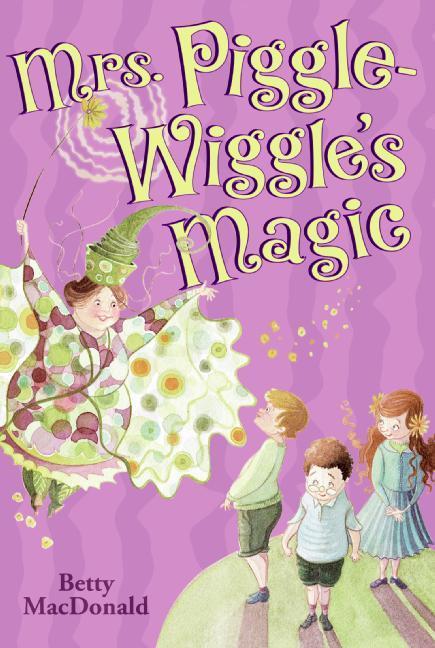
There’s nothing as cozy as a piece of candy and a book.
Betty MacDonald, Mrs. Piggle-Wiggle’s Magic

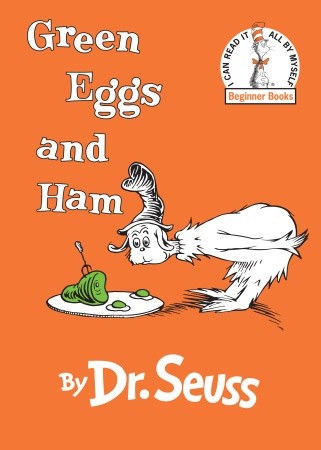
www.randomhouseThe buzzword in college applications today is “passion”. Every applicant is supposed to have one, and woe to the poor teenager who’s just trying to get through adolescence, not to mention chemistry and the Common App. Fortunately, when I was in high school, no one asked me if I had a “passion”. But if I’d had to answer that awful question, I would have said I was passionate about reading. I always have been, ever since I deciphered the words to Dr. Seuss’s Green Eggs and Ham. (My parents, convinced I had memorized the book, kept trying to trick me by skipping pages, but I was on to them.)

From that time on, the world was hers for the reading. She would never be lonely again, never miss the lack of intimate friends. Books became her friends and there was one for every mood. There was poetry for quiet companionship. There was adventure when she tired of quiet hours. There would be love stories when she came into adolescence and when she wanted to feel a closeness to someone she could read a biography. On that day when she first knew she could read, she made a vow to read one book a day as long as she lived.
Betty Smith, A Tree Grows in Brooklyn

9780060736262I am very grateful that my parents and grandparents read to me, bought me books, took me to the library, and were avid readers themselves. I can still hear Nana’s musical voice reading A.A. Milne and e.e. cummings to me. And I remember the cozy feeling of Granny’s lap as she read The Funny Thing to my cousins and me. (“And very good they are, jum-jills” — does anyone remember that?) Her house was crammed with books — I discovered everything from The Catcher in the Rye to The Rise and Fall of the Third Reich to Georgette Heyer’s romances on her shelves.  Dad read us The Yearling and The Wind in the Willows, and often gave in when I begged for one more chapter. I recall my mother’s delight when she found the Betsy-Tacy books (favorites from her childhood) on a library shelf.

Scan 76
Storytime with Gramps

There are countless organizations devoted to literacy and the joy of reading. Please consider giving your time, your money, and/or your books to one of them. Two of my local favorites are Open Books and  Bernie’s Book Bank. Open Books, a nonprofit that promotes literacy through school and community programs, helps fund its operations through two absolutely beautiful used bookstores in Chicago. Bernie’s Book Bank facilitates the collection, processing and redistribution of new and gently used children’s books to increase book ownership among at-risk children throughout the Chicago area. Both of these organizations would love your “pre-read” books. Wherever you live, there’s a literacy group that would appreciate your gift.

9780064401517During this holiday season, give yourself a present — treat yourself to some time with a good book.  Do as Mrs. Piggle-Wiggle suggests and eat some candy, too. You can worry about calories in January.

When Molly O’Toole was looking at the colored pictures in Mrs. Piggle-Wiggle’s big dictionary and just happened to be eating a candy cane at the same time and drooled candy cane juice on the colored pictures of gems and then forgot and shut the book so the pages all stuck together, Mrs. Piggle-Wiggle didn’t say, “You must never look at books when you are eating.” She said, “Let’s see, I think we can steam those pages apart, and then we can wipe the stickiness off with a little soap and water, like this-now see, it’s just as good as new. There’s nothing as cozy as a piece of candy and a book.”


5 Books NOT To Give This Holiday Season

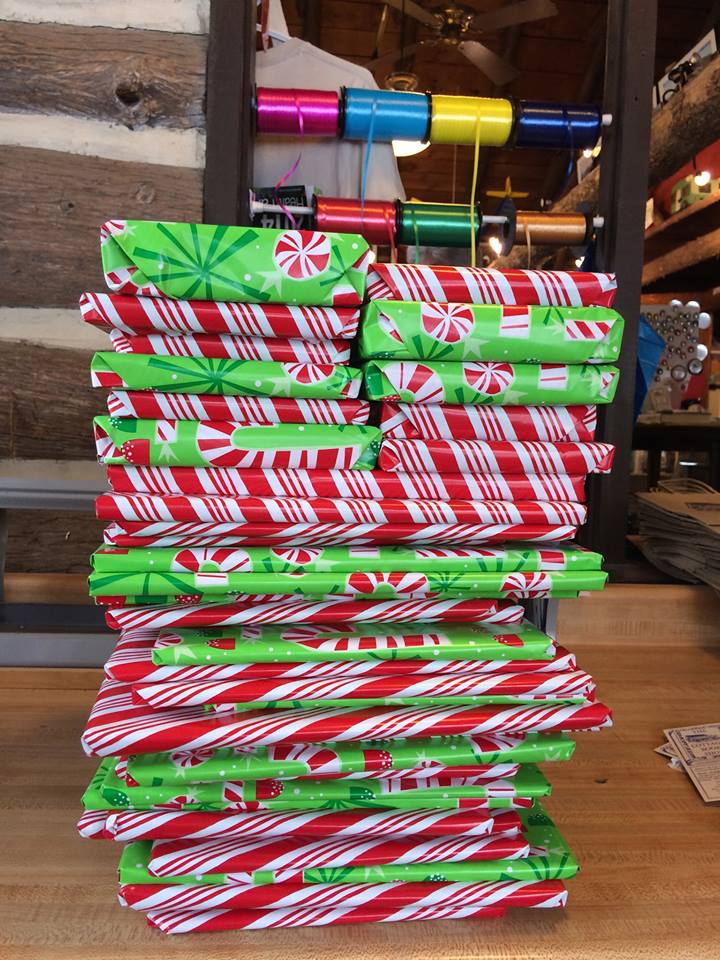
Books for the holiday book drive in Glen Arbor, Michigan

A book is a gift you can open again and again.  Garrison Keillor

Books make great gifts because they have whole worlds inside of them.  Neil Gaiman

Garrison Keillor and Neil Gaiman both state what we booksellers believe with all our hearts: books make the best gifts. But books, like all gifts, can be tricky to choose. There’s no such thing as one size fits all when it comes to books. We all have books sitting on our shelves that were given with the best of intentions — and that we will never open, much less again and again. I feel a little twinge of guilt every time I see the bright yellow cover of Heaven is for Real in my stack. I know I’m never going to read it . . . but it was a gift, and I can’t bring myself to donate it to the library book sale. That book isn’t my cup of tea, but at least it’s not insulting. I have a friend who actually received a book on weight loss as a birthday present. (She’s not overweight, but which is worse? Giving a diet book to someone who’s overweight or someone who’s not?)

Besides diet books, what else should you think hard about giving?

  1. Books you think a person SHOULD read. Example: grandparents who buy beautiful hardcover editions of beloved classics for teenagers. Pride and Prejudice makes a lovely gift IF you have an Austen-loving granddaughter. But if you have a granddaughter who loves YA dystopian novels, best to stick with those.
  2. Cookbooks; they should only be given to people who actually like to cook. (Exceptions: newlyweds or recent graduates. Everyone needs some basic cookbooks. They may not be thrilled to receive them, but they need them.) I used to interrogate men who bought cookbooks for their wives: “Are you sure she wants this? Wouldn’t she rather have a nice juicy novel?” I have softened over the years and now I just mind my own business and wrap the cookbook, knowing it can always be exchanged.
  3. Goodnight Moon. Every new baby receives multiple copies of Goodnight Moon. Pick a lesser-known favorite, and if the baby has siblings, choose a brand-new picture book. Chances are the family already has the classics.
  4. The big blockbuster of the season that everyone is reading (or says they’re reading) and that is popular with both genders and all age groups. Three years ago, that book was Walter Isaacson’s Steve Jobs. Many of those books came right back to the store in January. I admit I was one of those who jumped on the Steve Jobs bandwagon; I don’t think my friends returned the books, but you never know . . .
  5. Books that carry a lot of emotional weight. Gift books should come with no strings attached. Maybe it’s just me, but my heart sinks when I receive a book with an inscription. Although apparently not everyone feels that way. A couple of years ago, a young man came into our store and returned a book on Bob Dylan he’d received for Christmas. It wasn’t until after he’d left the store that I noticed the inscription: “Dear _____ , Since we are both Dylan fans, I know you will love this book as much as I did. Enjoy! XXOO _____”.
1. Books work straight away. No batteries required. 2. Books are easy to wrap. We wrap for you! 3. You don't have to fret about size or color. 4. There's a book for every kind of person. :) 5. You can do all your shopping in one place . . . here!!!
1. Books work straight away. No batteries required.
2. Books are easy to wrap. We wrap for you!
3. You don’t have to fret about size or color.
4. There’s a book for every kind of person. 🙂
5. You can do all your shopping in one place . . . here!!!

Working in a bookstore over the holidays is a lot of fun; it’s rewarding helping people choose books for people they care about. It can also be challenging, especially when we are asked to find books for a nephew who doesn’t like to read;  a father-in-law who is extremely conservative and likes large print; and a mother who likes mysteries that aren’t too violent. But, as our chalkboard says, there’s a book for every kind of person.

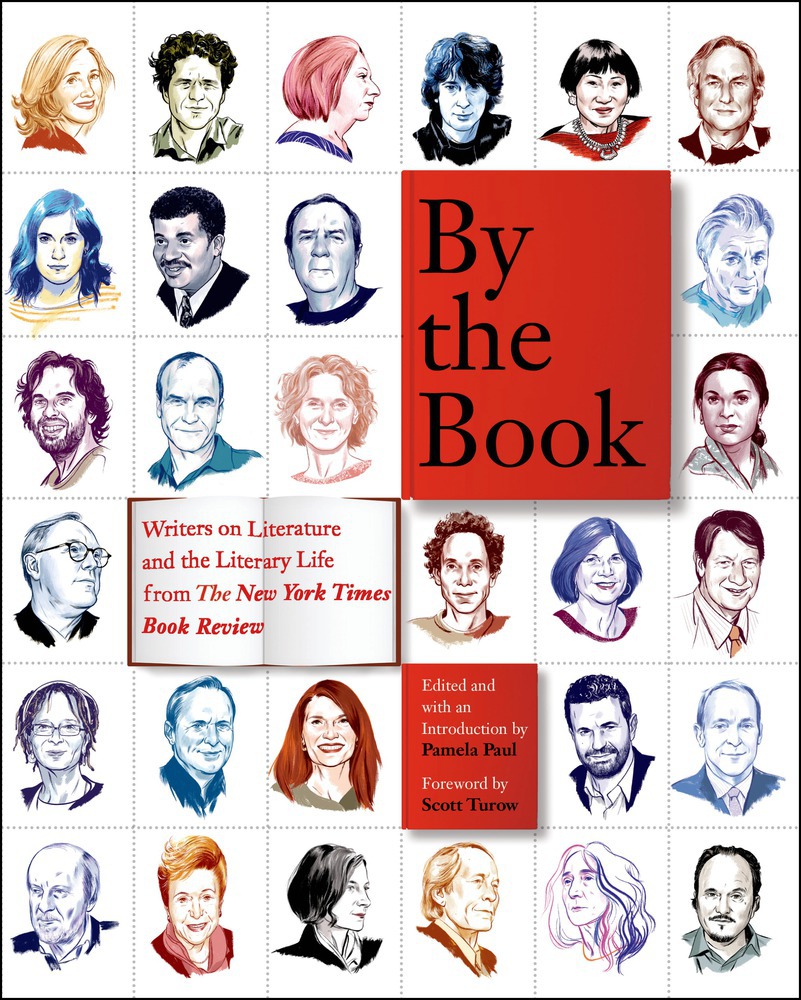
My favorite gift book this season is By the Book: Writers on 9781627791458Literature and the Literary Life from The New York Times Book Review. It’s a collection of columns from the “By the Book” column that appears in the Book Review every Sunday. Authors  are asked a series of questions, such as “What book is on your nightstand right now?”, “What was the last book that made you cry?”, and “What books might we be surprised to find on your shelves?” About 70 authors are included — everyone from  David Sedaris to Carl Hiaasen to J.K. Rowling. As the editor, Pamela Paul, says:

We all want to know what other people are reading. We peer at strangers’ book covers on an airplane and lean over their e-books on the subway . . . When I launched By the Book in The New York Times Book Review, it was an effort to satisfy my own genuine, insatiable desire to know what others — smart people, well-read people, people who are good writers themselves — were reading in their spare time. The idea was to stimulate a conversation about books, but one that took place at a more exalted level than the average water cooler chat. That meant starting big, and for me that meant David Sedaris. Who wouldn’t want to know which books he thinks are funny? Or touching or sad or just plain good?

In coming up with the questions for David Sedaris, and then for those who followed, I decided to keep some consistent — What book would you recommend to the president to read? — while others would come and go. If you’re going to find out what books John Grisham likes, you’ve got to ask about legal thrillers. When talking to P.J. O’Rourke, you want to know about satire.

Ann Patchett, who is one of the interview subjects in By the Book, is also the owner of Parnassus Books in Nashville. Her store has a wonderful blog, and today’s post (“What Book People Give When They Give Books: The Ultimate Holiday Guide”) lists some spot-on gift-giving suggestions for the readers on your list.  The clever categories include “for the party host, a better gift than a bottle of wine”, “for anyone who’s looking for a book as good as Unbroken“, “for the picky, discriminating book addict who has already read everything on earth”, and “for anyone whose soul is not made of ice and rocks”.

Happy Black Friday — stay home with a good book! If you’re lucky enough to have an independent bookstore nearby, tomorrow (Small Business Saturday) is a great day to stop by for some recommendations.


Why I’m Grateful to Fiction Writers

9781410468895Let us be grateful to the people who make us happy; they are the charming gardeners who make our souls blossom.
Marcel Proust

An author makes you notice, makes you pay attention, and this is a great gift. My gratitude for good writing is unbounded; I’m grateful for it the way I’m grateful for the ocean.
Anne Lamott

I recently finished a 4-week creative writing course called “A Story a Day”. Do you know how hard it is to write a story a day? Every day, for four weeks, the instructor emailed a prompt. On Wednesday evenings, we met and discussed the stories we’d written during the week, as well as a story by a published author that illustrated the theme of the week — plot, characterization, dialogue, etc.

Actually, I shouldn’t say I finished this course. I still have quite a few outstanding assignments. Some of the prompts left me absolutely bewildered. I especially had a hard time with the ones that required me to move outside my “comfort zone” and write speculative fiction. I learned that my comfort zone  — would that be my imagination? — is very limited and that I am not interested in writing (or reading) speculative fiction.

What else did I learn? I learned that it is really, really difficult to write fiction. You know the little disclaimer in novels that says something to the effect of “Any resemblance to actual persons, living or dead, is coincidental”? My characters almost all have some resemblance to real people. I am amazed by writers who imagine and create unique, fully formed characters. As I’ve mentioned before, I don’t care if the characters are likable; I just want to believe in them. As Claire Messud said, “If you’re reading to find friends, you’re in deep trouble. We read to find life, in all its possibilities. The relevant question isn’t ‘Is this a friend for me?’ but ‘Is this character alive?'”  (That being said, it is a wonderful reading experience when a character not only comes alive on the page but makes his or her way into your heart.)

This year, I read some spectacular novels. I want to thank 10 writers (some of whom are debut novelists) for creating memorable characters and stories.
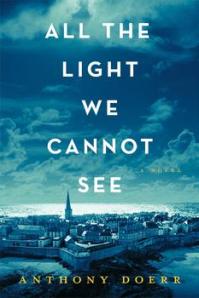
cvr9781476746586_9781476746586_lgAnthony Doerr, who spent 10 years writing All the Light We Cannot See, my favorite novel of 2014.

Gabrielle Zevin, who created my favorite character this year, the cantankerous A.J. Fikry, in her love letter to the book business — and to reading — The Storied Life of A.J. Fikry.

Erin Lindsay McCabe, who brought both my husband and me to tears in her debut novel, I Shall Be Near to You, a tender love story about a headstrong young woman who disguises herself as a man and follows her husband into battle in the Civil War.

Matthew Thomas, whose first novel, We Are Not Ourselves, is a masterpiece. Like Anthony Doerr, it took him 10 years to write his book.  Both an epic novel of the 20th century in America and an intimate story of a marriage and family, We Are Not Ourselves amazed me with its sympathy for its complex and flawed characters.

Laura McBride, whose debut novel, We Are Called to Rise, chronicles the lives of four very different Las Vegas residents (a young immigrant boy, a social worker, a war veteran turned police officer, and the officer’s mother) in a heartbreaking but ultimately hopeful story.

E. Lockhart, who made me a convert to well-written young adult literature with her poetic and tragic novel, We Were Liars. I knew from the first page I was reading something extraordinary, because the voice of Cadence, the teenage narrator, struck me as completely authentic.9780062285508
Julia Glass, who brought some of my favorite characters from Three Junes back to the page in And the Dark Sacred Night. Glass’s characters are imperfect, sometimes likable, sometimes annoying, but always interesting and fully textured.

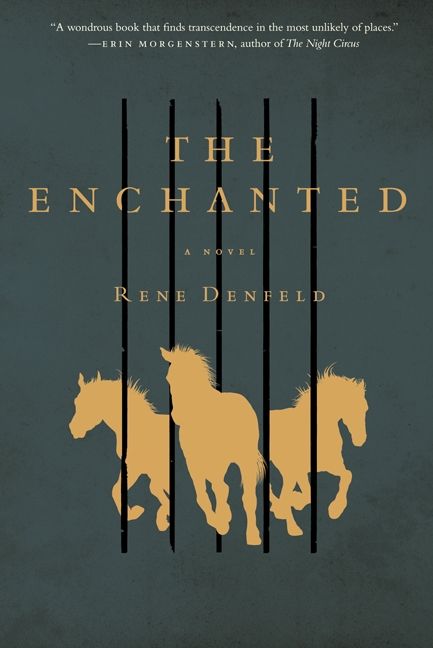
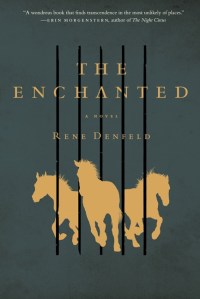
Rene Denfeld, who is such a skilled writer that she made me feel compassion for a prisoner on death row, who has committed a crime “too terrible to name” in her debut novel, The Enchanted.

Thrity Umrigar, who created two unforgettable characters (an uneducated Indian immigrant and her therapist) in The Story Hour. Umrigar was also kind enough to send me a long, thoughtful email answering some questions I raised in my review of her novel.

9780062365583Sebastian Barry, who always awes me with his beautiful writing, and broke new ground in The Temporary Gentleman, the story of an Irishman who makes some wrong turns in life and ends up as an expatriate in Africa after World War II.

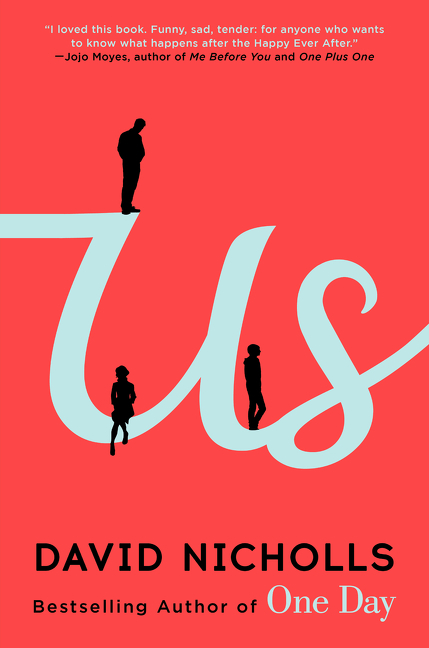
David Nicholls, who wrote Us, a delightful romantic comedy about a marriage that may or may not have run its course. In the words of my coworker, Max, it includes “just enough humor to counteract the bittersweet”.  The characters, especially Albie, the sullen teenage son, drove me crazy — just like real people.

Which novelists are you most grateful for this year?

Have a wonderful Thanksgiving, and I hope you have some time to read over the long weekend!


Remembering World War I

Verdun
Verdun

Published at 11:11 a.m. on 11/11

Armistice Day — first celebrated on November 11, 1919 to commemorate the end of World War I — officially became Veterans Day in 1954, when President Eisenhower signed legislation that ensured that American veterans of all wars would be honored every November 11. In France and Belgium, Armistice Day (Armistice de la Première Guerre mondiale) is observed on November 11 as well. (British Commonwealth countries refer to Armistice Day as Remembrance Day, or Poppy Day.) This year, special events are planned in Europe because 2014 marks the 100th anniversary of the outbreak of World War I. Today, French President François Hollande, British Prime Minister David Cameron, and German Chancellor Angela Merkel will inaugurate the International Memorial of Notre Dame de Lorette, a “Ring of Remembrance” at Ablan Saint Nazaire in northern France, near the Belgian border. The stunning new memorial is located on a plateau overlooking France’s largest military cemetery.

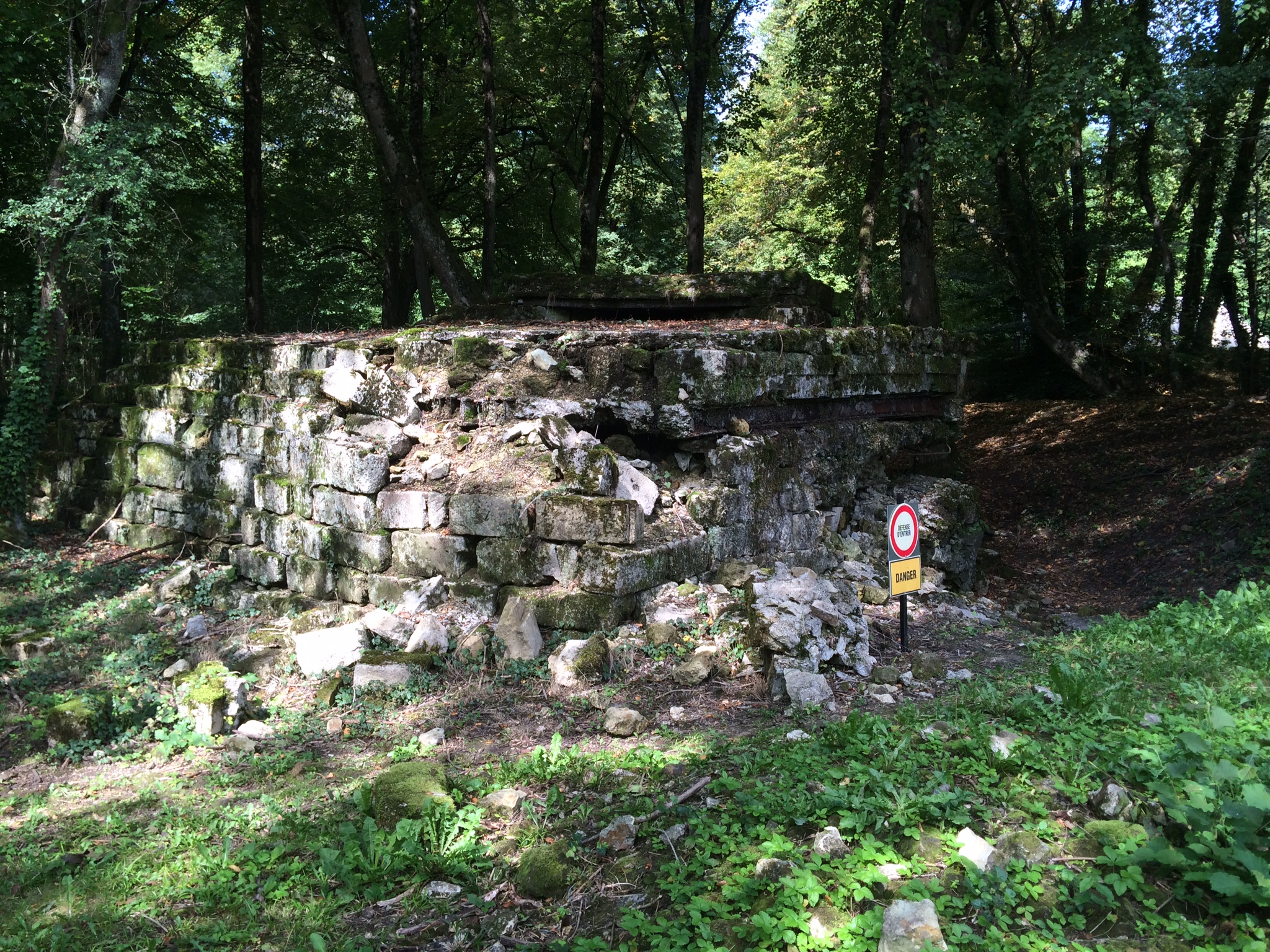
In September, Jeff and I visited Verdun, site of one of the longest and bloodiest battles in World War I. To this day, many areas where the ten-month battle took place are off-limits because of unexploded munitions. Trenches and huge bomb craters define the landscape, and ruined villages have been left as memorials. Our knowledgeable tour guide provided an interesting French perspective on World War I and arranged for lunch at the informal museum of Jean-Paul de Vries, a charismatic local resident who has found more than 30,000 World War I artifacts in the countryside near his home.

Richard Rubin, author of The Last of the Doughboys: The Forgotten Generation and Their Forgotten World War, explored the battlefields with M. de Vries and visited his two-story garage:

I call it a garage because it had a vehicle door in front and sat in the midst of a village, but inside it was much more like a barn with a large loft. Whatever it once was, it is now full of locally found bayonets, rifles, grenade launchers; trench knives, “persuaders”, entrenching tools; helmets, gas masks, wristwatches; mess kits, eating utensils, pots, pans, jugs; horseshoes, saddles, harnesses, ammunition crates, wicker shell carriers; Bibles and religious statuettes; enough bottles to supply several bars and pharmacies; and many, many photographs . . .

It’s a museum . . . haphazard and compelling, wondrous and sad. M. de Vries accepts donations but does not charge admission. Everything he has here was offered up to him, for free, by the earth. Experts say France’s World War I battlefields will continue to regurgitate artifacts of that war for another two or three centuries.

I’ve read a lot of historical fiction about World War I, but my husband is the expert when it comes to actual history. In addition to The Last of the Doughboys, his collection of World War I nonfiction includes the following (and many more):

Poilu: The World War I Notebooks of Corporal Louis Barthas, Barrelmaker, 1914-1918 —  A new translation of the actual wartime diaries of a French soldier. Barthas spent four years in almost constant combat, fightingIMG_0180 in every major French battle. Somehow he managed to chronicle his experiences in a series of notebooks. When he arrived home, he added information (letters, official reports, clippings, etc.), eventually filling 19 volumes. (By the way, “poilu” means “hairy one” in French and is the French version of the American “doughboy” — an infantryman.)

The Missing of the Somme (Geoff Dyer) — Dyer, the grandson of a veteran of the Battle of the Somme, has written what the Wall Street Journal calls “a lyrical meditation on memory and the meaning of World War I”.

To End All Wars: A Story of Loyalty and Rebellion, 1914-1918 (Adam Hochschild) — The New York Times describes Hochschild as “a historian ‘from below’, as it were, or from the viewpoint of the victims. He stays loyal to this method in “To End All Wars,” concentrating on the appalling losses suffered by the rank and file and the extraordinary courage of those who decided that the war was not a just one” and adds that “this is a book to make one feel deeply and painfully, and also to think hard.”

The Pity of War: Explaining World War I (Niall Ferguson) — Controversial British historian argues that World War I was not inevitable, as other historians have claimed, but can be almost entirely blamed on the actions of Great Britain.

I enjoyed Stanley Weintraub’s Silent Night: The Story of the World War I Christmas Truce. In 1914, 100,000 soldiers on the Western Front took part in a temporary cease-fire on Christmas Eve. The last survivor of the truce, Sgt. Alfred Anderson of Scotland’s Fifth Battalion Black Watch, died in 2005 at the age of 109.

There are no living World War I veterans today . . . but there are plenty of other veterans to thank for their service.


Beyond Macbeth — Books Set in Scotland

9780451526779HYesterday’s leading news story was Scotland’s vote against independence from Great Britain. As I watched the morning news, my thoughts turned away from politics and economics and went straight to literature. I thought of Macbeth, and wondered what the current-day residents of Cawdor Castle think of Scotland’s decision. (As I’ve mentioned, Macbeth  — always referred to as “the Scottish play” by superstitious theater people  —  is my favorite Shakespeare play. Perhaps because it’s the first one I ever read?)

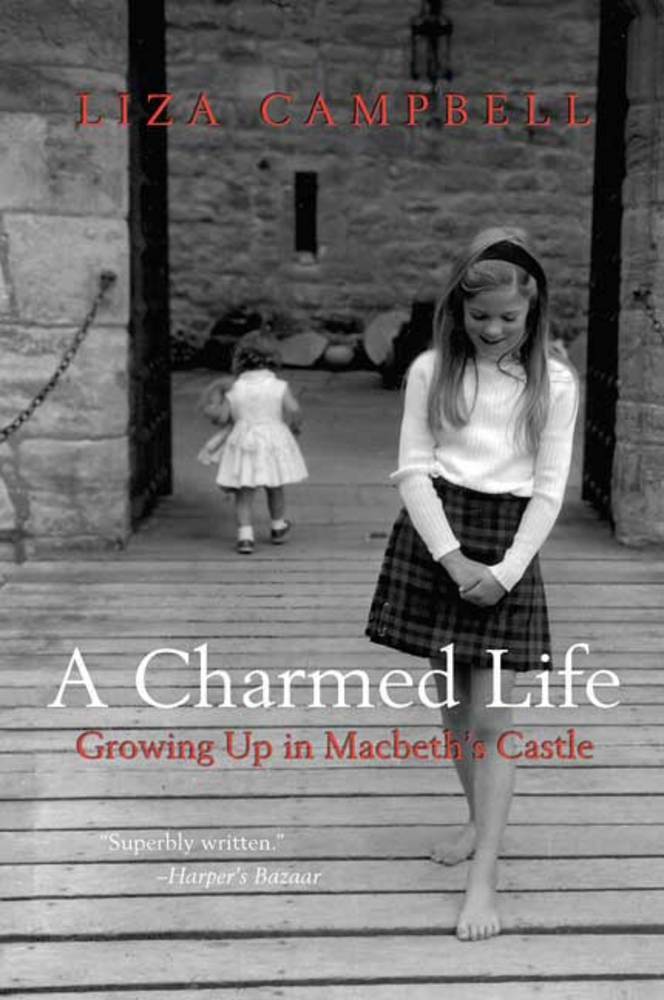
Several years ago, I read a fascinating memoir by Liza Campbell called A Charmed Life: Growing Up in Macbeth’s Castle. Campbell, the daughter of the real-life Thane of Cawdor, was the last child born in the actual castle associated with Shakespeare’s play. The memoir itself is garden-variety family dysfunction: drugs, domestic abuse, extramarital affairs, money problems. What interested me was the history of the Cawdor estate. Today, Liza Campbell is a vocal member of the Hares, a group of aristocratic British women supporting the Equality (Titles) bill, also known as the “Downton Abbey” law, 9780312384968which would allow first-born daughters to inherit titles.

As I thought more about books set in Scotland, I realized I haven’t read many.  I’ve read countless books set in England and Ireland, but I’ve neglected Scotland.  I’ve never read Diana Gabaldon’s Outlander series . . . or Alexander McCall Smith’s 44 Scotland Street series. I haven’t read anything by Kate Atkinson, Ian Rankin, or Irvine Welsh.  Also, I have never been to Scotland. A friend and her daughter went to the Edinburgh Book Festival last month and had a marvelous time. Jeff has always wanted to play golf in Scotland; maybe next summer we could combine a trip to Edinburgh with a visit to St. Andrews?

If we do visit Scotland, the first book on my reading list will be How the Scots Invented the Modern World: The True Story of How Western Europe’s Poorest Nation Created the Modern World and Everything In It by Arthur Herman. Everything? Sounds like a bold claim, and certainly warrants further investigation.

I did a quick Google search on “Scottish literature” and found that most of the recommended books are bodice-rippers featuring handsome and lusty Scotsmen. Apparently the Scottish highlands are the place to go if you’re looking for romance. A few of the suggested titles are: To Tame a Highland Warrior, In Bed With a Highlander, Taming the Scotsman, How to Abduct a Highland Lord, Thirty Nights With a Highland Husband. Need I go on?

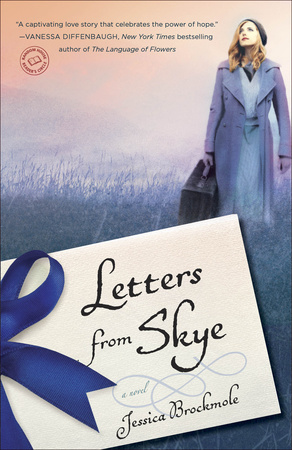
9780345542625I did recently read an absolutely charming novel that takes place in Scotland — specifically, on the remote Isle of Skye. Jessica Brockmole’s Letters from Skye is written entirely in letters, starting just before World War I and ending after World War II. Publishers Weekly says that it’s a “remarkable story” in which “the beauty of Scotland, the tragedy of war, the longings of the heart, and the struggles of a family torn apart by disloyalty are brilliantly drawn, leaving just enough blanks to be filled by the reader’s imagination.”

After I read Letters from Skye, I remembered that Virginia Woolf’s masterpiece, To the Lighthouse, is set on the Isle of Skye. It’s one of my most beloved books; my old paperback copy is falling apart. Here’s one of my favorite passages:

What is the meaning of life? That was all — a simple question; one that tended to close in on one with years. The great revelation had never come. The great revelation perhaps never did come. Instead there were little daily miracles, illuminations, matches struck unexpectedly in the dark; here was one.

Three Junes, the debut novel of Julia Glass (one of my favorite authors), won the National Book Award for fiction in 2002. The book is actually three linked novellas about a Scottish family, the McLeods. The story develops over the course of three Junes in the late 20th century, and in Scotland, the United States, and Greece. Many of the characters reappear in Glass’s later novels.

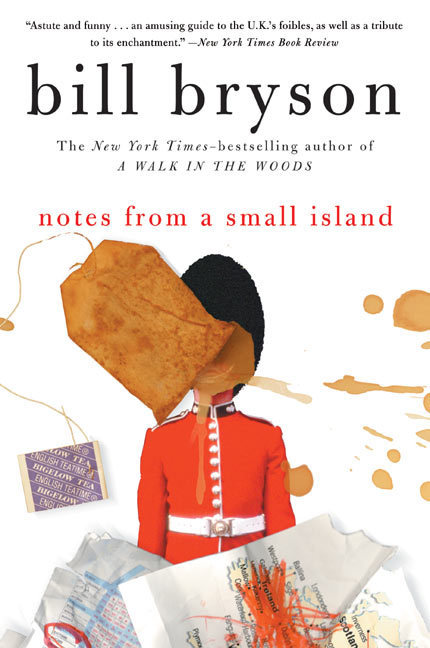
9780380727506Bill Bryson is always entertaining and informative. In Notes from a Small Island, Bryson recounts his trip exploring  — using only public transportation — the nooks and crannies of England, Scotland, and Wales. Here’s his description of arriving in Edinburgh:

And so I went to Edinburgh. Can there anywhere be a more beautiful and beguiling city to arrive at by train early on a crisp, dark Novembery evening? To emerge from the bustling, subterranean bowels of Waverley Station and find yourself in the very heart of such a glorious city is a happy experience indeed. I hadn’t been to Edinburgh for years and had forgotten just how captivating it can be  . . .  Every bookshop window was full of books about Scotland or by Scottish authors. And of course the voices were different. I walked along, feeling as if I had left England far behind . . .

I’d like to see those bookshop windows myself. I just hope they’re not packed with piles of Ravished by a Highlander and Seduction of a Highland Lass.

Wonder Woman and Me

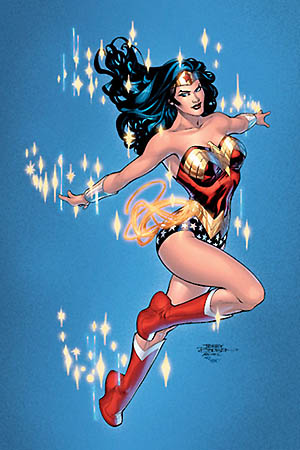
WonderWomanV5When I started Books on the Table last September, it didn’t really occur to me that people I didn’t know would read it. I thought the blog would be a fun creative outlet and a way for me to share my love of books with friends and acquaintances. Obviously, I had a lot to learn. Most of my readers, as far as I can tell, are people I’ve never met. They’ve found the blog through friends of friends, with the help of Google and other search engines, via links on other blogs and social media . . . and because they are fans of Lynda Carter, a.k.a. Wonder Woman.

A little background for those of you who didn’t grow up in the 1970s: Wonder Woman, Amazon warrior princess of comic book fame, was played by Lynda Carter on TV from 1975 through 1979. Lynda also was Miss World USA in 1972 and has had a successful acting and singing career. And it turns out that Lynda is the aunt of Michaela Carter, independent bookstore owner and author of the recently published novel, Further Out Than You Thought.

I thought Further Out Than You Thought was a terrific novel, albeit a little edgier than the fiction I usually read, and posted a positive review on the blog. I received some comments, including a nice message from the author, and moved on to the next review. Then, a few days later, I got a notification from WordPress that there was unusually high activity on my blog. I assumed that the blog was hacked . . . but I soon learned that Wonder Woman was at work. She had shared my review with the hundreds of thousands of people who follow her on Facebook and Twitter: “So proud of my niece, Michaela Carter’s first novel”.  It seems that a lot of Lynda’s fans — including someone from the Lynda Carter Fan Club of Latin America — reposted the review as well. For a couple of days, my blog traffic was 10 times what it usually is.

If anyone had asked me a couple of weeks ago what the most popular posts over the past year have been, I would have said 10 Books to Read This Summer (At the Beach or Not), 10 Books for “Carnivorous” Readers, 10 Gateway Books for Teenagers — you get the idea. People seem to love lists of book recommendations. I never would have imagined that a review of a debut novel would have been my most popular post.

My first year of blogging has been a learning experience, full of surprises. As parents tell their kids, be careful what you post on the Internet. You never know who’s going to see it — maybe even a woman with superpowers. I’m grateful to all the book lovers I’ve had the chance to connect with through Books on the Table. Thank you for reading, commenting, and sharing!

STL300_border


How To Choose Great Book Club Books

coverI originally posted my tips for choosing book club books in February –probably not the month when most book clubs are deciding what to read for the upcoming year. I’m reposting in September because so many book clubs meet for an academic year, starting in the fall. I’ve also included a list of some great new books full of material for discussion, with an eye toward books that may have been overlooked.

“What’s our next book?” — the dreaded question facing every book club. Here are some suggestions to help increase your chances of choosing a book that will inspire a fun and enlightening discussion:

  • Decide if you’re a democracy or a dictatorship. Will your group vote on the books, or will each member be given the chance to make an executive decision on your monthly selection?
  • Don’t worry about whether everyone will like the book. Some of the best book club discussions happen when not everyone likes the book. And sometimes a member who came into the meeting with a negative opinion of the book goes home with a new appreciation for it.
  • And don’t worry about liking fictional characters. You’re not befriending them, you’re discussing why they behave as they do.
  • Don’t be afraid of nonfiction. I think nonfiction books often provide the best material for discussion. Just stay away from books that are overtly political.
  • Unless you’re a very literary group, choose books that focus on interesting issues. Your book club meeting most likely isn’t going to resemble a college English seminar. You’ll probably have more cover-2fun talking about the ethical problems presented in The Immortal Life of Henrietta Lacks than the imagery in The Age of Innocence.
  • Pick a book that is the right length for the amount of time your group has to read it. Don’t choose The Goldfinch if your group is meeting in three weeks.
  • Don’t choose The Luminaries (or anything of similar density) if your group is the type that discusses the book for 15 minutes and then moves on to more important things — like where you should meet the next month.
  • Beware of books that one of your members describes as “uplifting” or “feel-good”. There won’t be much to talk about.
  • There will always be people in your book group who label everything you suggest “depressing”. Don’t fret about it. Almost every book that is worthy of discussion will seem depressing to these people.
  • Take advantage of all the resources that are available online and in your community. There are countless websites devoted to book clubs, including lists of suggested books. Your local library and bookstore will be happy to make recommendations for you, and to let you know what other groups are reading.
  • Ask your friends (especially out-of-town friends) what their book clubs have read and how successful their choices were. Post “Any great book club books you can recommend?” as your Facebook status.
  • Consider organizing a book exchange. Have everyone bring a book he or she has recently read and trade books. At the next meeting, briefly review all the books and if one stands out, choose it for an in-depth discussion.
  • TheBoysintheBoatLeave some flexibility in your schedule; don’t choose books for the whole year — or if you do, be prepared to make changes.
  • If your group is having a hard time finishing books — or agreeing on book choices — read a short story or an essay. You could even spend the year reading The Best American Short Stories 2014 or The Best American Essays 2014. Think about choosing books that have won major prizes (National Book Award, Pulitzer Prize, Man Booker) or have received good reviews in publications you trust.
  • Think about choosing a book that has a film adaptation; read the book, watch the movie, and compare. This past summer, my group read and watched The Fault in Our Stars and The Hundred-Foot Journey. We are planning on reading Wild this fall in preparation for the movie release.
  • Couples’ book groups can be a lot of fun, but make sure you decide on a book that appeals to both men and women.  Our group had a great discussion of John Boyne’s The Absolutist. (You can’t go wrong with The Boys in the Boat or Unbroken.)

Here are 10 books that I think book groups would enjoy reading and discussing. Some of them have been popular, but others have been overlooked. I’d love to know what your group has been reading!

The Enchanted (Rene Denfeld) — Magical realism on death row . . . a mesmerizing reading experience.

All the Light We Cannot See (Anthony Doerr) — The best World War II novel — actually, the best novel — I’ve read in a long, long time. It’s the story of a blind girl in France and a conscripted German soldier, and how their lives intersect.

Five Days at Memorial: Life and Death in a Storm-Ravaged Hospital (Sheri Fink) — The author is a physician and Pulitzer Prize winning journalist who’s written a gripping account of the life-and-death decisions medical staff at Memorial Medical Center in New Orleans were forced to make during Hurricane Katrina.

The Empathy Exams (Leslie Jamison) — Collection of essays about a wide variety of topics — poverty tourism, phantom diseases, incarceration, street violence, reality TV — but with a common thread: how empathy makes us fully human.

we-are-called-to-rise-9781476738963_lgOrange Is the New Black (Piper Kerman) — I haven’t seen the TV series yet, but I hear it’s very different from the book. Kerman’s memoir of her year in a women’s prison raises many questions about our criminal justice system.

You Should Have Known (Jean Hanff Korelitz) — Grace Sachs is a therapist and the author of a popular book cautioning women to take a good hard look at potential husbands. But it turns out Grace hasn’t taken her own advice, when her own husband disappears.

A Constellation of Vital Phenomena (Anthony Marra) — A powerful novel about the human cost of warfare in the recent wars in Chechnya.

We Are Called to Rise (Laura McBride) — The lives of four very different Las Vegas residents (a young immigrant boy, a social worker, a war veteran turned police officer, and the officer’s mother) in a heartbreaking but ultimately hopeful story.

The End of Your Life Book Club (Will Schwalbe) — When Schwalbe’s mother was undergoing chemotherapy, she and her son found that talking about books helped them connect.

The Other Wes Moore: One Name, Two Fates (Wes Moore) — The true story of two boys names Wes Moore who grew up within a few blocks of each other in Baltimore — one became a convicted murderer and one became a Rhodes Scholar.

10 Dog Books — That Won’t Make You Cry

photo
Stanley

Such short little lives our pets have to spend with us, and they spend most of it waiting for us to come home each day. It is amazing how much love and laughter they bring into our lives and even how much closer we become with each other because of them.
John Grogan, Marley and Me: Life and Love With the World’s Worst Dog

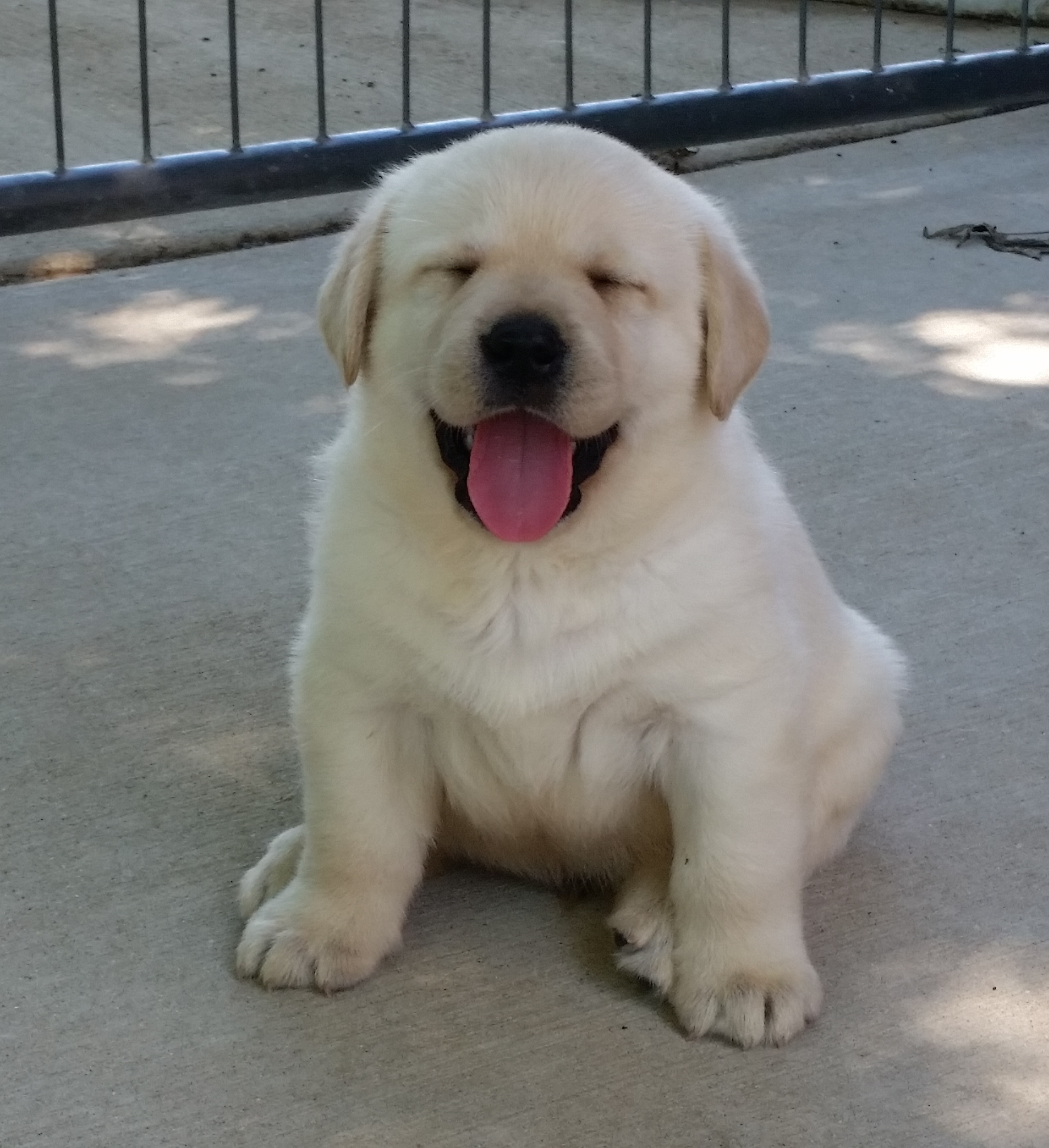
My daughter and son-in-law are the proud new “parents” of Stanley, the world’s most adorable yellow Labrador puppy. Stanley’s breeder has the following warning to prospective dog owners on her website:

If you have read the book (Marley and Me), you will know that although Marley was a sweet boy, he was NOT a good one . . . he was a NIGHTMARE! Although his owners loved him, they did not enjoy him to the fullest because he was so out-of-control . . . Many, many dogs with this type of personality (not just labs) end up in shelters.

Of course, she is right. I think the same phenomenon happened in the 1960s when the movie 101 Dalmatians (also based on a book) was released. People adopted Dalmatians because of their cute spotted coats, not realizing how much energy those dogs have.

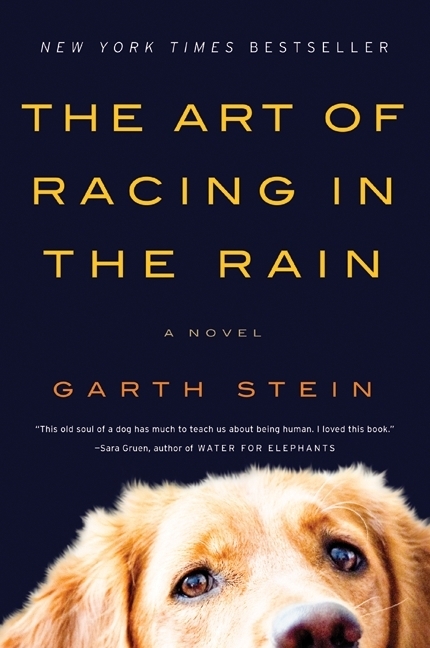
Marley and Me, like so many dog books, ends with the dog’s death. Even children’s books about dogs — Where the Red Fern Grows,  Old Yeller,  Sounder — need to be read with a box of tissues nearby. And anyone who doesn’t get choked up at the end of The Art of Racing in the Rain must have a cold heart.

So here are some terrific books about dogs that probably won’t make you cry:

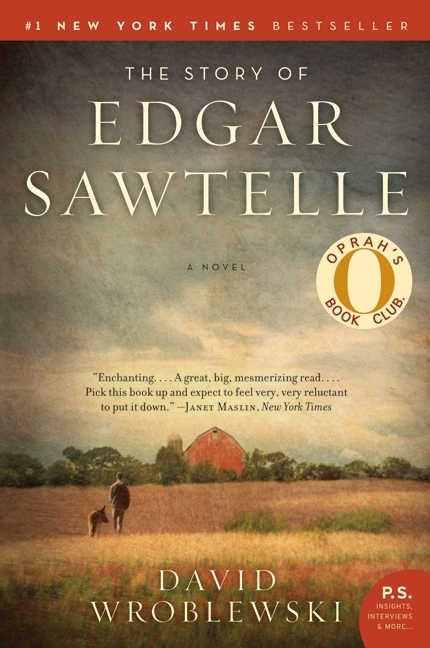
T9780061374234he Story of Edgar Sawtelle by David Wroblewski
Wroblewski’s debut novel (and to date, only novel) is unlike anything I’ve ever read. Edgar Sawtelle, who is mute, helps his family raise and train a fictional breed of very intelligent and intuitive dogs on their farm on Wisconsin. When a family tragedy occurs, Edgar embarks on an odyssey with three loyal dogs. Shakespeare aficionados will enjoy the many parallels to Hamlet.

The Dogs of Babel by Carolyn Parkhurst
I’ve never forgotten this quirky novel, which came out about 10 years ago. After his wife dies in a fall from a tree — witnessed only by the family dog, Lorelei — a linguistics professor attempts to teach his dog to talk so he can find out if her death was a suicide.

James Herriot’s Dog Stories: Warm and Wonderful Stories About the Animals Herriot Loves Best by James Herriot
There was no “YA” when I was a teenager. So I read all James Herriot’s books, starting with All Creatures Great and Small. (That’s when I wasn’t reading Flowers in the Attic , The Thorn Birds, or The Flame and the Flower — remember those?)  His very best dog stories are all now compiled in one book.

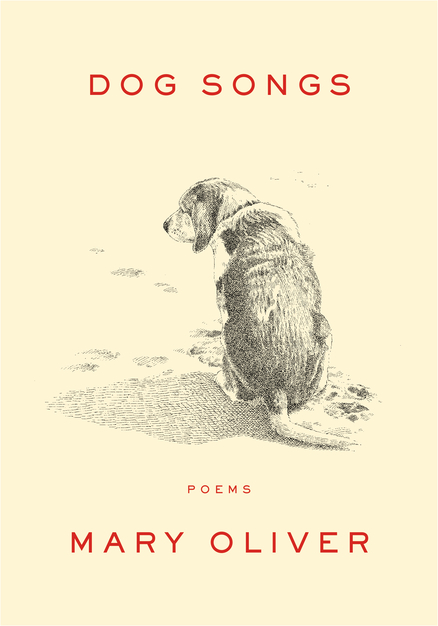
Dog Songs by Mary Oliver9781594204784M
This lovely little book, according to the New York Times, “transcends its dogginess. It’s also about love, impermanence, and the tears in things . . . Her poems, with their charity and lyric clarity, can provide the kind of solace that dogs give”.

Pack of Two: The Intricate Bond Between People and Dogs by Caroline Knapp
Knapp’s memoir explores both her relationship with her own rescue dog, who helped her through grief and recovery from addiction, and animal-human relationships in general.

A Three Dog Life by Abigail Thomas
One evening, Thomas’s husband, Richard, took their dog, Harry, out for a walk — and Harry returned alone. Richard had been hit by a car and was permanently brain-damaged. Thomas reinvents her life and her marriage — with the help of Harry and two more dogs.

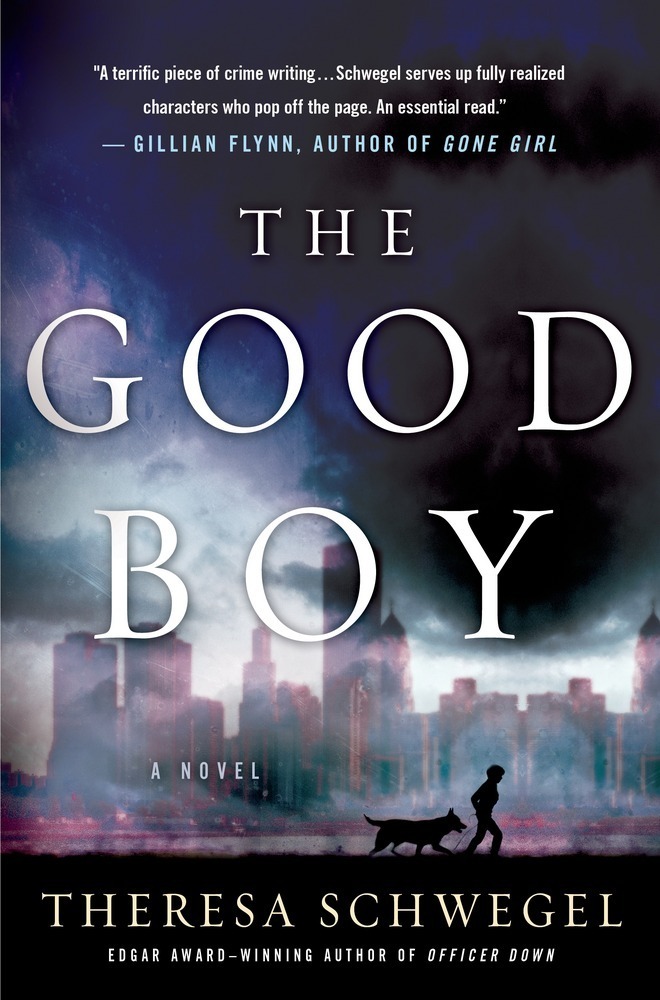
9781250001795The Good Boy by Theresa Schwegel
The “good boy” of the title refers not only to 11-year-old Joel Murphy (son of Chicago K9 police officer Pete Murphy), but to Butchie, Pete’s police dog. The New York Times says, “For all the dog books currently in vogue, it’s hard to beat this one for canine verisimilitude or talent. Butchie is a fully credible character . . . The dog elevates a fairly conventional detective story into something much more lovable”.

Sweetwater Creek by Anne River Siddons
What a great combination — a “beach book” about dogs!  It’s the coming-of-age story about a young girl whose family breeds Boykin spaniels on their plantation in South Carolina. After reading this novel, I thought (briefly) about adopting a Boykin, the state dog of South Carolina. (Does Illinois have a state dog?)

Mountaintop-CoverThe Mountaintop School for Dogs and Other Second Chances by Ellen Cooney

Full disclosure: I don’t know if this book will make you cry because I haven’t read it yet. Just published this month, it’s about a young woman, fresh out of a rehab program, who rebuilds her life at a sanctuary for abused dogs. Publishers Weekly says, “Cooney has crafted a feel-good, canine-filled tale of cross-generational friendship, healing, and solidarity.

Good Dog: Stories of Man’s Best Friend and the Writers Who Love Them by David DiBenedetto and the editors of Garden & Gun 

Before I read this book, I had never heard of Garden & Gun magazine — not surprising, since I’m not much of a gardener and I don’t own a gun. The magazine runs a monthly column called “Good Dog” — beautifully written essays by well-known authors about the kinship between humans and their canine companions. It’s coming out in November, and it’s a real treat — I started out planning to read a story or two, and ended up reading the whole book.

Daphne
Daphne

And finally, I don’t want to brag . . . but I can’t help mentioning that my sister’s Brittany Spaniel puppy, Daphne, was just chosen “dog of the week” at the Wellesley Booksmith (in suburban Boston) where she is a “frequent visitor”!STL300_border

Road Trip “Reading” — The Joys of Audiobooks

What we found at the end of our drive!

People are always worried about what’s happening next. They often find it difficult to stand still, to occupy the now without worrying about the future. People are generally not satisfied with what they have; they are very concerned with what they are going to have.
Enzo, the canine narrator of The Art of Racing in the Rain by Garth Stein

I’ve been doing a lot of driving this summer, much of it on my own, and I’ve rediscovered the joys of audiobooks. When I take my daily (well, almost daily) walks at home, I listen to music or podcasts. But this summer I drove from Chicago to New Hampshire, round trip, and I needed to alleviate the monotony with full-length books.

If you’ve ever listened to audiobooks, you know the narrator makes all the difference. Once, I was browsing through the bargain bin at a college bookstore and found The Portrait of a Lady on CD for only $2.99. I thought it would be fun to “reread” classic literature on my upcoming 18-hour drive. After an hour or so of the narrator’s sleep-inducing drone, I dropped The Portrait of a Lady in a trash can at an Indiana rest stop. Sorry, Henry James.

David Sedaris reads his own books (not possible for Henry James, I know), and they are absolutely delightful. Whenever I read something by Sedaris, I can hear his distinctive voice in my head. His books are collections of short comic pieces, best suited for short trips.  (I have the audio version of Me Talk Pretty One Day stashed in my glove compartment, along with NPR’s Driveway Moments, just in case I’m stuck in traffic and there’s nothing on the radio.)

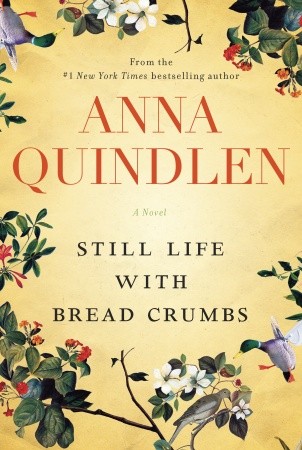
I chose four audiobooks for my road trip earlier this month, and amazingly, they were all winners. I know that because I never once got drowsy while listening, and because I was tempted to buy the print versions.  (In the case of The Art of Racing in the Rain, I succumbed.) I didn’t throw any of them in a trash can, which is good because two of them came from the public library.

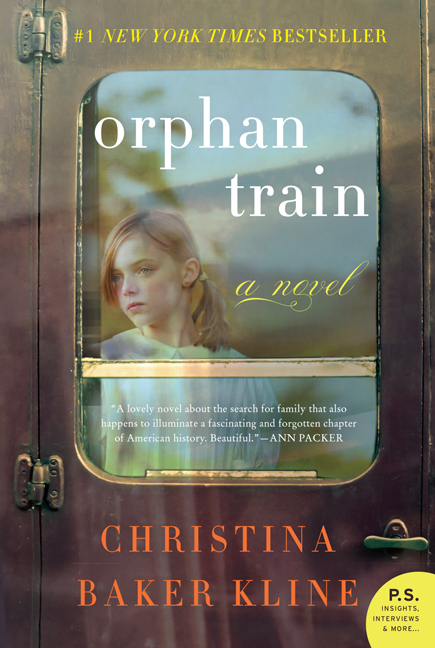
9780061950728Orphan Train, by Christina Baker Kline, is a book club favorite that’s been on the bestseller list for months. So of course I didn’t want to read it. I read a nonfiction book, Orphan Trains: Charles Loring Brace and the Children He Saved and Failed, by Stephen O’Connor, so I thought I’d read enough on that topic. I was wrong, of course.  Orphan Train is a dual narrative, with one story taking place in the Midwest during the Depression and the other taking place in present-day Maine. Niamh is an Irish immigrant who was orphaned and sent west on a train to be “adopted”; Molly is a Penobscot Indian who has spent her childhood in foster care. Eventually, their lives intersect.

My 10-year-old niece, Lily, was with me for the drive to New Hampshire, and she listened to part of Orphan Train, with great interest. I had to fill her in on some background because she was busy reading her own book in the back seat when I started listening. (Lily is a child after my own heart; she can read in the car without getting sick!) Orphan Train, with its focus on young girls coming of age in difficult circumstances, is a terrific book to share with younger readers. The audiobook reader was wonderful, especially with Niamh’s Irish brogue.

9780061537967The Art of Racing in the Rain is narrated by a dog, whose owner is a racecar driver. I was very dubious about the idea of a dog as storyteller, and I’ve never had the slightest interest in auto racing. I will try never to be so narrow-minded again, because I loved this book — so much that I raced out and bought a copy. The Art of Racing in the Rain is a truly lovely book about the love between friends, parents and children, husbands and wives — and dogs and their owners. It’s a meditation on how to live an honorable and courageous life. I do have to warn you that it’s a little dangerous to listen to while driving, because you will undoubtedly cry. Garth Stein has a new book coming out in September, A Sudden Light, and I can’t wait to read it. It’s about a 14-year-old boy who discovers family secrets while trying to save his parents’ marriage.

Still Life with Bread Crumbs, by Anna Quindlen, has been on my to-read list for months. I loved Quindlen’s most recent essay collection, Lots of Candles, www.randomhousePlenty of Cake, but wasn’t crazy about her last couple of novels. So I was pleasantly surprised that I enjoyed Still Life with Bread Crumbs as much as I did. It’s about Anna Winter, a 60-year-old photographer whose career is in decline. To save money and revitalize herself, she decides to rent out her beloved New York apartment and move to the country for the year. I wasn’t sure if there would be enough narrative force in this novel to make it a good audiobook, but Quindlen is so skilled at portraying characters that I was completely absorbed. I feel almost as if I’d recognize Anna if I bumped into her on the street. I knew from the beginning, when she and a local roofer (who becomes a key character in the book) discuss possible strategies for removing the raccoon that’s trapped in her attic, that I would be “reading” about interesting, tangible characters.

41EnRJM+hjLCode Name Verity, by Elizabeth Wein, is a YA novel, and I’m not sure why. Queenie, or “Verity,” is a young, female British intelligence officer who’s been captured by the Gestapo when her plane crashed in occupied France. Her best friend, Maddie, is the pilot who flew the plane. The first section of the book is a confession that Verity has written to her captors, followed by Maddie’s version of the story. It’s important to keep in mind that Verity is a spy, so she’s by definition an unreliable narrator. It’s a difficult book to describe without giving away key plot points. What I enjoyed most were the voices of the two narrators. Of all the audiobooks I listened to on my trip, this stood out for the high-quality narration. Here’s a review from Audiofile magazine:

To reveal almost anything about the way events in Code Name Verity unfold would spoil the book’s many twists and turns and revelations . . . The audiobook is its own revelation—narrators Morven Christie and Lucy Gaskell bring Queenie and Maddie to vibrant life, and listeners will fall in love with them from the start. Gaskell and especially Christie perform (and even sing in) a variety of English and Scottish accents as well as flawless French and German. More than that, they so fully inhabit the characters that the most harrowing moments, so intimate and immediate on audio, are nearly unbearable. It’s an extraordinary book, made even more extraordinary by their truly spellbinding narration.

I’m trying to decide what my next audiobook will be. Even though I don’t have any more road trips planned, I have plenty of 45-90 minute drives on the horizon. Suggestions are welcome!

STL300_border