For last year’s words belong to last year’s language
And next year’s words await another voice.
And to make an end is to make a beginning.
T.S. Eliot, “Little Gidding”
Movie studios save the best for last, releasing potential award winners at the end of the year. An article in Psychology Today on behavioral decision-making explores this phenomenon:
Either movie executives know to release their “Oscar bait” films at the end of the year, or that those in charge of nominating films for awards tend to pick films that were released in the last few months of the year. Either way, movies that opened later in the year are overrepresented.
Book publishers, on the other hand, release very few books in December. Magazines and newspapers focus on year-end lists of top books, not reviews of new books. Holiday shoppers are looking for gift books they’ve heard about, not brand-new books by unknown authors. Booksellers can’t learn about new books during the Christmas rush. And no one has any time to read — they’re at the movies.
After New Year’s Day, bookstore shelves and tables will be stocked with shiny new hardcovers and paperbacks. Spend that gift card you just received on yourself — and even though all the diet books come out in January, don’t buy The Paleovedic Diet or The 17-Day Green Tea Diet. Buy yourself a book that will entertain, absorb, and enlighten you, and curl up with a cup of tea, green or not.
New in hardcover:
The Guest Room by Chris Bohjalian (1/5)
I’m adding this to my list of books that made me cringe, but that I couldn’t put down. Does that make sense? As always, Chris Bohjalian knows how to tell a story. In his latest novel, he sheds light on white slavery and prostitution. Think of the movie Taken — but imagine those horrific events taking place in the United States, with the involvement of upper-middle class suburbanites.
The Sound of Gravel by Ruth Wariner (1/5)
Wow! I read this memoir about growing up in a polygamist Mormon doomsday cult in one day. The author is her mother’s fourth child and her father’s 39th. If you liked The Glass Castle, The Sound of Gravel is for you.
The Expatriates by Janice Y.K. Lee (1/12)
I dislike the term “women’s fiction” — but when you have a novel about three women, all expatriates in Hong Kong, who are grappling with their roles as mothers/caretakers and daughters, that’s what it is. But it’s women’s fiction at its very best — tautly written, with well-developed characters and a surprising storyline.
My Name is Lucy Barton by Elizabeth Strout (1/12)
Pulitzer Prize winner Elizabeth Strout (Olive Kitteridge) is one of my favorite authors. Her new book tells the story of Lucy Barton, a young woman from an abusive and impoverished background who (perhaps, she suggests, because she is “ruthless”) becomes a functioning adult and successful writer. The book, like Kent Haruf’s Our Souls at Night, is very short, with no wasted words; it’s a novel that raises many questions and that I won’t soon forget.
The Swans of Fifth Avenue by Melanie Benjamin (1/26)
The surprise in this delightful book is not that Melanie Benjamin paints a complete portrait of Truman Capote, which I expected, but that she brings Babe Paley to life as a lonely and wounded woman. I’ve read and enjoyed all of Benjamin’s biographical novels — The Swans of Fifth Avenue is my favorite.
The Road to Little Dribbling : More Notes from a Small Island by Bill Bryson (1/19)
Some of Bryson’s books are funnier than others, but they’re all amusing, informative, and worth reading. His latest is a follow-up to Notes from a Small Island, a view of Britain from an American expatriate’s perspective, which came out 20 years ago.
New in paperback:
Inside the O’Briens by Lisa Genova (1/5)
This could be Lisa Genova’s best novel yet. The story of a loving family in crisis, Inside the O’Briens focuses on Joe O’Brien, a tough Boston cop who is devastated when he learns that he is suffering from Huntington’s disease — and that his four children may have inherited the lethal gene from him.
The Daylight Marriage by Heidi Pitlor (1/5)
I couldn’t stop reading The Daylight Marriage — spent a Sunday reading it, with the New York Times remaining in its plastic wrapper until I finished. This novel about a broken marriage, one which was perhaps ill-fated from the beginning, is devastating. Think Gone Girl with real people you might know instead of psychopaths.
The Secret Wisdom of the Earth by Christopher Scotton (1/5)
Readers of this blog are probably tired of hearing me rhapsodize about Scotton’s debut novel, one of my 2015 favorites. I’m thrilled that it’s out in paperback and will reach more readers.
Leaving Before the Rains Come by Alexandra Fuller (1/12)
Fuller’s eventful life continues to provide her with interesting and thought-provoking subject matter. In her latest memoir, the dissolution of her marriage causes her to face her past from a new vantage point.
Books on the Table wishes you a happy, healthy, and book-filled 2016!
My little horse must think it queer
To stop without a farmhouse near
Between the woods and frozen lake
The darkest evening of the year.
Robert Frost, “Stopping by Woods on a Snowy Evening”
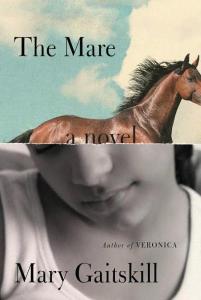
In North America, today is the winter solstice, which means it’s the shortest day of the year. Here in Chicago, that means we will have only 9 hours and 7 minutes of daylight today. I plan to take full advantage of the dark and dreary weather, spending the longest evening of the year curled up with a good book — The Mare, by Mary Gaitskill. I’m loving this book, and if I were making a list of my favorite books of 2015, it would be a contender.
Paperback edition — available 1/6/16
Because I’ve talked about my favorite books so much already, I’m sharing some of my colleagues’ top picks. Collectively, our #1 choice was Christopher Scotton’s The Secret Wisdom of the Earth (Molly called it “my 2015 ‘Pulitzer'”), which is coming out in paperback on January 6.
Although several booksellers named five or six books as “favorites” — “I cannot possibly limit it further”, said one; “It’s funny how hard that question is to answer”, said another — I’m narrowing the list to one or two books each. I’ve included fiction, nonfiction, children’s and YA. Most of the books were published this year, but some are older books that we discovered in 2015.
Laura S. recommends Erik Larson’s latest, Dead Wake: The Last Crossing of the Lusitania, as well as Sophie Kinsella’s YA debut, Finding Audrey.
Diane‘s top choice for adults is A Deadly Wandering: A Mystery, A Landmark Investigation, and the Astonishing Science of Attention in the Digital Age (Matt Richtel) –a book that I think everyone should read, along with Being Mortal (Atul Gawande). (For my review of A DeadlyWandering, click here.) For younger readers, Di’s favorite is The Thing About Jellyfish (Ali Benjamin), a National Book Award finalist.
Ann P. loves a backlist title, Everything Beautiful Began After — Simon van Booy’s first novel.
For Susan R., along with Laura B. (one of our Penguin Random House reps) the choice was easy: an award-winner that has appeared on many “best of 2015” lists —H is for Hawk, by Helen Macdonald. The New York Times called this memoir “breathtaking”.
Lisa’s pick is Our Souls at Night, Kent Haruf’s last novel, which is also a book club favorite.
50th anniversary edition — “the most beautiful book in the world”
Diana can’t decide between one of this year’s hottest books — Fates and Furies (Lauren Groff) — and a modern classic, Stoner (John Williams), originally published in 1965 and re-released several years ago. Stoner — which is not about a pot-smoker, but a farm boy turned English professor (William Stoner, Ph.D.) — is “the greatest American novel you’ve never heard of”, according to the New Yorker. It’s a superb book — don’t miss it!
Susan P.‘s bookselling heart was touched by A Window Opens, Elisabeth Egan’s wise and witty debut novel about a full-time mother and part-time editor who suddenly needs to find a “real” job — and lands at “Scroll”, a soul-sucking company that seems determined to put independent bookstores out of business. (For my review, click here.)
Kathy P.‘s #1 book of 2015 is The Buried Giant. Kazuo Ishiguro’s first novel in 10 years, set in England’s mythical past, is “a rumination on memory, love and war worthy of a place among the greats” (The Guardian).
Anne H. (our Macmillan rep) had a hard time deciding — she said, “This is such a hard question! It makes me think I need to start keeping a list of books I read.” She settled on Jenny Lawson’s irreverent memoir, Furiously Happy: A Funny Book About Horrible Things, and Paul Murray’s satirical novel, The Mark and the Void. (Can you tell Anne has a good sense of humor?)
Molly says Confessions of an Imaginary Friend: A Memoir by Jacques Papier (Michelle Cuevas) is the best middle grade book she’s read this year — “and maybe ever”. Clementine: The Life of Mrs. Winston Churchill is her nonfiction pick for the year.
Max loves Carrying Albert Home, the heartwarming, “semi-true” story of author Homer Hickam’s parents and their odyssey throughout the Southeast with their pet alligator. She was thrilled when Hickam stopped by Lake Forest Book Store to chat and sign books. (For my review, click here.)
Eleanor is a fan of The Red Notebook (Antoine Laurain), the charming, romantic and very French tale of a lost handbag — and a perfect gift book for anyone with a tender heart.
Cathy S. (our HarperCollins rep) sent me the longest list of anyone, mentioning that “I also realize that I’ve read a lot of ‘older’ books like Lifeafter Life by Atkinson that I hadn’t had time to read before”. Cathy — who never steers me wrong — recommends The Wolf Border (Sarah Hall), and the fourth installment in Elena Ferrante”s Neapolitan series, The Story of the Lost Child. (Countless other readers I trust have recommended this series as well.)
Nancy is a fan of A Tale for the Time Being (Cynthia Ozecki), shortlisted for the Man Booker Prize in 2013 and a terrific book club choice.
From across the lake at The Cottage Book Shop in Glen Arbor, Michigan, Sue sends two favorites: Days of Awe (Lauren Fox) and The Nightingale (Kristin Hannah), two books I enjoyed very much as well. The Nightingale is a real departure for Hannah, and although it’s not as literary as All theLight We Cannot See, it’s a good choice for readers looking for another absorbing story about Nazi-occupied France.
And my favorite? It’s impossible to choose one, but if I had to pick the most unforgettable books I read this year, I’d choose A Little Life (Hanya Yanigahara) and Station Eleven (Emily St. John Mandel). How about you?
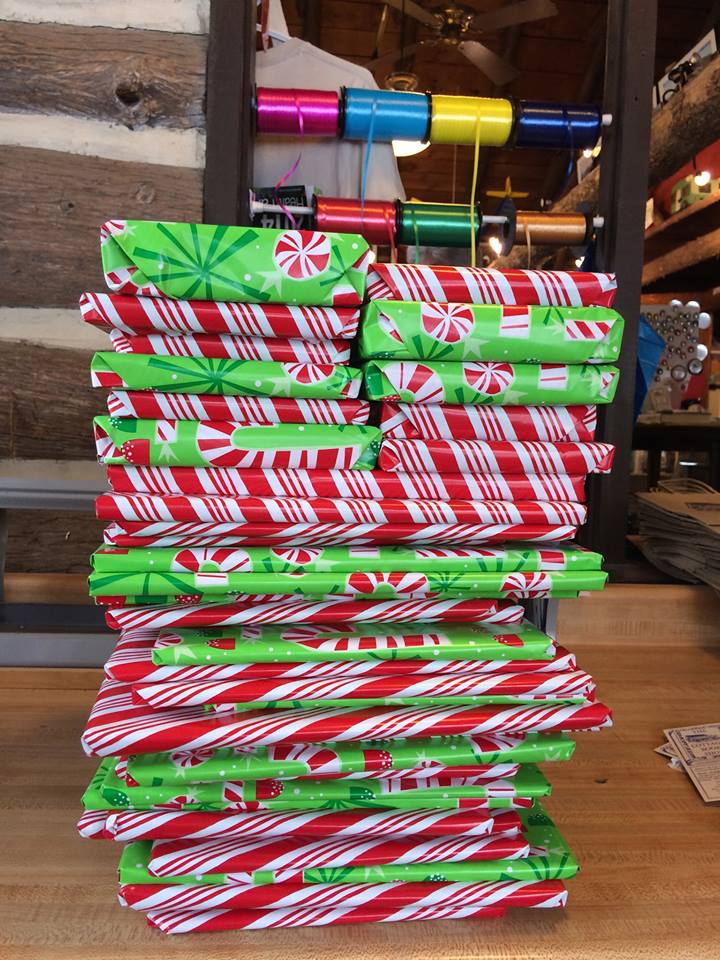
Elves at the Cottage Book Shop in Glen Arbor, MI have been busy wrapping.
Books make great gifts because they’re easy to wrap.
Amy Sedaris
Two years ago, I wrote a post called 5 Books NOT to Give this Holiday Season. I listed the kinds of books that are most likely to be returned, and reminded shoppers not to inscribe books with heartfelt messages: “Dearest Lily, I hope you enjoy Little Women as much as I did when I was your age. Love, Aunt Ann.” Lily may want to exchange Little Women for #7 in the Zombie Vampires in Outer Space series, and that’s OK. You want her to have a book she’ll read rather than one she’ll use as a decorative object, right?
A friend was horrified last Christmas when her parents received a book about end-of-life issues. Books about death and dying don’t make the most cheerful holiday presents. Atul Gawande’s Being Mortal is one of my favorite books of 2015, but I’m not giving it to anyone as a gift. I don’t even like to give books that have the word “die” in them: 1000Places to See Before You Die; 1001 Books You Must Read Before You Die; 100 Things Iowa State Fans Should Know & Do Before They Die (no, I didn’t make that one up!).
This year, I’m taking a positive approach. Instead of telling you which books are bad gifts, I’ll suggest a few that might be good gifts. I say “might” because, of course, you’re taking a chance. Matching a book with a reader is mysterious alchemy — which brings me to another point. If you’re thinking of giving a book to someone who’s not a reader, be very careful. Make sure it’s a useful book rather than a reading book. Your interior designer sister, who loves shelter magazines, would probably appreciate Sharon Santoni’s lovely book, My Stylish French Girlfriends. Your law student brother, who’s buried in textbooks but enjoys cooking, might like the new Jacques Pepin cookbook, Heart and Soul in the Kitchen.
Every major publication, print and digital, publishes a list of the “best” books of the year. The Wall Street Journal creates a master list by compiling books cited on 12 year-end lists: “Best Books of 2015: The Best of the Best-of Lists”. The New York Times publishes a list of 100 Notable Books, and then follows that a week later with The 10 Best Books of 2015. These lists are interesting to read, but not necessarily helpful as gift giving guides. I don’t know about you, but there’s no one on my list who would appreciate The Invention of Nature: Alexander von Humboldt’s Natural World (“Alexander von Humboldt may have been the pre-eminent scientist of his era, second in fame only to Napoleon, but outside his native Germany, his reputation has faded . . .). I’m sure that’s a worthy book, but my friends and family are more likely to receive Tim Federle’s new mixology book, Gone With the Gin: Cocktails With a Hollywood Twist. (We enjoyed Tequila Mockingbird: Cocktails With a Literary Twist.)
Here are a few ideas for gift books . . . just in case you haven’t finished your shopping. (Or maybe you deserve to buy yourself a book.) Several of these recommendations appear on 2015 “best books” lists, but I’ve tried to include others that have been overlooked. They may not be the “best”, whatever that means, but maybe they’ll be perfect for someone on your list.
For art aficionados:
Hold Still: A Memoir with Photographs by Sally Mann
One of the best memoirs I’ve ever read — it doesn’t seem fair that Sally Mann is a talented writer and photographer! She describes it as a “deeply personal explorations of the landscape of the American South, the nature of mortality (and the mortality of nature), intimate depictions of my husband and the indelible marks that slavery left on the world surrounding me.”
For Shakespeare lovers:
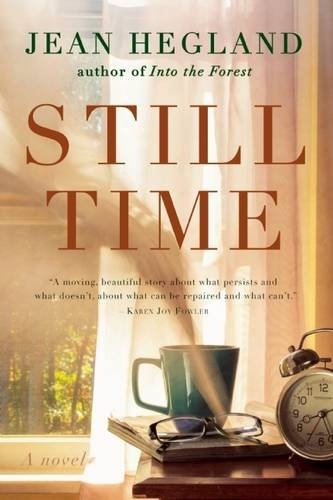
Still Time by Jean Hegland
A gorgeous novel about an aging professor, suffering from Alzheimer’s, whose extensive knowledge and understanding of Shakespeare helps him understand a world that is becoming more and more confusing. Like Lisa Genova’s Still Alice, Still Time is about a professor suffering from dementia — but it’s an entirely different, and I’d argue, a more subtle and thought-provoking novel.
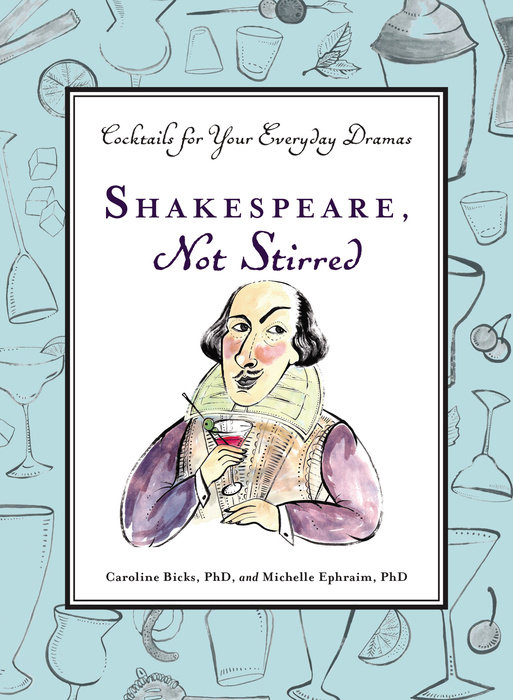
Shakespeare, Not Stirred: Cocktails for Your Everyday Dramas by Caroline Bicks and Michelle Ephraim
Two Shakespeare scholars obviously had a blast putting together this collection of recipes for cocktails and appetizers. Every page contains fun and interesting Shakespeare trivia; reading this short book is a bartending course and Shakespeare seminar combined.
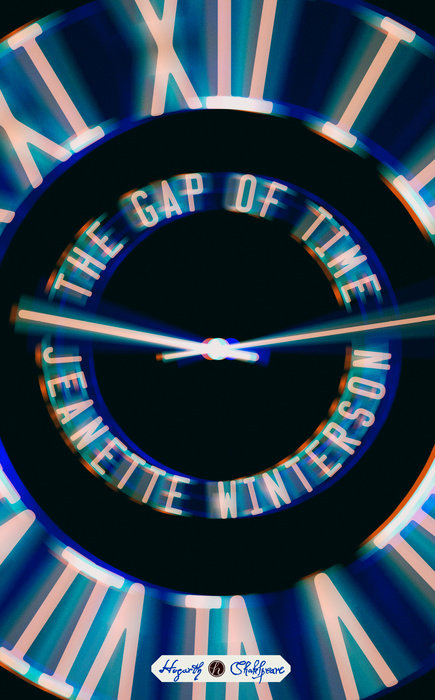
The Gap of Time by Jeanette Winterson
First in the new Hogarth Shakespeare series, The Gap of Time is a modern retelling of The Winter’s Tale. Brilliant and entertaining!
For readers like me who can’t get enough of little-known World War II history:
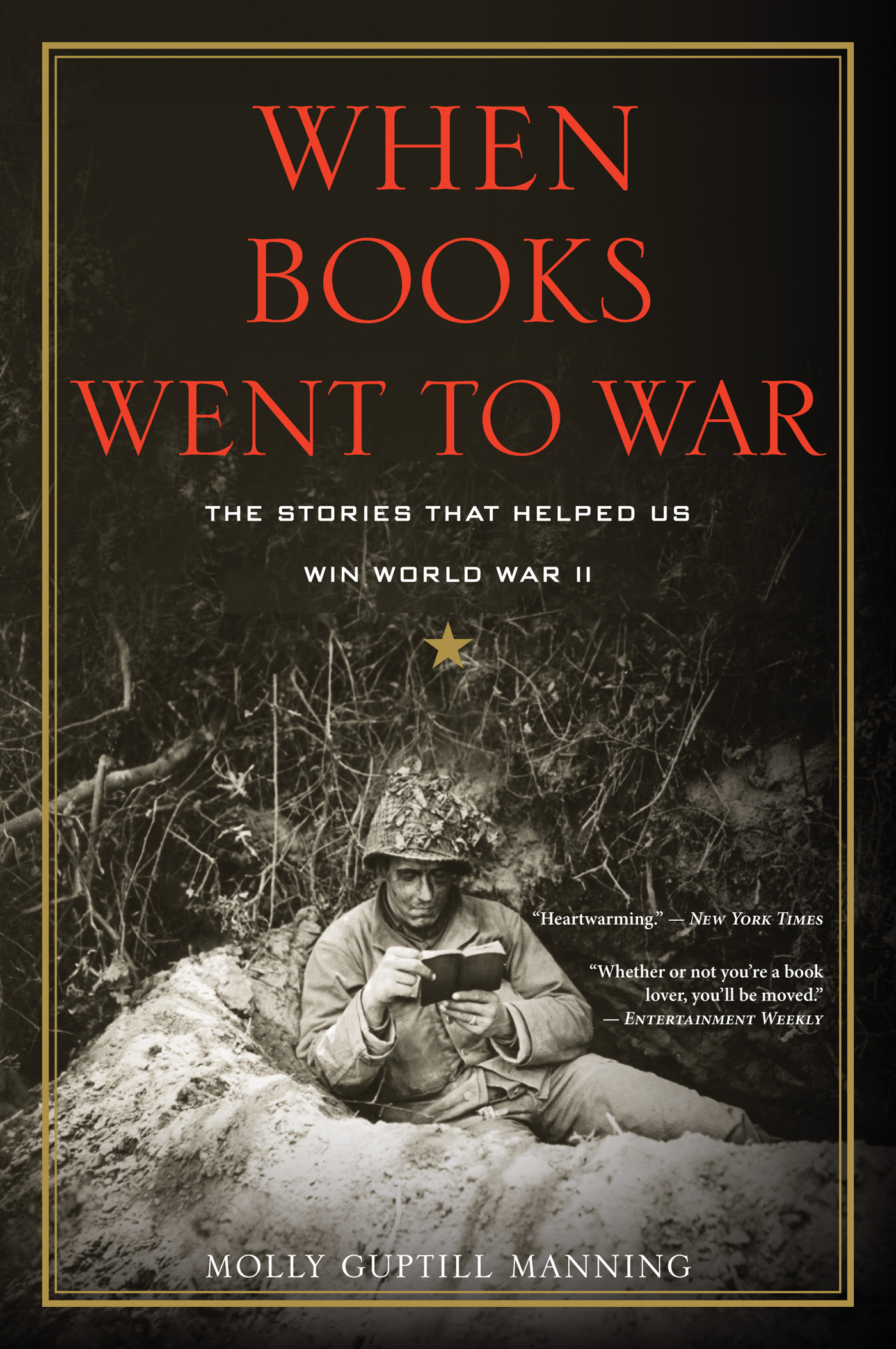
When Books Went to War: The Stories That Helped Us Win World War II by Molly Guptill Manning
Between 1943 and 1947, the government distributed 120 million paperback books (called Armed Services Editions, or ASEs) to millions of United States servicemen. Manning’s stirring book illustrates the power these books had to combat Nazi propaganda, “soothe an aching heart, renew hope for the future, and provide a respite when there was no escape” and to “build a new literate middle class” after the war.
The Hummingbird by Stephen P. Kiernan
The story of a hospice nurse, her terminally ill patient (a history professor specializing in World War II history), and her war veteran husband, The Hummingbird is beautiful, suspenseful, and inspiring.
For everyone who loved The Storied Life of A.J. Fikry (plus, no one dies in this one):
A Window Opens by Elisabeth Egan
The clever and entertaining story of a full-time mother and part-time editor who suddenly needs to find a “real” job — and lands at “Scroll”, an up-and-coming company with a diabolically quirky corporate culture. Perfect for all those readers who don’t want to read “dark” or “depressing” books, the novel pays tribute to independent bookstores — and tells a heartwarming family story at the same time.
For parents who’ve just survived their high school senior’s college application process:
The Admissions by Meg Mitchell Moore
This insightful and delightfully witty novel is about much more than getting into college: the secrets the members of the upwardly mobile Hawthorne family are keeping from each other, and the admissions they must make.
For everyone whose favorite book is To Kill a Mockingbird:
The Secret Wisdom of the Earth by Christopher Scotton
The very first book I read in 2015 remains one of my favorites of the year. Harper Lee meets Pat Conroy in this coming of age story set in Appalachia 30 years ago.
For all the readers who cheered for the University of Washington crew in The Boys in the Boat:
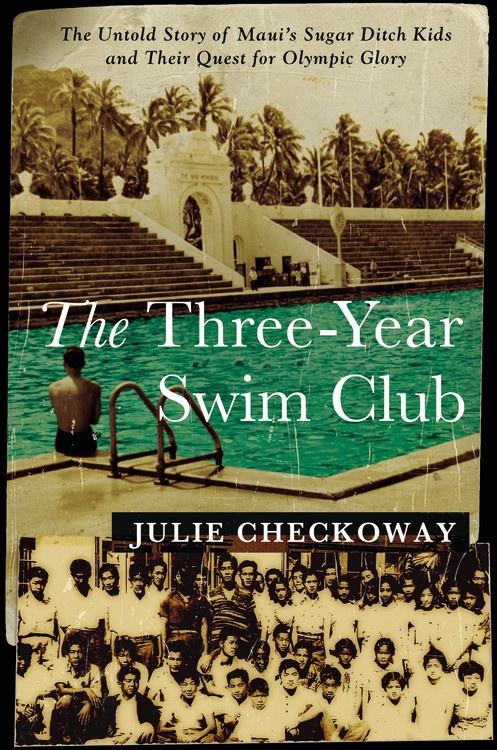
The Three-Year Swim Club by Julie Checkoway
Who can resist an underdog sports story? The “Three-Year Swim Club” was a group of poor Japanese-American children who started their swimming careers training in irrigation ditches in the 1930s and later became world champions. Checkoway focuses on the team’s innovative and inspirational coach, Soichi Sakomoto, an unsung hero whose accomplishments have gone relatively unnoticed.
Girl Runner by Carrie Snyder
A young female runner leaves her family farm and wins a gold medal at the 1928 Olympics. At the age of 104, wheelchair-bound and nearly blind and deaf, she returns to the farm with two young filmmakers. Actually . . . this is nothing like The Boys in the Boat; first of all, it’s fiction, and second, it’s achingly sad. But it is about the Olympics, and it is a great book!
For Ruth Reichl fans/literary foodies:
My Kitchen Year by Ruth Reichl
After Gourmet magazine folded, editor Ruth Reichl took comfort in the kitchen. Her new book chronicles her year of cooking and healing, with plenty of delicious recipes.
Voracious: A Hungry Reader Cooks Her Way Through Great Books by Cara Nicoletti
I loved every page of this book, which is like nothing else I’ve ever read — part memoir, part cookbook, and part literary criticism. The author is a butcher (!) and book lover, and the book contains 50 recipe, each inspired by a book that’s meaningful to her.
Life From Scratch: A Memoir of Food, Family and Forgiveness by Sasha Martin
The author set out to cook a recipe from every country in the world and blog about it — along the way, she made peace with her past and connected with the world around her. Reminiscent of Ruth Reichl’s Tender at the Bone, it’s a heartfelt, plainspoken chronicle of how food and cooking can heal damaged souls.
For teenagers who want to read adult books:
Where They Found Her by Amanda McCreight
Plot twists and red herrings abound in this novel of psychological suspense that takes place in a seemingly peaceful college town. YA readers will enjoy the fast pace, the 17-year-old narrator, and the campus setting.
The Half Brother by Holly LeCraw The Half Brother covers familiar territory: growing up at a New England boarding school. What makes the novel fresh and original is that it focuses on the coming of age of a young teacher.
How to Write a Novel by Melanie Sumner
I loved every page of this book, and what I enjoyed most was the voice of the 12.5-year-old (and yes, that’s how she refers to herself) narrator, Aristotle. While trying to write a book, following the instructions in a writing manual, Aristotle stumbles upon some family secrets. Perfect for fans of Where’d You Go, Bernadette? — another great YA crossover.
For adults who want to read YA books:
Belzhar by Meg Wolitzer
Jam’s parents don’t know what to do with her when she can’t seem to recover from her grief, so they send her to the Wooden Barn, a boarding school for “emotionally fragile, highly intelligent teenagers”. In a very unusual English class, she and her classmates begin to heal. Wolitzer skillfully incorporates fantasy into a novel that at first seems like a straightforward prep school story.
I’ll Give You the Sun by Jandy Nelson
Teenage twins Noah and Jude, both artists, are as close as two people can be, but they compete for the love of their parents and the attention of a new friend. Nelson, a poet and literary agent turned YA author, gives us each twin’s perspective in this thoughtful, but well-plotted exploration of art and love.
And . . . three favorite 2015 books that haven’t received enough recognition:
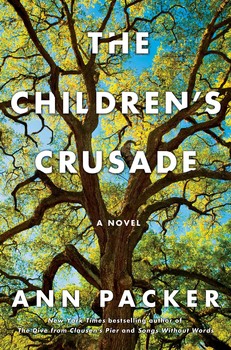
The Children’s Crusade by Ann Packer
I savored every page of this beautiful novel, which explores the complicated relationships among four siblings raised by an attentive, loving father and a neglectful mother.
The Listener by Rachel Basch
A psychologist, the widowed father of two grown daughters, treats a college student who is confused about his gender identity. He becomes romantically involved with the mother of this student — without knowing she is the mother of his patient. Complications ensue, involving his daughters and their shared past.
My Sunshine Away by M.O. Walsh
Walsh’s debut is suspenseful, sometimes almost unbearably so, but it’s more than a crime novel; it’s the story of an immature, self-centered boy who manages to become an adult with integrity.
Two favorite 2015 books that have received plenty of accolades:
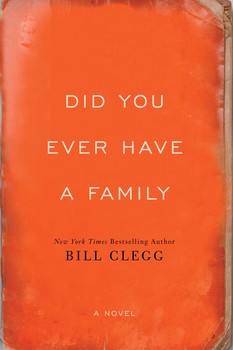
Did You Ever Have a Family by Bill Clegg
This book will keep you up late at night, and it will break your heart. The writing is gorgeous, and the tragic story is perfectly constructed.
A Little Life by Hanya Yanagihara
In case you haven’t been sufficiently traumatized by Clegg’s novel . . . read A Little Life. The 700-page “epic American tragedy” covering 30 years in the lives of four college friends is one of the most powerful books I’ve ever read. You’ll never forget it.
What books are you giving this year? And which ones are you hoping to receive?
Fiction and nonfiction are not so easily divided. Fiction may not be real, but it’s true; it goes beyond the garland of facts to get to emotional and psychological truths.
Yann Martel
The National Endowment for the Arts recently studied the reading habits of Americans, and one of their findings won’t surprise any bookseller: “Men are more likely to read nonfiction books than fiction, while the opposite holds true for women.” The NEA defines a “literary reader” as someone who has read “at least one novel, play, or poem within the last 12 months”. According to this definition, 47% of American adults are “literary readers”. So if a person (female) reads one novel in a year — say, FiftyShades of Gray — she is a “literary reader”, but if a person (male) reads dozens of nonfiction books — The Boys in the Boat, The Innovators, The Warmth of Other Suns — he is some type of “non-literary”, inferior reader?
Like Nancy Pearl, librarian, NPR book critic, and author of Book Lust, I’m an omnivore when it comes to books. When asked how she chooses the books she discusses on Morning Edition’s “Under the Radar” segments, she said:
Simple: I just pick some of the titles that I’ve most enjoyed since the last time I was on, without concern for whether they’re fiction or nonfiction, genre or not, or aimed or classified as being for children or teens. Because I am an omnivorous reader, at first glance my choices always seem to me to be completely higgledy-piggledy, with no book bearing any similarity to any other.
So whether you’re an omnivore, a carnivore (nonfiction reader), or herbivore (fiction reader), here are some complementary sets of fiction and nonfiction books. (For a list of books for the confirmed carnivore, check out 10 Books for “Carnivorous” Readers — which includes Steven Rinella’s Meat Eater: Adventures of an American Hunter.)
Interested in Civil War cross-dressing?
Nonfiction: Liar, Temptress, Soldier, Spy: Four Women Undercover in the Civil War by Karen Abbott
A rollicking chronicle of the exploits of four female spies (two Union, two Confederate) during the Civil War.
Fiction: I Shall Be Near to You by Erin McCabe
In this beautiful story of love and war, a headstrong young woman disguises herself as a man, enlists in the Union Army, and follows her new husband off to battle.
Want to read about work/life balance?
Nonfiction: Lean In: Women, Work, and the Will to Lead by Sheryl Sandberg
Sandberg’s book advising young women to be more ambitious received a lot of unfair criticism — much of it, I suspect, from people who didn’t read it. Anne-Marie Slaughter, author of the recent book, Unfinished Business:Women Men Work Family, wrote an excellent review in the New York Times.
Fiction: A Window Opens by Elisabeth Egan
The clever and entertaining story of a full-time mother and part-time editor who suddenly needs to find a “real” job — and lands at “Scroll”, an up-and-coming company with a diabolically quirky corporate culture
Want to understand more about developmentally disabled young adults?
Nonfiction: An Uncomplicated Life: A Father’s Memoir of His Exceptional Daughter by Paul Daugherty
A wonderful book for any parent — through the story of the first 25 years of his daughter Jillian’s life, Daugherty reminds us of the precious gifts our children are, “exceptional” or not. Fiction: A Step Toward Falling by Cammie McGovern
In McGovern’s second novel for young adults, two achievement-oriented high school students fail to protect a developmentally disabled classmate, Belinda, at a pivotal moment. Belinda, who narrates sections of the book, comes to life as a three-dimensional character.
Think you need to learn more about why school shootings happen?
Nonfiction: Columbine by Dave Cullen
Cullen spent 10 years researching the events at Columbine High School, and what he found was that “most of what we ‘know’ about Columbine was wrong.” The killers, he points out, were not bullied — they were, in fact, bullies themselves.
Fiction: We Need to Talk About Kevin by Lionel Shriver
One of the most chilling books I’ve ever read.
Interested in the craft of writing?
Nonfiction: On Writing by Stephen King and Escaping Into the Open by Elizabeth Berg
Both are not only excellent writing manuals but entertaining memoirs as well.
Fiction: How to Write a Novel by Melanie Sumner
Maybe it’s a bit of a stretch pairing How to Write a Novel with books on how to write, because Sumner’s debut novel is only on the surface about writing a novel. While trying to write a book, following the instructions in a writing manual, 12-year-old Aristotle stumbles upon some family secrets. Fans of Where’d You Go, Bernadette? will adore this smart and endearing novel.
Fascinated by World War I?
Nonfiction: Testament of Youth by Vera Brittain
This classic memoir of love and loss in World War I-era England should be required reading for anyone interested in that time period.
Fiction: The Absolutist by John Boyne and A Long Long Way by Sebastian Barry
I love both of these books so much that I can’t decide which is my favorite World War I novel. (Birdsong, by Sebastian Faulks, is a runner-up.) Both are beautifully written and almost unbearably sad.
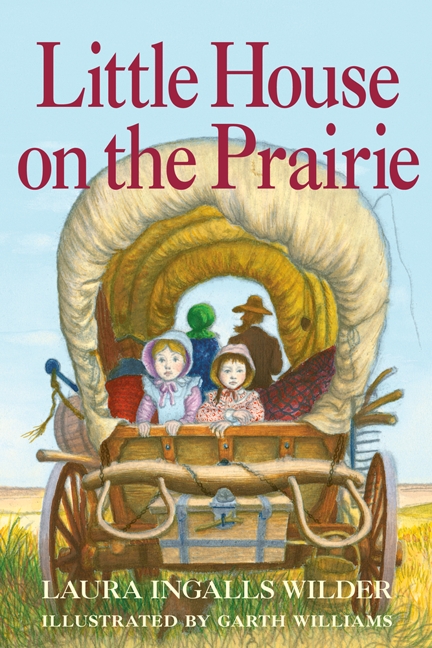
Are you a Little House on the Prairie fan?
Nonfiction: Pioneer Girl: The Annotated Autobiography by Laura Ingalls Wilder and Pamela Smith Hill
Hill, the author of a biography of Laura Ingalls Wilder, edited Wilder’s memoir — which is really a rough draft of the Little House books. An article in the Los Angeles Times points out that the Little House series was written for children, and Wilder’s memoir “would have been rated R for violence and adult content.”
Fiction: Pioneer Girl by Bich Minh Nguyen
Lee Lien, daughter of hardworking Vietnamese immigrants, is a newly minted Ph.D. in English literature with no job who finds a mysterious gold brooch belonging to her mother — an item that may have belonged to Laura Ingalls Wilder.
Curious about reclusive authors?
Nonfiction: My Salinger Year by Joanna Rakoff
Actually, Salinger doesn’t show up much in Rakoff’s memoir of her stint as a famously eccentric literary agent, but his brief appearances are memorable — and so is the book.
Fiction: & Sons by David Gilbert
A big, fat novel centering on A.N. Dyer — a reclusive writer reminiscent of J.D. Salinger. If you like Jonathan Franzen, you’ll like this. There’s a lot going on — a novel within a novel, lots of characters, and even a touch of science fiction.
What happens when cultural and religious differences collide with modern medicine?
Nonfiction: The Spirit Catches You and You Fall Down: A Hmong Child, Her American Doctors, and the Collision of Two Cultures by Anne Fadiman
Published almost 20 years ago, this award-winning book — one of my “top 10” works of narrative nonfiction — includes a new afterword with updates on the characters and on the author herself.
Fiction: The Children Act by Ian McEwan
The morally complex and emotionally resonant story of a London family court judge who must make a decision about whether to order a lifesaving blood transfusion for a 17-year-old Jehovah’s Witness.
What was it like to live through Hurricane Katrina?
Nonfiction: Five Days at Memorial by Sheri Fink
The author is a physician and Pulitzer Prize winning journalist who’s written a gripping account of the life-and-death decisions medical staff at Memorial Medical Center in New Orleans were forced to make during Hurricane Katrina.
Fiction: Salvage the Bones by Jesmyn Ward
The 2011 National Book Award for fiction, set in Mississippi just before and during Hurricane Katrina, has ‘the aura of a classic”, according to Ron Charles of the Washington Post.
You can tell a more incredible over-the-top story if you use a nonfiction form.
Chuck Palahniuk
There is really no fiction or non-fiction; there is only narrative. One mode of perception has no greater claim on the truth than the other . . .
E.L. Doctorow
November is a busy month, and that’s not just because of Thanksgiving and the beginning of the holiday season. I don’t know how these things work, but the powers that be have determined that November is also National Novel Writing Month, National Peanut Butter Lovers Month, Historic Bridge Awareness Month, Manatee Awareness Month, and International Drum Month — and of course, it’s No Shave November. Thank goodness for that, because who has time to shave while writing a novel and learning about historic bridges?
In the world of book blogging, it’s Nonfiction November. Dozens of reviewers share their favorite recommendations for nonfiction books. Many of the same best-selling titles pop up again and again, and for good reason — they’re excellent books, well worth reading. Atul Gawande’s Being Mortal should be required reading for anyone who’s mortal, but you don’t need me to tell you about it.
I suspect many readers regard nonfiction as a homework assignment, not riveting reading. Novelist Chris Bohjalian said, “People seem to read so much more nonfiction than fiction, and so it always gives me great pleasure to introduce a friend or family member to a novel I believe they’ll cherish but might not otherwise have thought to pick up and read.” I’ve found the opposite — in my experience, nonfiction is usually a harder sell than fiction.
Over the past year, I’ve read plenty of nonfiction, including a few books that — at least in my little corner of the world — haven’t received the love they deserve. I’ve mentioned these terrific books before, but they’re worth mentioning again.
The Light of the World by Elizabeth Alexander
Poet Alexander has written a gorgeous chronicle of her family’s grief after her 50-year-old husband died unexpectedly. Every short chapter (most are 2-3 pages) is like a poem, with spare, beautiful feeling and intense feeling. The book is reminiscent of Joan Didion’s The Year of Magical Thinking.
From the Boston Globe review: ” . . . A poetry lover, and a memoirist of loss myself, I expected to like Alexander’s book. But nothing could have prepared me for the experience of reading The Light of the World. It riveted me, rent me, sent me reeling. It flooded me with ineffable joy.”
The Rising: Murder, Heartbreak, and the Power of Resilience in an American Town by Ryan D’Agostino
The devastating true story of Dr. William Petit, who lost his wife and two daughters — and was critically injured himself — in a brutal attack in the family’s Connecticut home. Amazingly, Petit has not only survived but managed to rebuild his life.
From the Publishers Weekly review: “D’Agostino’s tender approach to his subject and story is impressive as he artfully charts Petit’s emotional thawing without resorting to cloying prose or melodrama . . .Though a horrific crime provides the backdrop, this book is a remarkable account of hope, fellowship, and love in the face of tragedy.”
Something Must Be Done About Prince Edward County: A Family, A Virginia Town, A Civil Rights Battle by Kristen Green
Veteran journalist Green chronicles the years when Prince Edward County, Virginia closed its public schools rather than obey the federal mandate to desegregate — and tells the story of her family’s part in this shameful chapter of history.
From the New York Times review: “It is this personal story that makes her mix of memoir and history . . . so absorbing as she returns home to interview family and friends about a past that many would rather leave there.”
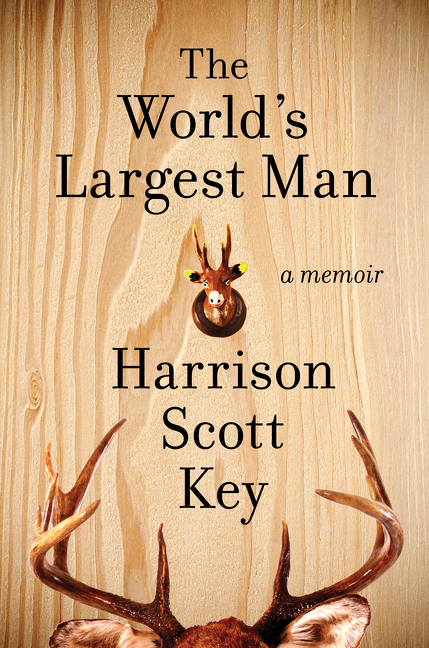
The World’s Largest Man by Harrison Scott Key
A hilarious (and sometimes heartbreaking) memoir about a bookish son’s relationship with his testosterone-fueled father. Although Key is a gifted humorist, The World’s Largest Man is not a nonstop laugh riot. At its heart, it’s a story about love and acceptance. Much of the book is heartbreaking and poignant. Key succeeds in showing us the contradictory aspects of his father’s deeply flawed personality — a personality that turns out to be a greater influence on him than he had ever imagined. Perfect for fans of Pat Conroy.
From the Florida Times-Union review: “The first part of this memoir by Savannah College of Art and Design professor Harrison Scott Key will have you laughing out loud. The remainder may bring you to tears . . . Key laments the lost art of Southern story-telling, one he believes has gone the way of the family farm, but once you read The World’s Largest Man, you’ll realize he may be a tad premature.”
Between You and Me: Confessions of a Comma Queen by Mary Norris
Much more than a copy editor, Norris is a delightfully wicked and witty writer. She’s been on staff at the New Yorker since 1978, upholding the magazine’s notoriously high standards. Her memoir is sprinkled with grammar advice, as well as plenty of gossipy tidbits. I enjoyed every page, and learned a few things besides.
From the New Republic review: “Norris’s very funny, lucid, and lively new book” is “part memoir, part language guide, and part personal account of life at the New Yorker.”
Which books this year have you loved that haven’t received their share of attention?
Beneath the gore and smoke and loam, this book is about the evanescence of life, and why some men choose to fill their brief allotment of time engaging the impossible, others in the manufacture of sorrow. In the end it is a story of the ineluctable conflict between good and evil, daylight and darkness, the White City and the Black.
Erik Larson, The Devil in the White City: Murder, Magic, and Madness at the Fair That Changed America
Last week, a customer asked me to recommend a new true crime book. It took me a minute to think of one, because nobody has ever asked me that before. I don’t know why, because true crime books are really popular. In Cold Blood, Helter Skelter, The Executioner’s Song, The Devil in the White City, Under the Banner of Heaven — all bestsellers. But “true crime” sounds just a bit unsavory. Maybe readers think they’ll appear macabre or voyeuristic if they’re interested in true crime. Some true crime authors have been accused of profiting from other people’s misfortunes. Others have been criticized for falsely befriending criminals to extract information.
The 2014 podcast Serial, which tells the true story of the investigation into the murder of a teenage girl, has become the most popular podcast in history. According to the Wall Street Journal, Serial “gets people to drop everything and just listen . . . it’s a testament to the power of good storytelling”. Also, Serial is open-ended, like many true crime stories. In real life, often we don’t know what really happened. I think that’s part of the appeal of true crime. The loose ends are not as neatly tied up as they are in fictional murder mysteries. Certain details remain hidden. Even in situations when a criminal cooperates with an author, the criminal can’t be trusted to tell the truth.
I’ve always preferred true crime stories to fictional ones. Even as a child I didn’t care for Nancy Drew, but gravitated to encyclopedia entries about Jack the Ripper and Lizzie Borden. I think they reason may be that I’ve always been more interested in character than plot. In most true crime, the reader knows “whodunit” at the beginning of the book. True crime author Walter Walker said that Ann Rule, perhaps the best-known author in the genre, possessed “the narrative skill to create suspense from a situation in which the outcome is a matter of fact, known to many readers before they open the book.”
As a teenager, I discovered Ann Rule”s The Stranger Beside Me, a study of the serial killer Ted Bundy — who happened to be Rule’s colleague. When Bundy was arrested for a series of murders in the Seattle area, Rule initially didn’t believe her friend could be guilty. Rule, who died several months ago, wrote dozens of true crime books after the success of The Stranger Beside Me. Her books focus on the “why” of heinous crimes more than the “how”:
I look for true stories where, just when you think nothing else bizarre can happen, it does . . . What real people do is far more compelling than anything a novelist can think up! . . . I am drawn to cases where the suspect(s) is NOT the classic murderer. I’ve learned that my readers are as interested as I am in the psychopathology of the criminal mind.
Rule’s obituary says, “In a crowded field, she consistently led the pack, taking up most of the real estate in the true crime shelves of bookstores.” From what I’ve seen, most bookstores today don’t separate true crime into its own section. If you google “true crime books”, the same ones come up on every list. On a recent visit to the Book Stall in Winnetka, Illinois, I was surprised to see several shelves dedicated to true crime. Most were historical, rather than contemporary in the vein of Ann Rule, but what a treasure trove of new and exciting true crime:
Bizarre family secrets in 19th century England (The Dead Duke, His Secret Wife, and the Missing Corpse: An Extraordinary Edwardian Case of Deception and Intrigue) by Piu Marie Eatwell
Arsenic poisoners (The Inheritor’s Powder: A Tale of Arsenic Murder and the New Forensic Science by Sandra Hempel and The Poisoner: The Life and Times of Victorian England’s Most Notorious Doctor by Stephen Bates)
The previously unsolved murder of a Hollywood mogul (Tinseltown: Murder, Morphine, and Madness at the Dawn of Hollywood by William J. Mann)
A Prohibition-era kidnapping and the birth of the FBI (The Year of Fear: Machine Gun Kelly and the Manhunt That Changed the Nation by Joe Urschel)
A father and son spy team (The Spy’s Son: The True Story of the Highest-Ranking CIA Officer Ever Convicted of Espionage andthe Son He Trained to Spy for Russia by Bryan Denson)
A teenage psychopath in 19th century Boston (The Wilderness of Ruin: A Tale of Madness, Fire, and the Hunt for America’s Youngest Serial Killer by Roseanne Montillo)
The Isabella Stewart Gardner Museum theft (Master Thieves: The Boston Gangsters Who Pulled Off the World’s Greatest Art Heist by Stephen Kurkjian)
A murderous Parisian con man and his mistress(Little Demon in the City of Light: A True Story of Murder in Belle ÉpoqueParis by Steven Levingston)
Why do I enjoy true crime? Why does anyone? A few minutes of cursory Internet research was unenlightening, to say the least. An article in Psychology Today claims that women like true crime because the books “may provide important information and survival strategies should they ever be in a dangerous situation”. Hmmm, I don’t think so. Edmund L. Pearson, who wrote many nonfiction crime books in the early 20th century, including one on Lizzie Borden, said it best:
Writers of book reviews, sixty to eighty times a year, begin their articles with the grave inquiry: Why do people like to read about murder? After a discussion, in language that seems to be the result of profound thought, they come to the conclusion that people like to read such books because they do.
Last month, the New York Times published an article called “The Plot Twist: E-Book Sales Slip, and Print is Far From Dead”. The article’s main point was that the predicted “digital apocalypse” hasn’t occurred — sales of e-books are declining and independent bookstores are more robust than ever. Some industry “experts” have taken issue with the article, noting that the e-books referred to in the story are only those published by major publishers, not the gazillions of very cheap e-books available online. Fortune magazine says: “What’s really been happening is that the market share of established publishers has been declining, while sales of independently published e-books have been growing. In particular, sales of books that don’t even have industry standard ISBN numbers have increased.”
A number of authors have been very successful selling their own e-books. John Locke (the 21st century self-published author, not the 18th century philosopher) has published dozens of books since 2010, including How I Sold 1 Million Ebooks in 5 Months, and receives rave reviews from his fans. In fact, 83% of Amazon reviewers gave Locke’s The Love You Crave 4 or 5 stars; in contrast, 62% of reviewers awarded Donna Tartt’s Pulitzer Prize-winning The Goldfinch 4 or 5 stars. Are readers deciding to buy The Love You Crave instead of The Goldfinch? No, but as traditional publishers have raised the prices of e-books, more readers are buying the paperback version of The Goldfinch instead of the e-book.
The Association of American Publishers reported that paperback sales increased by 8.4% in the first half of 2015. In many cases, the price of a paperback is nearly the same as the price of an e-book. The Strand Bookstore in New York City has a large table stacked with paperbacks, strategically located by the store’s entrance, with a sign reading “Cheaper than the E-Book”.
Here are 10 recent paperback releases (five fiction, five nonfiction) to pick up this fall:
On Immunity by Eula Biss
At first glance, On Immunity is an examination of the anti-vaccination movement, but this fascinating book can’t be easily categorized. The online magazine Salon describes it well: “Part memoir, part cultural criticism and part science journalism . . . an elegant reflection on a very contemporary flavor of fear.” Book clubs will find plenty to discuss.
The Best American Short Stories 2015 edited by T.C. Boyle and Heidi Pitlor
Every year, I look forward to the new edition of The Best American Short Stories — along with its companions, The Best American Essays, The Best American Food Writing, The Best American Travel Writing, and more. They are perfect for keeping on your nightstand or in your car and picking up when you have 15 minutes or so to read.
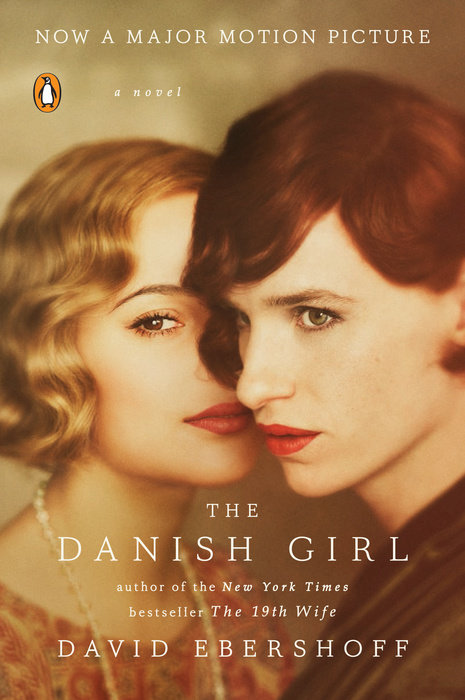
The Danish Girl by David Ebershoff
Ebershoff is executive editor and vice president of Penguin Random House, where he’s edited dozens of well-known books, including several Pulitzer Prize winners. He’s also written several three novels and a book of short stories. I loved The 19th Wife, a bestselling double narrative about the Mormon Church in the 19th century and today. Now I’m reading The Danish Girl, Ebershoff’s first novel, which is based on the true story of the first transgendered woman. The movie version, starring Eddie Remayne, will be released next month and I want to read the book first — I’m really enjoying it so far.
An Uncomplicated Life: A Father’s Memoir of His Exceptional Daughter by Paul Daugherty
Daugherty, career sports writer and father of an adult daughter with Down’s Syndrome, has written a wonderful book for any parent. Through the story of the first 25 years of his daughter Jillian’s life, Daugherty reminds us of the precious gifts our children are, “exceptional” or not. That sounds hokey, but the book isn’t. For my full review, click here.
Last Night’s Reading: Illustrated Encounters with Extraordinary Authors by Kate Gavino
The author, like me, loves to attend author readings. Unlike me, every time she goes to a reading she draws a portrait of the author and writes down her favorite quote. She’s been to more than 100 readings in the New York area, and she keeps a map of all the events, adding a pin every time she goes to a reading. Everything about this book, from the drawings to the hand-lettered quotes, is absolutely charming.
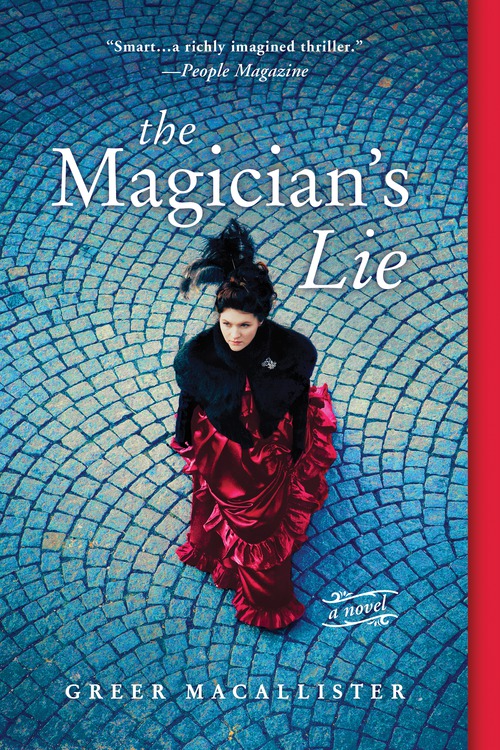
The Magician’s Lie by Greer Macallister
Macallister’s debut is a historical novel about a young, female magician (the “Amazing Arden”) at the turn of the 20th century, who is accused of murder. She is captured and interrogated by a country sheriff who has problems of his own, and during the course of one long night in a rural police station, we learn about the magician’s past. How did an aspiring dancer, born into a wealthy family, end up running a successful traveling magic show — and running for her life? It’s a terrific period piece, with a murder mystery and just a touch of the supernatural. If you enjoyed Water for Elephants, you’ll love this book.
When Books Went to War: The Stories That Helped Us Win World War II by Molly Guptill Manning
Between 1943 and 1947, the government distributed 120 million paperback books (called Armed Services Editions, or ASEs) to millions of United States servicemen. Special favorites were A Tree Grows inBrooklyn and The Great Gatsby. Manning’s stirring book illustrates the power these books had to combat Nazi propaganda, “soothe an aching heart, renew hope for the future, and provide a respite when there was no escape” and to “build a new literate middle class” after the war.
The Republic of Imagination: A Life in Books by Azar Nafisi
In this insightful follow-up to Reading Lolita in Tehran, Nafisi explores three seminal American novels — Huckleberry Finn, Babbitt, and The Heart is a Lonely Hunter. These novels, and others, “link us to our past, provide us with critical insight into the present, and enable us to envision our lives not just as they are but as they should be or might become.” Interwoven with Nafisi’s literary analysis is the story of her journey to become an American citizen. The book “is a priceless gift to readers who revel in literary fiction”, according to the ChicagoTribune. (Interestingly, the original subtitle of the book was America in Three Books.)
White Collar Girl by Renee Rosen (due November 3)
Rosen is carving out a nice niche for herself — historical page-turners set in Chicago. She’s written about Al Capone and organized crime (Dollface) and Marshall Field and the Gilded Age (What the Lady Wants); her new book, a paperback original, focuses on a young woman trying to break into journalism in the 1950s at the Chicago Tribune. (The newspaper column she writes is called “White Collar Girl”.) Like her other books, Rosen’s latest is full of well-known figures — from Mayor Daley to Mike Royko to Ernest Hemingway.
Belzhar by Meg Wolitzer
One of my favorite authors ventures into YA literature with this imaginative novel about a traumatized young girl who is sent to a boarding school for “emotionally fragile, highly intelligent teenagers.” After she and several other students are hand-picked for a special English class (based on Sylvia Plath and The Bell Jar), they find that writing in their journals enables them to re-experience life before their traumas occurred. I’m looking forward to talking about the book with our store’s YA book group.
What paperbacks are you planning on reading this fall?
That old September feeling, left over from school days, of summer passing, vacation nearly done, obligations gathering, books and football in the air … Another fall, another turned page: there was something of jubilee in that annual autumnal beginning, as if last year’s mistakes had been wiped clean by summer.
Wallace Stegner, Angle of Repose
Stegner eloquently phrased what I’ve always believed — September is the true beginning of the year. January is just another long, cold month of hibernation and diets. Fall is traditionally when the major publishers come out with their “big books”. According to the Boston Globe, “The fall book publishing season mirrors the movie industry’s Oscar-jockeying season. Publishers typically use the last few weeks running up to the holiday buying season to release their most prestigious, and commercially promising, new titles”.
Some of the books I’m looking forward to reading this fall are “prestigious” and some may be “commercially promising”, but those aren’t qualities that are important to me as a reader, or even as a bookseller. On the other hand, I don’t like to engage in reverse snobbery either — I don’t avoid a book just because it’s popular.
The 10 books on my list sound like what I’ll want to read this fall while curled up with a blanket on my favorite reading chair.
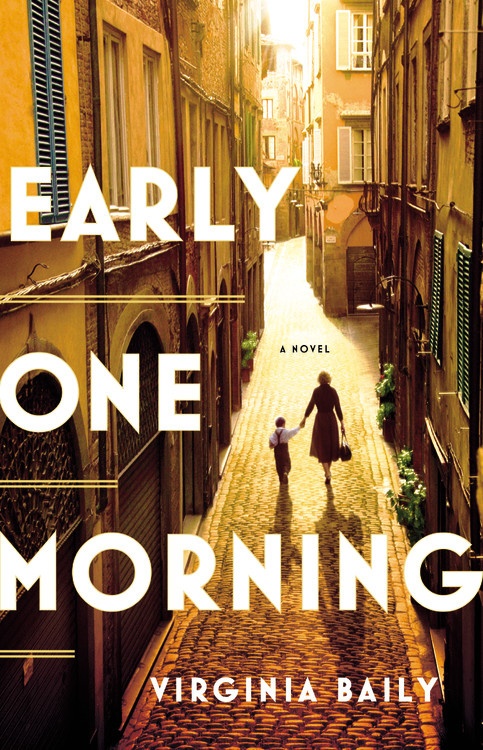
Early One Morning by Virginia Baily (due September 29)
Published in the U.K. earlier this year, Baily’s second novel tells the story of Chiara, a young woman who impulsively saves the life of a young Jewish boy, whom she names “Daniele”, during the Nazi occupation of Italy. Her decision reverberates a generation later, when a teenage girl contacts her, claiming to be Daniele’s daughter. The Guardian calls the book “highly original” noting that “The book works because it gives itself fully to its characters and their relationships, from which its ample plot spirals outwards with a confidently handled complexity and depth.”
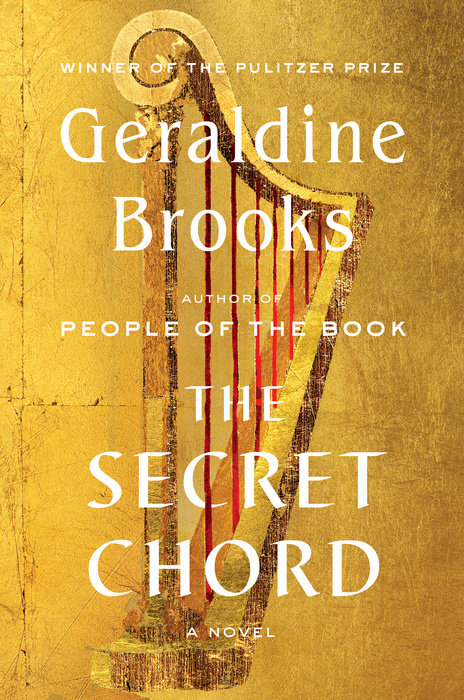
The Secret Chord by Geraldine Brooks (due October 6)
Brooks, who’s written four previous novels, including the Pulitzer Prize-winning March, is one of my favorite authors. TheSecret Chord imagines the life of the biblical King David. In a Publishers Weekly interview, Brooks explains her fascination with King David, describing his story as “encompassing most of human experience: there’s love and loss, triumph and despair, victory and defeat. ‘Everything happens to him,’ she says, pointing out that the biblical account is the ‘first piece of history writing that we have,’ predating Herodotus by 500 years.”
The Three Year Swim Club: The Untold Story of Maui’s Sugar Ditch Kids and Their Quest for Olympic Glory by Julie Checkoway (due October 27)
I know this probably isn’t another Boys in the Boat (what could be?), but I can’t resist an underdog sports story — and this one sounds terrific. The “Three-Year Swim Club” was a group of poor Japanese-American children who started their swimming careers training in irrigation ditches in the 1930s and later became world champions. Checkoway focuses on the team’s innovative and inspirational coach, Soichi Sakomoto, an unsung hero whose accomplishments have gone relatively unnoticed.
Fates and Furies by Lauren Groff (available now)
This is one of the big “buzz” books of the season, so I think I should have an opinion. The first section of the book, “Fates”, chronicles a marriage from the husband’s point of view of ; the second section, “Furies”, provides the wife’s version. I’m slightly worried that Fates and Furies is going to be too self-consciously literary for my taste, but we’ll see. Longlisted for the National Book Award.
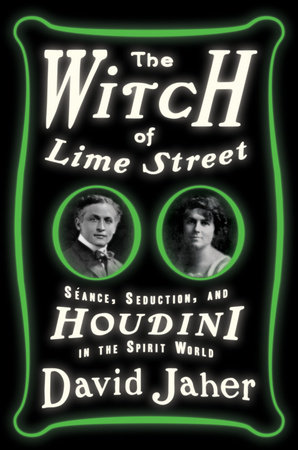
The Witch of Lime Street: Séance, Seduction, and Houdini in the Spirit World by David Jaher (due October 6)
I love narrative nonfiction about quirky topics! This account of the rivalry between Harry Houdini, crusader against charlatans and the spiritualism movement, and Margery Crandon, self-proclaimed spirit medium, is right up my alley.
Clementine: The Life of Mrs. Winston Churchill by Sonia Purnell (due October 27)
Clementine came to me on the recommendation of my friend and coworker Kathy, who always picks terrific nonfiction. Published earlier this year in the U.K. to coincide with the 75th anniversary of Winston Churchill becoming Prime Minister, The Independent says that Sonia Purnell’s “compellingly readable” biography of Churchill’s wife “brings her out from behind the shadow cast by the Great Man and argues for her historical importance.”
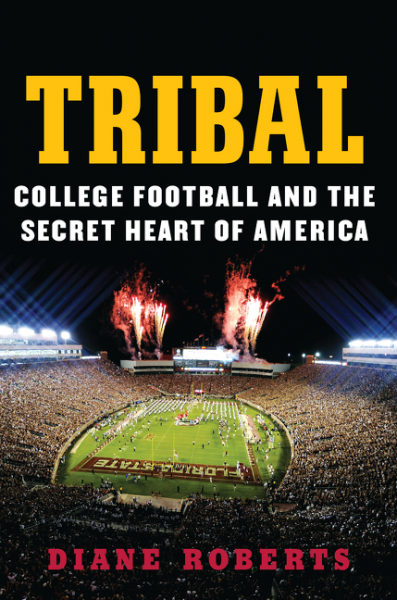
Tribal: College Football and the Secret Heart of America by Diane Roberts (due October 27)
I’m not crazy about football, but I am intrigued by the sport as an American cultural phenomenon. (The best book I’ve read on the subject — so far — is Rammer Jammer Yellow Hammer: A Road Trip Into the Heart of Fan Mania, by Warren St. John.) Roberts, an English professor at Florida State, says she’s a “conflicted” football fan:”I’m like those people who aren’t sure they believe in the Virgin Birth and the literal Resurrection but still show up for church because they like the music and take solace in the liturgy.”
The Witches: Salem, 1692 by Stacy Schiff (due October 27)
I’m absolutely fascinated by the Salem Witch Trials, and for good reason — I was born in Salem, along with many of my ancestors. Pulitzer Prize winner Schiff says that we have a “completely skewed idea of what happened” in Salem; “it’s something we all know about, but we actually are relatively misinformed.”
The Gap of Time by Jeanette Winterson (due October 6)
First in the new Hogarth Shakespeare series, The Gap of Time is a “cover” version of The Winter’s Tale. The publisher’s website explains that Hogarth has commissioned well-known authors “to write prose ‘retellings’ of Shakespeare’s plays for the modern reader.” These new versions will be true to the spirit of the original dramas and their popular appeal, while giving authors an exciting opportunity to reinvent these seminal works of English literature.” What a great idea!
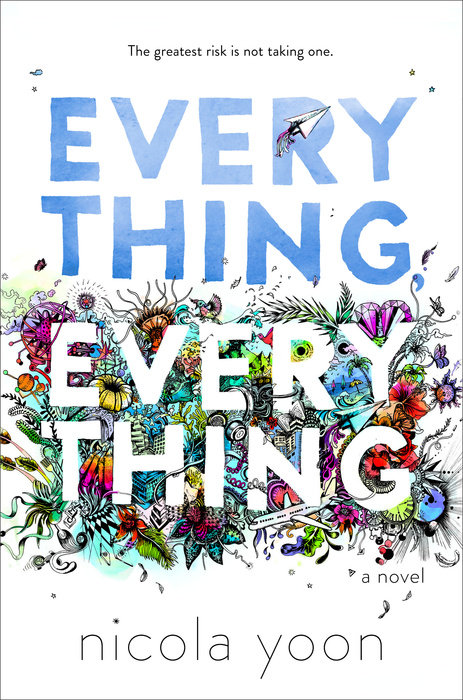
Everything Everything by Nicola Yoon (available now)
Ann Kingman recommended this YA novel on my favorite podcast, Books on the Nightstand: “I don’t want to say too much about it, because you really should go into this book without knowing too much about it. All I’ll say is that the main character is a teenage girl who suffers from debilitating allergies that require her to stay inside of her home.” Ann hasn’t steered me wrong yet, so I’m going to add it to my list.
What makes a good book club book? I discussed this at length in another post (How to Choose Great Book Club Books) over a year ago, but on rereading that post I realize I didn’t clearly state one of the most important criteria: the best book club books are the ones your club is enthusiastic about reading. Yes, one of the best things about being part of a book club is reading books you wouldn’t ordinarily pick up — but that can be one of the worst things too. I would probably never have read Station Eleven — which is one of my all-time favorites — if it hadn’t been a book club selection, but I also would never have suffered through Interview With a Vampire, and I’m never getting back the hours of my life I wasted on Anne Rice. (In fairness to the long-defunct book club that picked Interview With a Vampire, I should mention that the club also selected Crossing to Safety, which remains one of my top recommendations for book groups.)
So, the first step is choosing books that the group looks forward to reading, rather than books that your members view as homework assignments. Keep in mind that you can’t please everyone, and almost every book club has at least one naysayer. The next challenge is making sure that your selections will inspire the kinds of discussions your book club is interested in having. Groups of friends (“private” clubs) often are more likely to talk about personal issues, while groups that meet in libraries, bookstores, community centers, etc. (“public” clubs) are more likely to concentrate on literary criticism. And although almost any book, in the right hands, can stimulate conversation, some books that are enormously fun to read are clunkers when it comes to discussion. Some books are too polarizing and may provoke arguments rather than civil discourse.
Here are 10 recent books that I think would get your book club talking.
Something Must Be Done About Prince Edward County by Kristen Green
Veteran journalist Green chronicles the years when Prince Edward County, Virginia closed its public schools rather than obey the federal mandate to desegregate — and tells the story of her family’s part in this shameful chapter of history. Something to talk about: Green feels ashamed of her family’s actions both before she was born and during her childhood. Why do people feel guilty for past actions of family members?
Did You Ever Have a Family by Bill Clegg
One of four American novels longlisted for this year’s Man Booker Prize, this gorgeously written novel will keep you up late at night and it will break your heart. Something to talk about: The book was reviewed twice in the New York Times — in the Sunday book review section and then on Monday, by a different reviewer. The first review was positive and respectful, calling the novel “masterly” and “thoughtful”; the second was not just negative, but unkind and snarky: “Critics have arranged warm reviews around it like tea candles . . . But the pocket where I generally put the nice things I want to say about a book is, in this instance, pretty empty.” Why do you think two reviews would vary to that degree? And is there ever any reason for a mean-spirited review?
Still Time by Jean Hegland
John Wilson, an English professor with Alzheimer’s disease, finds that his extensive knowledge and understanding of Shakespeare helps him make sense of an increasingly bewildering world. Like Lisa Genova’s Still Alice, Still Time is about a professor suffering from dementia — but it’s an entirely different, and I’d argue, a more subtle and thought-provoking novel. Something to talk about: John named his estranged daughter Miranda, after the heroine of one of his favorite Shakespeare plays. How do the themes of forgiveness and reconciliation in The Tempest connect to John’s efforts to make amends at the end of his life?
The Painter by Peter Heller
If these first lines don’t grab you, I don’t know what will: “I never imagined I would shoot a man. Or be a father. Or live so far from the sea.” Jim Stegner is a painter of “outsider art” and fly fisherman with a propensity for violence who gets himself involved with some very bad people. Is it any coincidence that this character and Wallace Stegner (“the dean of Western writers”) share a last name? Something to talk about: What caused Jim to become a violent man? What causes anyone to become violent?
Hold Still by Sally Mann
One of the best memoirs I’ve ever read — it doesn’t seem fair that Sally Mann is a talented writer and photographer! This is a book that must be read in print form — the photographs are integral to the story, and an e-book doesn’t do them justice. And if you discuss this book, someone must bring a book of Mann’s photographs to the meeting. Something to talk about: What is art? (Now there’s a question you can never get tired of!)
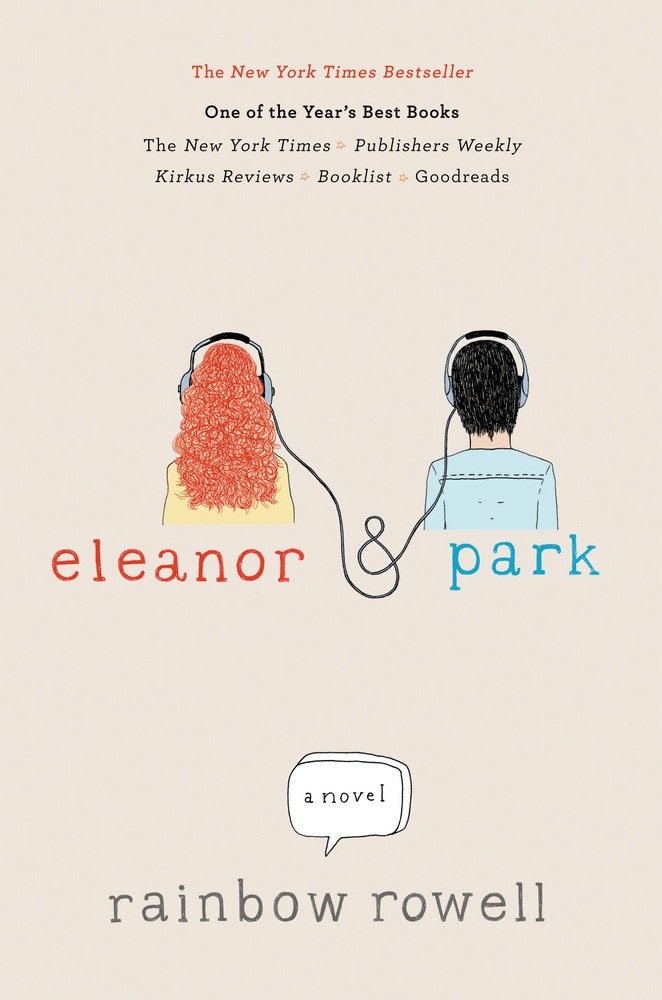
Eleanor & Park by Rainbow Rowell
What a jewel of a book! It’s classified as YA, but the story of two lonely teenagers who become friends and later fall in love will appeal to anyone who has a heart. It’s hard to believe that Rowell’s characters aren’t real people; their voices are original and true. It’s the kind of book you want to buy multiple copies of and give to everyone you know. Something to talk about: What makes this novel a YA novel? Yes, it’s told from the perspective of two teenagers — but so are many adult books.
The Secret Wisdom of the Earth by Christopher Scott
Following a family tragedy, 14-year-old Kevin is sent to spend the summer with his wise veterinarian grandfather in Medgar, Kentucky. Pops, whose life has brought him wisdom and an unwavering moral compass, will remind readers of Atticus Finch. Medgar is a depressed coal town facing a massive mountaintop removal operation that is blowing up the hills, backfilling the hollows — and deeply dividing the townspeople. The violent events of that summer will begin Kevin’s transformation from a wounded boy into an adult. Read this one instead of Go Set a Watchman! Something to talk about: Each of the short chapters has a poetic title that was obviously chosen with care: “The Occasional Shifting of Boot Sole on Pine”; “The Price of Future Memories”; “Under the Protection of Red Cloud”. What does this add to the novel? Why do some authors number their chapters instead of giving them titles?
My Salinger Year by Joanna Rakoff
A delightful memoir about Rakoff’s stint as an assistant to J.D. Salinger’s literary agent, this book is, according to the Chicago Tribune, “a beautifully written tribute to the way things were at the edge of the digital revolution, and also to the evergreen power of literature to guide us through all of life’s transitions.” The book provides plenty of fodder for discussion on its own, but it would be fun to read in conjunction with a Salinger book or short story. It’s perfect for fans of Marjorie Hart’s Summer at Tiffany. Something to talk about: What was your first “real” job, and what part did it play in your eventual career?
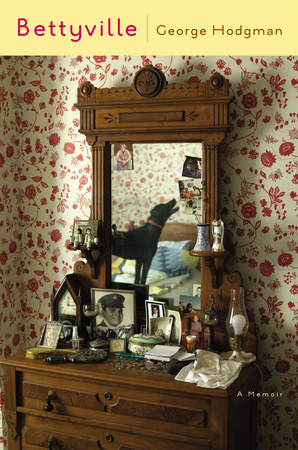
Bettyville by George Hodgman
When George Hodgman lost his editorial job in New York, he returned to his hometown of Paris, Missouri (“population 1,246 and falling”) to care for his 91-year-old mother. Hodgman’s honest and affecting portrait of their relationship moved me both to laughter and tears. This memoir is a terrific companion to Atul Gawande’s Being Mortal — which I believe everyone should read, but may be too painful and intense to talk about in a group setting. Ann Patchett has this to say about Being Mortal: “I’m all for people having different tastes, liking different books, but everyone needs to read this book because at some point everyone is going to die, and it’s possible that someone we love is going to die before us.” Something to talk about: George, of course, does a lot for Betty — he moves in with her and becomes her caretaker. But what does Betty do for George?
The Best American Short Stories of the Century edited by John Updike and Katrina Kenison
I absolutely love short stories, and I can’t understand why they aren’t more popular — especially with book groups. They’re perfect for all those people who say they don’t have time to read. (For more on my thoughts on short stories, read 5 Reasons to Read Short Stories.) I recently joined a group that discusses short stories, and we spent a fascinating 90 minutes talking about “Bright and Morning Star”, written by Richard Wright in 1939. The group spends several months discussing stories from a particular decade in the 20th century. A group could choose any anthology of short stories or essays; the Best AmericanSeries (“the premier annual showcase for the country’s finest short fiction and nonfiction”), published by Mariner Books, will come out in early October. There are collections of travel writing, science and nature writing, sports writing, and more.
For further reading on choosing “discussable” books, please check out Is Your Book Club in a Rut? Here Are 10 Helpful Hints, by a librarian who’s experienced at working with book groups. “Steer clear of plot driven novels,” she advises, and I couldn’t agree more. The Girl on the Train is a terrific page-turner, but I’m not sure it would lend itself to an in-depth discussion. It would be fun to serve gin and tonics in honor of Rachel, although I don’t think the canned variety is available in the United States.
I’d love to know what your book club is reading this fall — and if you discussed any terrific books over the summer. I’m planning on compiling reading lists for different kinds of book clubs, and welcome your suggestions.
It’s WWW Wednesday, when I answer three questions: What are you currently reading? What did you recently finish reading? What do you plan to read next?
Although it’s officially summer, I have yet to enjoy that quintessential summer pleasure: reading at the beach or the pool. It’s been cool and wet, so I’ve logged quite a few blissful reading hours on my screened porch, listening to the rain on the roof. Who needs those damaging UV rays, anyway, along with screaming children and biting flies?
I’m reading, as usual, several books at once. Yes, I understand it’s not really physically possible to read more than one book at a time. I like to have a novel, a nonfiction book, and an e-book (either fiction of nonfiction) going. A recent topic on one of my favorite podcasts, Books on the Nightstand, was how to squeeze more reading into the day. A suggestion, which I think is terrific, was to read nonfiction in the morning and fiction in the evening. Another idea — even better — is to change the screen saver on your phone to say “Read a book instead”. (Click here for a great screen saver you can download.)
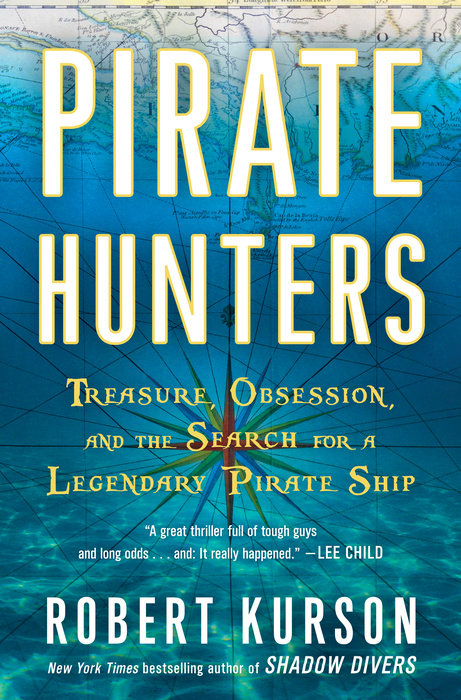
I just started reading Robert Kurson’s Pirate Hunters:Treasure, Obsession, and the Search for a Legendary Pirate Ship, the follow-up to Kurson’s terrific Shadow Divers (2004) — and I’m already hooked. Shadow Divers is one of my all-time favorite narrative nonfiction books; Kurson’s second book, Crashing Through, about a man who regains his sight after nearly a lifetime of blindness is a must-read as well. My friend and colleague Diane recommended Pirate Hunters to me, noting that one of the daring wreck divers in search of famous pirate Joseph Bannister’s ship. Golden Fleece, is John Chatterton — hero of Shadow Divers. The book is not as much about the actual diving as it is about the history of piracy and how Chatterton and his partner, John Mattera, needed to understand Bannister’s psychology in order to find his ship.
My current novel is Church of Marvels, by Leslie Parry, historical fiction set in turn-of-the-century New York City — mostly Coney Island and the Lower East Side. The stories of an abandoned infant, sideshow performers, a beautiful mute, and a young woman trapped in a mental hospital all converge (I’m not sure how, yet!) in this vivid and imaginative debut novel. A Chicago resident, debut novelist Parry recently appeared at the Printers Row Lit Fest with Matthew Thomas (We Are Not Ourselves). I wish I had been able to go — but I’ll be interviewing Parry later this summer.
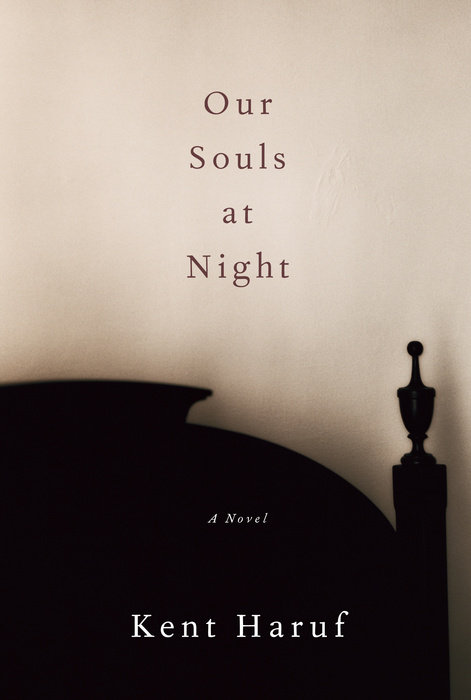
I just finished two wonderful novels — Language Arts, by Stephanie Kallos, and Our Souls at Night, by Kent Haruf. They are two very different books — Language Arts is over 400 pages, with a complicated plot, and Our Souls at Night (described by several reviewers as “spare”), is a short novel, focusing on just two characters.
Our Souls at Night is a beautiful and sad story, made sadder by the fact that Kent Haruf died shortly after completing his final edits on the novel. Haruf’s books are all set in the fictional town of Holt, Colorado and focus on everyday people and their need for connection with each other. The New York Times says: “His great subject was the struggle of decency against small-mindedness, and his rare gift was to make sheer decency a moving subject.” Addie Moore and Louis Waters, both widowed and in their seventies, are long-time neighbors who seek respite from loneliness in an unusual way: through a platonic friendship that includes sleeping in the same bed. Addie says:
I’m talking about getting through the night. And lying warm in bed, companionably. Lying down in bed together and you staying the night. The nights are the worst. Don’t you think?
Kent Haruf gives more insight into the lives and longings of his characters in less than 200 pages than many authors do in books double that length. I read the book in one afternoon and had to slow myself down so I could appreciate the plain yet poetic language. My book group will be discussing Our Souls at Night next month, and I’m disappointed to miss the meeting.
Language Arts explores many of the same themes as Our Souls at Night, especially the themes of loss and human connection. How do you connect with someone you love who doesn’t have language? Charles Marlow, an English teacher and a lover of the written word, is the divorced father of an adult autistic son. His daughter has just left for college, and Charles is desperately lonely. He reflects on his unhappy childhood, particularly his traumatic fourth-grade year; his broken marriage, and his relationship with his son, Cody:
Language left him gradually, a bit at a time. One would expect words to depart predictably, in reverse order — the way a row of knitting disappears, stitch by stitch, when the strand of working yarn is tugged off the needle — but that was not to be . . . God was the last holdout . . .
I absolutely loved this book, but I don’t want to say too much about it because the plot is full of surprising twists. As a review in Paste magazine says, “Kallos can spin a reveal like nobody’s business. At her best, she compels you to recalibrate everything you thought you knew about the book.” The review goes on to point out that while Kallos is a talented storyteller, her real gift is her deep understanding of her characters:
One thing that separates a good novel from a great one is when empathy accompanies insight. The novels of Stephanie Kallos are filled with the sort of empathy that elevates not just the books but their readers. They convey the overarching sense that repairing the world is a real possibility, however remote—more than one absorbing read away, to be sure, but certainly closer at the last line than the first.
What’s next? I’m looking forward to reading The Buried Giant, by Kazuo Ishiguro. I don’t know why I haven’t read it yet — it’s been sitting on my shelf for quite some time, several people whose opinions I trust have raved about it, and I’ve loved Ishiguro’s other books. After that . . . I can’t decide. Too many choices!
 The Guest Room by Chris Bohjalian (1/5)
 The Sound of Gravel by Ruth Wariner (1/5)
 My Name is Lucy Barton by Elizabeth Strout (1/12)
 The Swans of Fifth Avenue by Melanie Benjamin (1/26)
 Inside the O’Briens by Lisa Genova (1/5)
 The Secret Wisdom of the Earth by Christopher Scotton (1/5)
 In North America, today is the winter solstice, which means it’s the shortest day of the year. Here in Chicago, that means we will have only 9 hours and 7 minutes of daylight today. I plan to take full advantage of the dark and dreary weather, spending the longest evening of the year curled up with a good book — The Mare, by Mary Gaitskill. I’m loving this book, and if I were making a list of my favorite books of 2015, it would be a contender.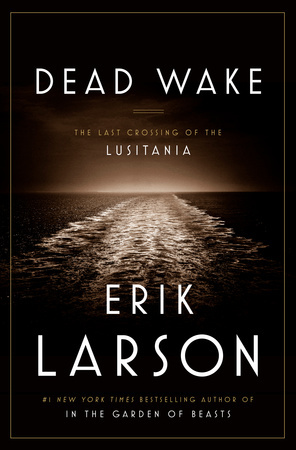


 Anne H. (our Macmillan rep) had a hard time deciding — she said, “This is such a hard question! It makes me think I need to start keeping a list of books I read.” She settled on Jenny Lawson’s irreverent memoir, Furiously Happy: A Funny Book About Horrible Things, and Paul Murray’s satirical novel, The Mark and the Void. (Can you tell Anne has a good sense of humor?)

 This year, I’m taking a positive approach. Instead of telling you which books are bad gifts, I’ll suggest a few that might be good gifts. I say “might” because, of course, you’re taking a chance. Matching a book with a reader is mysterious alchemy — which brings me to another point. If you’re thinking of giving a book to someone who’s not a reader, be very careful. Make sure it’s a useful book rather than a reading book. Your interior designer sister, who loves shelter magazines, would probably appreciate Sharon Santoni’s lovely book, My Stylish French Girlfriends. Your law student brother, who’s buried in textbooks but enjoys cooking, might like the new Jacques Pepin cookbook, Heart and Soul in the Kitchen.
 Every major publication, print and digital, publishes a list of the “best” books of the year. The Wall Street Journal creates a master list by compiling books cited on 12 year-end lists:


 My Kitchen Year by Ruth Reichl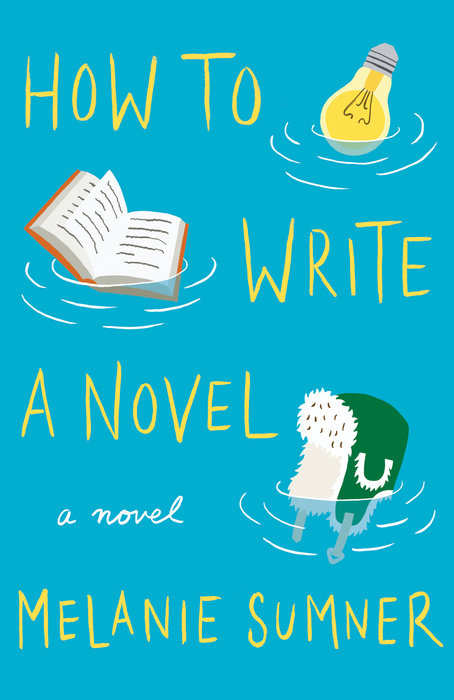

 Fiction and nonfiction are not so easily divided. Fiction may not be real, but it’s true; it goes beyond the garland of facts to get to emotional and psychological truths.
 mily, wrote an
  Fiction: A Step Toward Falling by Cammie McGovern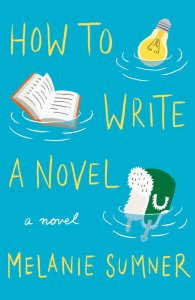

 What was it like to live through Hurricane Katrina?
 You can tell a more incredible over-the-top story if you use a nonfiction form.
 The Light of the World by Elizabeth Alexander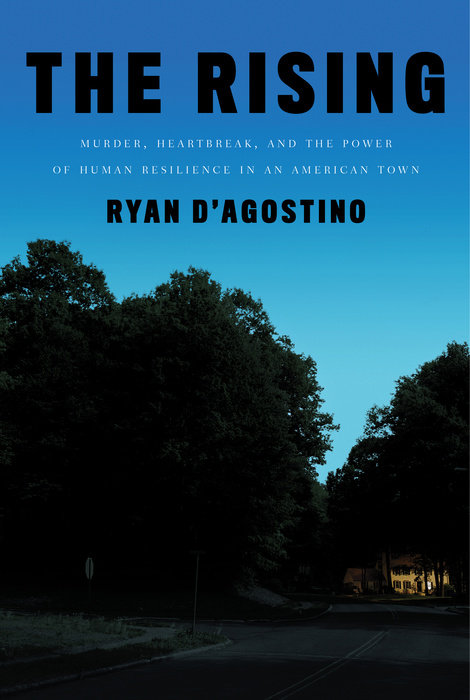

 Between You and Me: Confessions of a Comma Queen by Mary Norris
















 Books on the Table